
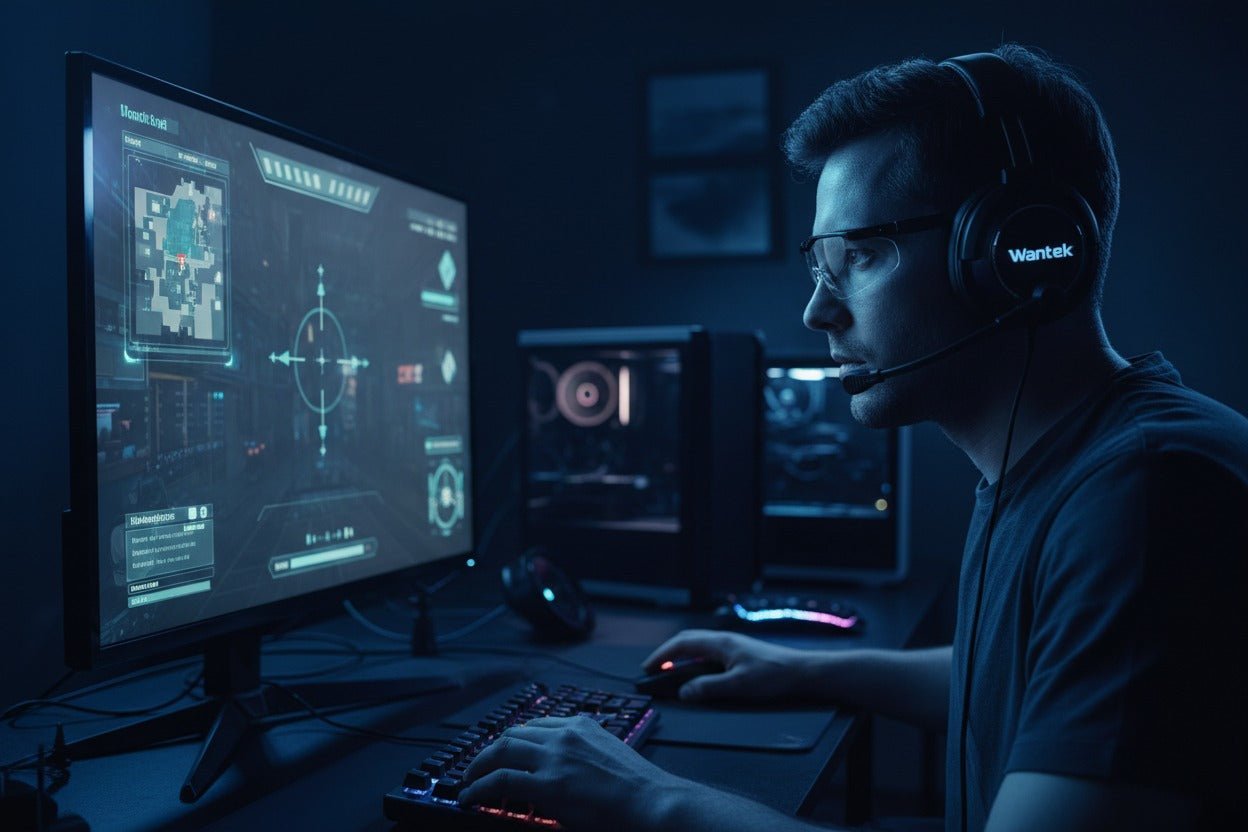
Te acomodas en tu lugar favorito del sofá. El mando se siente familiar, una extensión natural de tu intención. Inicias tu juego, la pantalla cobra vida con promesas. Pero falta algo. El audio sale por los altavoces del televisor, plano y sin dirección. Se filtra a otras habitaciones, molestando a los compañeros de casa. Te falla en el momento crítico. ¿Ese leve crujido en la maleza digital? Ahogado. ¿La indicación direccional precisa de la recarga de un enemigo? Perdida. Este es el lamento universal del jugador. Señala una evolución necesaria. Debemos hablar de auriculares para PS4. Esta conversación trasciende la compra de accesorios. Se trata de reconstruir fundamentalmente tu entorno interactivo. La herramienta de audio correcta no solo amplifica el sonido. Construye mundos, transmite datos tácticos cruciales y forja un santuario privado de concentración. El mercado, sin embargo, es un paisaje cacofónico de afirmaciones y características. Mi objetivo es proporcionar un mapa claro y detallado. Naveguemos juntos por este terreno, con precisión y visión práctica.
El argumento innegociable a favor del audio dedicado

Primero debemos disipar una idea errónea común. Los auriculares de consumidor estándar, los que vienen con los teléfonos, son profundamente inadecuados para los juegos modernos. Son utilitarios para podcasts o música casual. Para jugar, son un inconveniente. Considera el audio del juego no como un simple ruido, sino como un lenguaje denso y en capas. Este lenguaje comunica la atmósfera narrativa, el tono emocional y, lo que es más importante, la inteligencia táctica vital. La firma espacial de los pasos de un oponente, el clic-clac metálico específico de un arma que se está preparando a tu derecha, el rugido distante y resonante de un monstruo jefe desde una caverna detrás de ti: esto es información. Los auriculares de alta fidelidad para PS4 son tu traductor para esta corriente de información. Analizan el código de audio con claridad y precisión posicional.
La inmersión es otro pilar. Intenta experimentar una obra maestra basada en la historia como The Last of Us Parte II a través de los altavoces del televisor. La partitura matizada, los susurros ambientales de una ciudad en descomposición, las aterradoras vocalizaciones de los Infectados, todo se minimiza. Se convierten en elementos de fondo en lugar de experiencias viscerales y envolventes. Unos auriculares de calidad construyen una burbuja auditiva. Te sellan dentro de la realidad del juego, silenciando las distracciones de la tuya. El perro ladrando al lado, el zumbido del lavavajillas, la charla de otra habitación, todo se vuelve irrelevante. Estás dentro del juego.
Luego, está la comunicación. El micrófono es tu conducto vocal para aliados y adversarios. Un micrófono deficiente transforma tus llamadas estratégicas en ruido ininteligible y frustrante. Es la diferencia entre un empuje coordinado y triunfante y una derrota caótica que provoca el silencio. Tu solicitud de reanimación debe escucharse claramente. No debe parecer una transmisión de un submarino atrapado en una tormenta. Para cualquiera que juegue en modo multijugador, este componente es tan vital como los propios altavoces. Tu escuadrón depende de ello.
La dicotomía fundamental: fidelidad con cable versus libertad inalámbrica
Tu primer gran punto de decisión se manifiesta aquí: el cable. Esta elección entre configuraciones con cable e inalámbricas dicta tu relación con la comodidad, el rendimiento y la inversión. Es un cálculo personal de prioridades.
El paradigma con cable: fiabilidad inquebrantable
La conectividad con cable representa el estándar atemporal. Es elegantemente simple. Insertas un conector de 3,5 mm en tu mando DualShock 4. El circuito se completa. El audio instantáneo y sin comprimir fluye directamente desde la consola, a través del mando, hasta tus oídos. La principal ventaja es la latencia cero. No hay retardo de procesamiento, ni retardo de transmisión inalámbrica. El sonido que escuchas está perfectamente sincronizado con la acción en pantalla. Para géneros competitivos ( shooters en primera persona, juegos de lucha, títulos de ritmo), esta alineación perfecta al milisegundo es sacrosanta. Los puristas y los atletas de esports residen abrumadoramente en este campo. Además, los auriculares con cable para PS4 no requieren batería interna. Nunca experimentarás la ansiedad de un agotamiento de energía a mitad de la sesión. A menudo, aunque no siempre, son más asequibles de entrada. La ruta de la señal de audio es pura y directa.
Las limitaciones son físicas. Estás atado. El cable, por muy robusto que sea, presenta un punto de posible fallo. Puede engancharse en las patas de la mesa, ser arrastrado por una mascota que pasa o simplemente limitar tu rango de movimiento. Inclinarse hacia atrás para coger una bebida se convierte en una maniobra consciente. Además, tu audio está encadenado a la duración de la batería de tu mando. Cuando el mando se agota, tu sonido desaparece. Sin embargo, por su rendimiento puro y directo y la ausencia de gestión de energía, las soluciones con cable siguen siendo formidables. Algunos de los mejores auriculares para PS4 en cuanto a calidad de audio pura son, de hecho, modelos con cable.
La revolución inalámbrica: movimiento liberador
Este dominio es donde la conveniencia moderna realmente brilla. Los auriculares inalámbricos para PS4 funcionan a través de una frecuencia de radio dedicada, no del Bluetooth estándar. El protocolo Bluetooth nativo de la PS4 está reservado para los mandos y no es compatible con el audio estéreo de alta calidad y baja latencia para juegos. La solución es un dongle transceptor USB. Este pequeño dispositivo se conecta a la consola y establece un enlace inalámbrico propietario y estable. La libertad que esto proporciona es transformadora. Puedes levantarte, pasear por la habitación durante una pantalla de carga, buscar un aperitivo en la cocina o gesticular enfáticamente sin enredos. Despeja tu espacio físico, eliminando una maraña de cables de tu centro de entretenimiento.
Las desventajas son logísticas. Debes gestionar la duración de la batería. Examina esta especificación diligentemente. Considero que un mínimo de 15 horas por carga es aceptable, pero 20 horas o más es el objetivo ideal. También hay una latencia teórica introducida por el procesamiento de la señal digital inalámbrica. Sin embargo, para la gran mayoría de los jugadores y tipos de juegos, esta latencia es imperceptible con los conjuntos modernos de calidad. Estás cambiando una porción microscópica de precisión absoluta por una ganancia masiva en libertad física. También incorporas los auriculares a tu ecosistema de carga. Sin embargo, para el jugador de salón que valora una configuración limpia y un movimiento sin ataduras, los auriculares inalámbricos para PS4 son una propuesta convincente. La comodidad es profundamente adictiva.
Deconstruyendo la hoja de especificaciones: características esenciales a evaluar
El lenguaje de marketing a menudo oscurece el valor real. Mira más allá de los logotipos llamativos y los diseños estéticos agresivos. Concéntrate en estos atributos centrales que definen el rendimiento. Separan el equipo adecuado de las herramientas excepcionales.
- Carácter sonoro y escenario sonoro: La calidad de audio no es monolítica. Es un espectro. Necesitas un controlador equilibrado capaz de reproducir todo el rango de frecuencias con integridad. Los graves potentes y retumbantes para explosiones y rugidos de motores son emocionantes. Pero no deben enturbiar el rango medio, donde suelen residir los diálogos cruciales y los sonidos de las armas. Los agudos deben ser nítidos sin volverse penetrantes o sibilantes. Luego, tenemos el escenario sonoro. Este es un término a menudo malinterpretado. Describe la capacidad de los auriculares para crear una imagen acústica tridimensional. Un escenario sonoro amplio y preciso te permite identificar intuitivamente el origen y la distancia de los sonidos. Es la diferencia entre escuchar a un enemigo y localizarlo. El procesamiento de sonido envolvente virtual puede mejorar este efecto, pero es un software que manipula una base estéreo. La calidad inherente de los transductores de los auriculares es primordial.
- Fidelidad del micrófono: Si te comunicas, esto es innegociable. Busca un micrófono con capacidades direccionales y de cancelación de ruido. Debe centrarse en la vibración de tus cuerdas vocales mientras rechaza el caos ambiental: el golpeteo de los teclados mecánicos, la música de fondo o las perturbaciones domésticas. Mi característica premium innegociable personal es un brazo de micrófono abatible o retráctil con función de silencio. El acto físico de levantar el micrófono para hablar y bajarlo para silenciar es intuitivo e infalible. Es un ritual táctil y satisfactorio, el equivalente digital a cerrar una puerta para tener privacidad.
- Ergonomía e integridad estructural: Esto es profundamente personal. Es posible que uses este dispositivo durante sesiones prolongadas e ininterrumpidas. Una construcción ligera es una bendición. Las orejeras deben emplear materiales suaves y transpirables; la espuma viscoelástica revestida de velour o cuero sintético es una solución común y eficaz. La diadema debe ofrecer un amplio ajuste sin crear una "fuerza de sujeción" excesiva. Un agarre de tipo tornillo de banco provoca dolores de cabeza. Un ajuste demasiado flojo sacrifica la estabilidad y el sellado sonoro. La calidad de construcción debe inspirar confianza. Los crujidos, el plástico endeble y las bisagras frágiles son signos de obsolescencia programada. Esta es una inversión en tu disfrute diario. Debe sentirse como tal.
- Autonomía (inalámbricos): Como se señaló, para los auriculares inalámbricos para PS4, la duración de la batería es una métrica principal. Quince horas es un punto de partida. Veinte o más horas brindan tranquilidad. Algunos modelos avanzados ofrecen capacidades de carga rápida: una conexión de 15 minutos que produce tres horas de juego. Una característica crítica y a menudo pasada por alto es una opción de "modo con cable". Esto le permite usar los auriculares de forma pasiva con un cable de audio cuando la batería está completamente agotada. Es una red de seguridad esencial.
- Esquema de integración y control: La compatibilidad debe ser perfecta. Los controles en los auriculares son una mejora monumental en la calidad de vida. Los diales de volumen dedicados y, lo que es crucial, un dial de equilibrio entre el audio del chat y del juego son indispensables. La capacidad de bajar instantáneamente los efectos de juego atronadores para escuchar el susurro de un compañero de equipo, o de reducir el volumen del chat para concentrarse, sin tener que navegar por los menús de la consola, es una característica que usarás constantemente. Pone el control de tu mezcla de audio al alcance de tus dedos.
Una taxonomía de soluciones de audio: Identificando tu tribu
No todos los auriculares para PS4 sirven al mismo propósito. Generalmente se estratifican en categorías distintas, cada una con un enfoque filosófico de la experiencia de juego.
Los auriculares para juegos dedicados: Esta es la solución integrada y diseñada específicamente. Marcas como SteelSeries, Astro y Turtle Beach dominan este espacio. Estos dispositivos están concebidos desde cero para el entretenimiento interactivo. Combinan transductores de audio sintonizados, un micrófono dedicado con calidad de transmisión y características centradas en el jugador como controles en el oído y, a menudo, iluminación estética. Son el epítome de la simplicidad plug-and-play. Para el jugador que busca una herramienta única y optimizada que no requiera ensamblaje ni componentes adicionales, unos auriculares para juegos premium pueden ser fácilmente los mejores auriculares para PS4. Hablan el lenguaje del audio de los juegos de forma nativa.
El híbrido audiófilo: auriculares + micrófono desmontable: Este es el camino del conocedor del sonido. Implica la compra de un par de auriculares de gama alta de compañías de audio veneradas como Sennheiser, Beyerdynamic o Audio-Technica. Estos auriculares están típicamente diseñados para la escucha crítica de música y la producción de audio. Ofrecen una claridad, recuperación de detalles y equilibrio tonal excepcionales. Luego los aumentas con un micrófono separado de alta calidad. El Antlion ModMic es una solución adhesiva popular, o puedes usar un micrófono USB de escritorio. Esta combinación con frecuencia produce la mayor fidelidad de audio y claridad de micrófono posibles. La desventaja es la complejidad: más cables, controles de volumen separados y la falta de comodidad integrada. Es para el individuo que prioriza la pureza acústica por encima de todo.
El contendiente inalámbrico generalista: Esta categoría incluye los auriculares inalámbricos de consumo general que mantienen la compatibilidad con PS4 a través de un dongle USB. Los propios auriculares Pulse 3D de Sony, diseñados para PS5 pero totalmente funcionales en PS4, son un excelente ejemplo. Ciertos modelos de Bose, Jabra u otros también pueden funcionar. Sus puntos fuertes a menudo residen en una comodidad suprema durante todo el día, un excelente rendimiento para la música y el consumo de medios, y una sofisticada cancelación de ruido. Las posibles debilidades son específicas de los juegos: el micrófono puede estar optimizado para llamadas telefónicas en lugar de chat de juegos, y con frecuencia carecen de controles discretos de equilibrio de juego/chat. Representan una excelente opción híbrida si tus auriculares deben cumplir una doble función para los viajes diarios, las llamadas de trabajo y los juegos de ocio.
Contextualizando la elección: Personas y aspectos prácticos
He habitado varias de estas categorías yo mismo. Mi viaje comenzó con unos auriculares con cable de nivel básico. Funcionaban, pero el audio estaba comprimido, el micrófono era metálico. Más tarde invertí en un conjunto inalámbrico premium con una estación de acoplamiento. La liberación fue profunda. También aprendí, por puro pánico, a respetar los protocolos de gestión de la batería. Hay un miedo único y frío asociado con el sonido de "batería baja" durante el encuentro final de una incursión. Es una experiencia formativa.
Conceptualicemos a dos jugadores hipotéticos, arquetipos de nuestra comunidad.
- Casey es un especialista en tiradores tácticos. Rainbow Six Siege y Escape from Tarkov son sus principales escenarios. Para Casey, la inteligencia auditiva es su principal entrada sensorial. El sonido es un radar. El acimut preciso de un paso, la sutil diferencia entre una barricada colocada o rota, son puntos de datos de vida o muerte. Para Casey, unos auriculares con cable, ligeros, con un escenario sonoro excepcionalmente amplio y preciso, latencia mínima y un micrófono claro y con cancelación de ruido son casi con toda seguridad los mejores auriculares para PS4. El cable es un sacrificio trivial para una ventaja competitiva decisiva.
- Jordan es un buscador de inmersión y un jugador social. Pasa su tiempo en vastos juegos de rol de mundo abierto como Cyberpunk 2077 y aventuras cooperativas con amigos. Jordan valora los graves profundos y cinematográficos para las bandas sonoras grandiosas y las escenas explosivas. Juega durante sesiones prolongadas y relajadas y detesta el desorden de cables en el suelo de su sala de estar. Para Jordan, unos auriculares inalámbricos para PS4 sumamente cómodos y de larga duración, con un perfil de audio rico y un micrófono fiable con función de silencio, son el compañero ideal. La comodidad y la inmersión atmosférica son las prioridades reinantes.
La definición de "mejor" no es estática. Es un reflejo del hábito personal, la preferencia de género y el estilo de vida. Tu perfil de juego dicta tu perfil de audio ideal.

Optimización y consideraciones finales
Después de la compra, la configuración suele ser intuitiva. Los auriculares con cable se conectan directamente al DualShock 4. Los modelos inalámbricos requieren que insertes el dongle USB en un puerto disponible de tu PS4, enciendas los auriculares y permitas que se emparejen. La configuración real ocurre dentro del sistema operativo de la consola. Navega a Ajustes > Dispositivos > Dispositivos de audio. Este menú es tu centro de control. Los ajustes clave incluyen:
- Salida a auriculares: Selecciona "Audio de chat" si solo quieres escuchar la comunicación de voz a través de los auriculares (con el audio del juego desde los altavoces del televisor). Elige "Todo el audio" para una experiencia completa e inmersiva; esta es la configuración recomendada para la mayoría.
- Nivel y monitorización del micrófono: Ajusta la sensibilidad de entrada de tu micrófono. Habilita "Monitorizar nivel del micrófono" para escuchar tu propia voz en los auriculares. Esta función de efecto local evita que grites inconscientemente.
Un último y profundamente humano consejo: prioriza la comodidad física. Las especificaciones son cuantitativas, pero la sensación en tu cabeza es cualitativa. Si es posible, prueba los modelos en una tienda. Lee reseñas de usuarios que se centren en la durabilidad a largo plazo. Tu dispositivo de audio perfecto debería desaparecer en tu cabeza, convirtiéndose en un conducto sin esfuerzo hacia la experiencia. No debe anunciarse como una carga.
Los auriculares adecuados para PS4 realizan una especie de alquimia. Transmutan señales eléctricas en emoción, tensión y conciencia táctica. Te permiten sentir el viento desolado a través de los campos de Ghost of Tsushima, anticipar la maniobra de flanqueo en Apex Legends y conectarte con tus amigos en espacios digitales compartidos. Esta no es una compra periférica. Es una mejora de tu interfaz principal con el mundo del juego. Toma la decisión deliberadamente, basándote en la arquitectura de tus propios hábitos. Invierte en una herramienta que no solo te servirá hasta la eventual jubilación de la PS4, sino que redefinirá tu estándar de cómo puede sonar jugar. La arena te espera. Equípate en consecuencia.
Preguntas frecuentes
¿Cuáles son las características más importantes a buscar en unos auriculares para PS4?
¿Son mejores los auriculares inalámbricos o con cable para la PS4?
¿Puedo usar cualquier auricular Bluetooth con mi PS4?
¿Necesito unos auriculares especiales para el audio del juego y el chat, o puedo usar auriculares normales?
"Deja de perder tiroteos por un audio inferior"
Cada milisegundo cuenta. Cada pista direccional es inteligencia. Acabas de descubrir por qué los jugadores serios se obsesionan con las especificaciones de los auriculares, ahora actúa. Los auriculares con cable e inalámbricos de baja latencia de Wantek te brindan una ventaja competitiva, una comodidad excepcional para sesiones maratonianas y la claridad de micrófono que tu equipo merece.
[Mejora tu equipo — 20% de descuento en tu primer auricular Wantek]
Usa el código: SWQ2026 al finalizar la compra
Leer más
📖 Los mejores auriculares para volar – Cancelación de ruido y comodidad
📖 De 3.5 mm a conector de auriculares: la guía completa del adaptador
📖 Cómo usar auriculares Bluetooth con el televisor – Guía sencilla
📖 Guía de auriculares verdes: las mejores opciones, desde Beats hasta Sony Wireless
📖 ¿Qué es el Cyber Monday? Historia, fechas y las mejores ofertas
📖 Cómo configurar el desvío de llamadas en iPhone (Verizon y más)
📖 Descubre los mejores auriculares con orejas de gato: guía definitiva de inalámbricos y Bluetooth
📖 Los mejores auriculares con cancelación de ruido con cable de 2025 – Las mejores opciones
📖 Los mejores auriculares con cancelación de ruido para viajes en avión: una reseña en profundidad

