
Gym headphones should be chosen around movement, sweat exposure, fit and awareness—not just bass or ANC. Ear-hook earbuds and open-ear sports headphones usually solve exercise-specific problems more directly than ordinary lifestyle over-ear models.
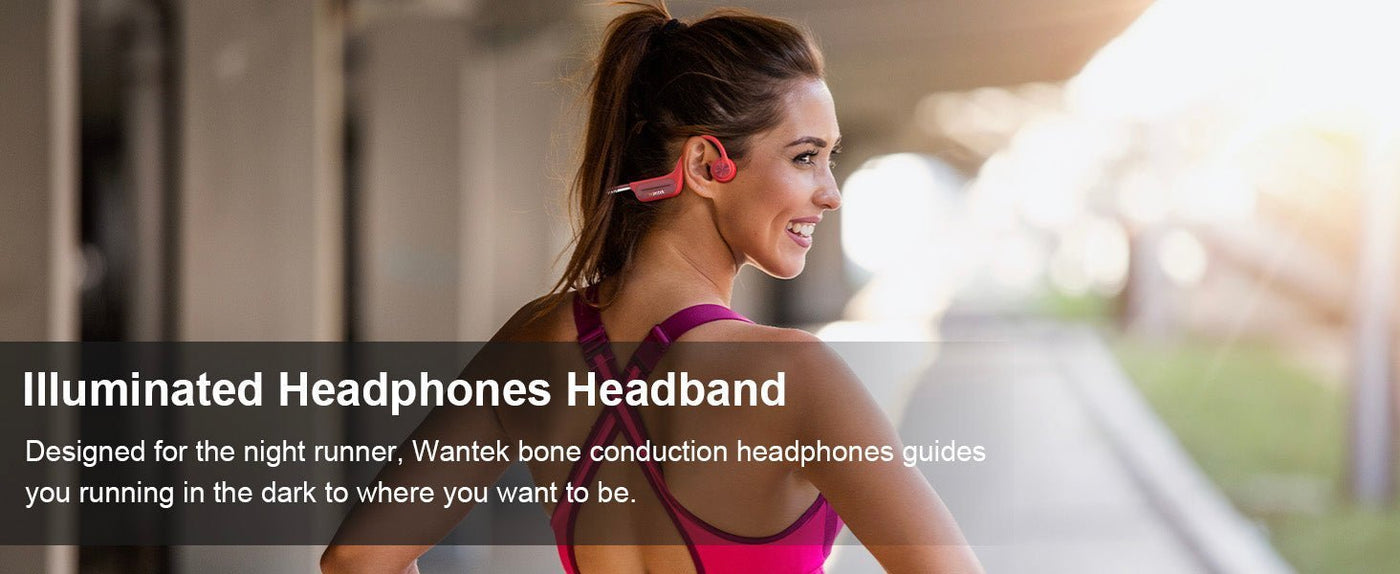
Three current approaches: Powerbeats Pro 2 uses secure ear hooks and carries an IPX4 rating; Shokz OpenRun Pro 2 is an IP55 open-ear sports model; Wantek OBT030 is a clip-on open-ear option with Bluetooth 5.4 and a charging case. None should be treated as a swimming headphone.

Start With the Type of Workout
| Design | Useful for | Main trade-off |
|---|---|---|
| Ear-hook earbuds | Running, lifting and fast movement where a secure earbud fit matters | Still seals or partly occupies the ear canal |
| Open-ear / bone conduction | Outdoor training and users who prefer an open ear canal | Less isolation from gym or traffic noise |
| Over-ear | Users who prioritize large controls, ANC or familiar headphone fit | More heat, pad sweat and movement during intense exercise |
Powerbeats Pro 2: Secure Ear Hooks With IPX4
Apple's current Powerbeats Pro 2 uses ear hooks, includes ANC and Transparency mode, and is rated IPX4 for sweat and water resistance. Apple lists up to 45 hours of total listening time with the charging case. The case itself is not water resistant, so keep it away from sweat and water.
Shokz OpenRun Pro 2: Open-Ear Sports Use
Shokz lists the OpenRun Pro 2 as an IP55 open-ear sports headphone with up to 12 hours of listening. IP55 is suitable for sweat and weather exposure under the manufacturer's guidance, but it is not a swimming rating.
Wantek OBT030: Clip-On Open-Ear Option
Wantek's current OBT030 is an open-ear ear-hook design with Bluetooth 5.4, built-in microphones and a charging case. Wantek lists up to 50 hours of total battery life with the case. Check the product page for current water-resistance guidance before using it for high-sweat sessions.
Do You Need ANC in the Gym?
ANC can make steady gym noise less distracting, but complete isolation is not always desirable around moving equipment, other people or outdoor traffic. Transparency and open-ear designs provide different ways to retain awareness; neither replaces situational judgment.
Sweat Resistance: Read the Exact Rating
Do not translate “sports” into “waterproof.” IP ratings describe specific test conditions, and a charging case may have a different rating—or none at all—from the earbuds. Sweat, rain, showering and swimming are different exposures.
A secure fit matters more than a large driver. A headphone that shifts during running or lifting can be more distracting than one with a less impressive specification sheet.
Cleaning After Workouts
Wipe sweat from the product according to the manufacturer's instructions, allow pads or contact surfaces to dry, and never charge wet earbuds or place damp equipment into a closed case unless the maker explicitly says it is safe.
Frequently Asked Questions
Are over-ear headphones good for the gym?
They can work for lower-movement training, but heat, sweat and clamp stability make them less convenient for many intense workouts.
Are IPX4 earbuds waterproof?
No. IPX4 indicates splash resistance under specified testing; it should not be treated as a swimming or submersion rating.
Are open-ear headphones safer outdoors?
They can leave the ear canal open and make environmental sound easier to hear, but music can still reduce attention. Use appropriate volume and follow local road or trail rules.
Can I swim with gym headphones?
Only if the exact model is designed and documented for swimming. Ordinary sweat-resistant sports headphones should not be submerged.

