
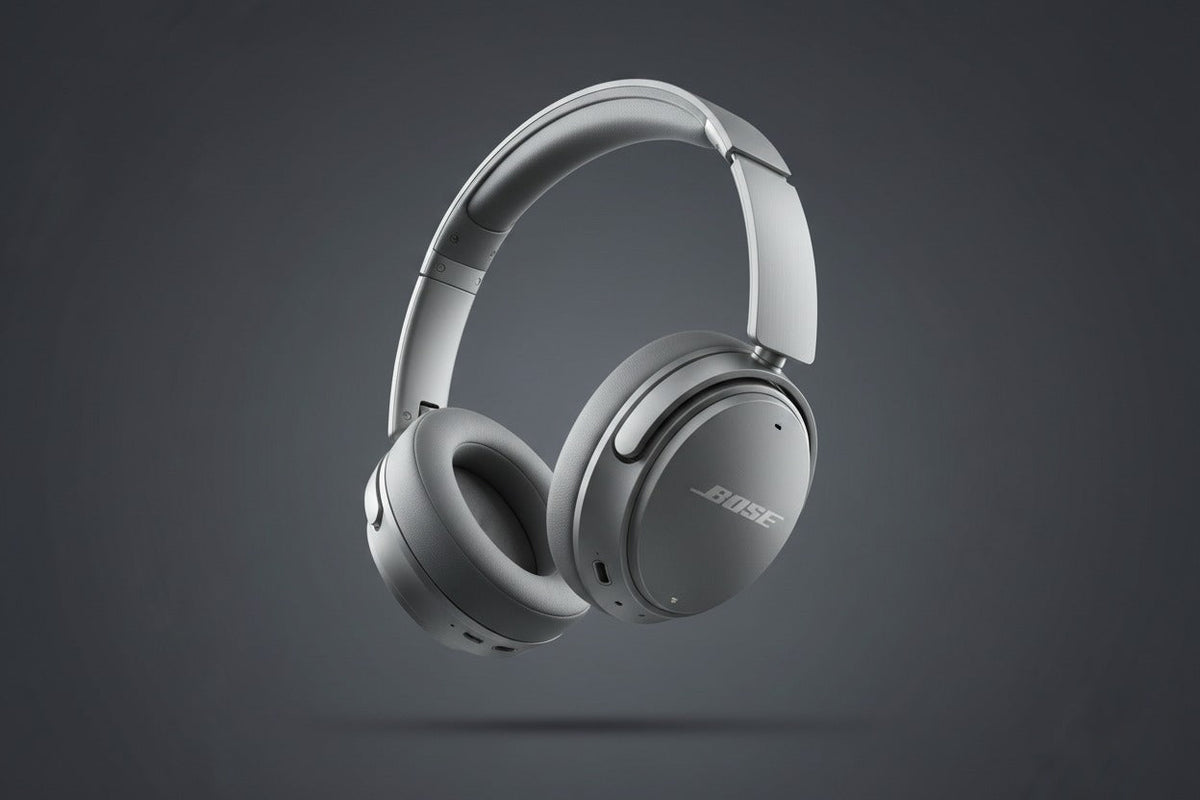
Kurze Antwort: Die Bose Noise Cancelling Headphones 700 sind nach wie vor leistungsfähige Kopfhörer, aber sie sind kein aktuelles Bose-Modell mehr. Laut dem Bose-Support wurden die Consumer-Kopfhörer 700 von 2019 bis 2024 verkauft; Bose hat sein Flaggschiff-Segment bei den Over-Ear-Kopfhörern 2023 auf die QuietComfort Ultra-Serie umgestellt. Die entscheidende Frage beim Kauf im Jahr 2026 lautet daher nicht, ob die 700er zur Markteinführung Premium-Kopfhörer waren, sondern ob ein gebrauchtes oder generalüberholtes Paar preislich und technisch in einem so guten Zustand ist, dass sich die Wahl einer älteren Plattform rechtfertigt.
Bose 700 auf einen Blick
- Markteinführung: Juni 2019 für 399 $ in den USA.
- Aktueller Status: Der Bose-Support listet das Modell als von 2019 bis 2024 verkauft.
- Geräuschunterdrückung: Einstellbares ANC mit 11 Stufen und Konversationsmodus.
- Mikrofone: Insgesamt acht Mikrofone; sechs dienen der Geräuschunterdrückung und vier der Sprachaufnahme, wobei zwei Systeme sich Mikrofone teilen.
- Akku: Bis zu 20 Stunden; eine 15-minütige Aufladung reicht für bis zu 3,5 Stunden Laufzeit.
- App-EQ: Die Einstellung von Bässen, Mitten und Höhen ist ab Firmware 1.4.12 oder neuer verfügbar.
- Preislogik 2026: Da es für die eingestellten 700er keinen aktuellen Bose-Direktverkaufspreis mehr gibt, sind der Zustand und der geforderte Preis im Vergleich zu aktuellen Bose-Modellen wichtiger als die alte UVP.
Dieses Update trennt die dokumentierten Spezifikationen von Bose von unabhängigen Testergebnissen. Es erhebt keinen Anspruch auf einen neuen Wantek-Praxistest der Bose 700.

Status der Bose 700 im Jahr 2026: eingestellt, nicht mehr das aktuelle Flaggschiff
Bose brachte die Noise Cancelling Headphones 700 im Jahr 2019 für 399 $ in den USA auf den Markt. Die Einführung umfasste ein System mit acht Mikrofonen, eine einstellbare Geräuschunterdrückung, kapazitive Touch-Bedienelemente, einen Konversationsmodus und eine Nenn-Akkulaufzeit von bis zu 20 Stunden.
Die Position des Produkts änderte sich einige Jahre später. Der Bose-Support führt die Consumer Headphones 700 heute als von 2019 bis 2024 verkauft, während Bose in der Ankündigung der QuietComfort Ultra-Serie von 2023 explizit darauf hinwies, dass das Ultra-Modell die Headphones 700 als Flaggschiff-Kopfhörer der Marke mit Bügel ablöst.
Damit sind die 700er eher ein Premium-Modell der alten Generation als ein aktuelles Flaggschiff. Bestehende Besitzer können weiterhin ein nützliches Headset nutzen, doch Käufer sollten verbleibende Restbestände, gebrauchte oder generalüberholte Geräte kritisch im Hinblick auf Alter, Akkuzustand, Käuferschutz und den Preis aktueller Alternativen prüfen.
Verifizierte Funktionen der Bose 700, die weiterhin relevant sind
Einstellbares ANC und Konversationsmodus
Das Geräuschunterdrückungssystem der 700er bleibt eines ihrer markantesten dokumentierten Merkmale. Bose entwickelte es mit 11 wählbaren Stufen der Geräuschunterdrückung, die von stärkerer Isolierung bis hin zu voller Transparenz reichen. Der Konversationsmodus pausiert vorübergehend sowohl die Audiowiedergabe als auch die Geräuschunterdrückung, sodass Sie Ihre Umgebung hören können, ohne die Kopfhörer abnehmen zu müssen.
Diese Flexibilität ist nach wie vor praktisch für Reisen, gemeinsam genutzte Arbeitsbereiche und Situationen, in denen Sie zwischen konzentriertem Hören und kurzen Gesprächen wechseln. Dies sollte jedoch nicht als Beweis dafür gewertet werden, dass die 700er jeden neueren ANC-Kopfhörer übertreffen; dies würde direkte Vergleichstests unter identischen Bedingungen erfordern.
Architektur mit acht Mikrofonen für ANC und Sprachaufnahme
Die ursprüngliche technische Beschreibung von Bose spezifiziert acht Mikrofone. Sechs davon tragen zur Geräuschunterdrückung bei, während zwei dieser Mikrofone zusammen mit zwei weiteren zur Sprachaufnahme genutzt werden. Bose setzte Beamforming- und Auslöschungs-Arrays ein, um die Stimme des Trägers zu priorisieren und störende Umgebungsgeräusche zu reduzieren.
Unabhängige Tests bestätigen, dass man das Mikrofon als eine der bedeutenden Stärken betrachten sollte, anstatt sich nur auf die ursprünglichen Werbeaussagen von Bose zu verlassen. Der Testbericht von RTINGS zu den Bose 700, aktualisiert auf den Stand der Testumgebung vom Juni 2026, bescheinigt eine gute Sprachaufzeichnung und eine starke Handhabung von Hintergrundgeräuschen, merkt jedoch auch an, dass die Stimme etwas dünn klingen kann. Dies ist hilfreicher, als das Mikrofon pauschal als „klassenbest“ zu bezeichnen.

Touch-Bedienelemente, Bose-App und einstellbarer EQ
Die rechte Ohrmuschel verfügt über eine berührungsempfindliche Oberfläche für die gängige Wiedergabe-, Lautstärke- und Anrufsteuerung, während physische Tasten für Stromversorgung, Bluetooth, Geräuschkontrollfunktionen und andere Kurzbefehle zuständig sind. Die aktuelle Support-Dokumentation von Bose bestätigt zudem, dass die 700er einen Equalizer in der Bose-App nutzen können.
Dies korrigiert einen wichtigen Fehler in früheren Versionen dieses Artikels: Laut Bose ist der EQ ab Firmware 1.4.12 verfügbar, mit separaten Reglern für Bässe, Mitten und Höhen von -10 bis +10.

Akkulaufzeit, Laden, Bluetooth und Portabilität
| Punkt | Verifiziertes Detail | Bedeutung im Jahr 2026 |
|---|---|---|
| Akku | Bis zu 20 Stunden pro voller Ladung | Immer noch brauchbar für einen Arbeitstag oder eine Reise, aber die tatsächliche Laufzeit eines älteren Akkus kann geringer sein. |
| Laden | Bis zu 2,5 Stunden für eine volle Ladung; 15 Minuten für bis zu 3,5 Stunden | Nützliche Schnellladefunktion, aber der USB-C-Anschluss ist allein kein Grund, moderne USB-C-Audiofunktionen vorauszusetzen. |
| Bluetooth | Bluetooth 5.0; Bose-Support beschreibt Multipoint zum Umschalten zwischen mehreren Bluetooth-Geräten | Weiterhin praktisch für die Nutzung von Telefon und Computer, aber testen Sie Ihren eigenen Arbeitsablauf mit zwei Geräten vor dem Gebrauchtkauf. |
| Aufbewahrung | Ohrmuscheln lassen sich drehen, sodass die Kopfhörer flach in das Transportetui passen | Sie lassen sich nicht wie manche faltbaren Reisekopfhörer nach innen einklappen, daher bleibt das Etui relativ breit. |
Die Support-Seite von Bose zum Laden nennt die Werte von 20 Stunden, 2,5 Stunden und 15 Minuten/3,5 Stunden. Der Support-Index von Bose beschreibt zudem Multipoint als Funktion zum Verbinden mit mehr als einem Bluetooth-Gerät und zum Wechseln zwischen diesen.
Klang, Tragekomfort und ANC: Trennung von Spezifikationen und persönlichen Vorlieben
Bose beschrieb die 700er als Kopfhörer mit aktiver Entzerrung für ein ausgewogenes Klangbild, doch die Klangpräferenz lässt sich nicht auf die Marketingbeschreibung reduzieren. Passform, Brillen, Haare, Dichtsitz, Gehör, Hörlautstärke und bevorzugte Bass- oder Höhenabstimmung beeinflussen das Erlebnis.
Unabhängige Tester haben die 700er im Allgemeinen als starke ANC-Kopfhörer für Büro und Reisen bewertet, wobei sie im Vergleich zu neueren Modellen Nachteile bei Portabilität und Akkulaufzeit feststellten. RTINGS zum Beispiel charakterisiert die 700er nach wie vor als komfortabel mit starker Geräuschisolierung und nützlicher Mikrofon-Geräuschunterdrückung, verdeutlicht in ihrem Update der Testumgebung für 2026 aber auch, dass das Modell als älteres Produkt gegen ein neueres Feld bewertet wird.
Wenn Anrufe der Hauptgrund für Ihren Kauf sind, anstatt Musik oder Reise-ANC, vergleichen Sie Kopfhörer für Zoom-Meetings anhand der Mikrofonplatzierung, Verbindungszuverlässigkeit, Anrufsteuerung und Gerätekompatibilität, anstatt vorauszusetzen, dass ein starkes ANC für den Hörer die beste Meeting-Erfahrung garantiert.
Bose 700 Preis im Jahr 2026: Der aktuelle Markt als Maßstab
Der ursprüngliche Einführungspreis von 399 $ ist ein nützlicher historischer Wert, aber keine aktuelle UVP mehr. Da Bose die Consumer-700er nicht mehr als aktuelles Modell führt, gibt es keinen verlässlichen, einheitlichen „Bose 700 Preis für 2026“, der für gebrauchte, generalüberholte oder B-Ware gleichermaßen gilt.
Eine bessere Methode zur Bewertung des Preises ist der Vergleich mit aktuellen Bose-Produkten. Am 20. September 2026 listete der U.S.-Kopfhörer-Shop von Bose die QuietComfort Headphones (2. Gen) für 359 $ und die QuietComfort Ultra Headphones (2. Gen) für 449 $. Da sich diese Preise ändern können, sollten sie als veralteter Richtwert und nicht als feste Grenze betrachtet werden.
Was Sie vor dem Kauf gebrauchter oder generalüberholter Bose 700 prüfen sollten
- Akkulaufzeit: Die ursprüngliche Spezifikation von Bose lag bei bis zu 20 Stunden. Fragen Sie nach der aktuellen Laufzeit oder testen Sie diese, anstatt davon auszugehen, dass ein älterer Akku noch das ursprüngliche Maximum erreicht.
- ANC und Transparenz: Schalten Sie die Stufen der Geräuschkontrolle durch und testen Sie den Konversationsmodus.
- Mikrofon: Führen Sie einen echten Anruf in der Umgebung, in der Sie die Kopfhörer verwenden möchten.
- Multipoint: Koppeln Sie die beiden Geräte, die Ihnen wichtig sind, und prüfen Sie das Umschaltverhalten.
- Physischer Zustand: Überprüfen Sie die Ohrpolster, das Kopfband, die Verstellschienen der Ohrmuscheln, die Touch-Oberfläche, Anschlüsse und Tasten.
- Mitgeliefertes Zubehör: Überprüfen Sie, ob das Transportetui, das Audiokabel und das Ladekabel vorhanden sind, falls diese für den Kauf relevant sind.
- Käuferschutz: Vergleichen Sie Rückgaberechte und eventuelle Garantien für die Generalüberholung, denn ein niedriger Preis gleicht einen unbekannten Akkuzustand oder intermittierende Verbindungsprobleme nicht aus.
Bose 700 im Vergleich zu aktuellen Bose-Kopfhörern
| Faktor | Bose 700 | Aktueller Bose-Richtwert |
|---|---|---|
| Produktstatus | Verkauft 2019–2024 | QuietComfort Headphones (2. Gen) und QuietComfort Ultra Headphones (2. Gen) sind aktuelle Ladenmodelle. |
| Offizieller Preis | Start bei 399 $; kein aktueller Direktverkaufspreis | 359 $ für QuietComfort Headphones (2. Gen); 449 $ für QuietComfort Ultra Headphones (2. Gen) bei Überprüfung. |
| Nenn-Akkulaufzeit | Bis zu 20 Stunden | 24 Stunden für QuietComfort Headphones (2. Gen); 30 Stunden für QuietComfort Ultra Headphones (2. Gen). |
Der Vergleich macht die 700er nicht für jeden Besitzer obsolet. Er zeigt jedoch, warum ein gebrauchter 700er normalerweise einen deutlichen Preis- oder Zustandvorteil bieten sollte: Neuere Bose-Modelle sind aktuelle Produkte mit längerer Akkulaufzeit und laufendem Support im Einzelhandel.
Wer sollte die Bose 700 noch in Betracht ziehen?
Die 700er können immer noch sinnvoll sein, wenn Sie bereits ein funktionierendes Paar besitzen oder wenn ein gebrauchtes/generalüberholtes Gerät wesentlich günstiger ist als aktuelle Alternativen und Ihre Tests zu Akku, Mikrofon, ANC, Steuerung und Multipoint besteht. Ihre einstellbare Geräuschkontrolle, die Touch-Schnittstelle und das integrierte Mikrofonsystem bleiben praktische Merkmale.
Vergleichen Sie hingegen aktuelle Alternativen, wenn Sie ein neues Bose-Produkt mit aktuellem Vertriebsweg, längerer Akkulaufzeit oder neuesten Bose-Plattformfunktionen wünschen. Für ein auf Anrufe ausgerichtetes Büro-Setup kann ein speziell entwickeltes Arbeits-Headset mit Bügelmikrofon und gerätespezifischen Bedienelementen die Aufgabe besser erfüllen als Consumer-ANC-Kopfhörer.
Fazit: ein leistungsfähiges Modell der alten Generation, kein aktuelles Flaggschiff
Die Bose Noise Cancelling Headphones 700 sind besser gealtert, als es der aktuelle Status des Artikels vermuten lässt, jedoch aus anderen Gründen, als die ältere Bezeichnung „klassenbest“ impliziert. Die dokumentierten Grundlagen sind nach wie vor nützlich: einstellbares ANC, Konversationsmodus, ein System mit acht Mikrofonen, Multipoint-Unterstützung, Touch-Bedienelemente, App-EQ und bis zu 20 Stunden Akkulaufzeit.
Was sich geändert hat, ist der Kaufkontext. Bose hat das Modell eingestellt, als Flaggschiff ersetzt und verkauft nun neuere QuietComfort-Optionen. Im Jahr 2026 sind die 700er am sinnvollsten als Produkt für Bestandskunden oder als sorgfältig geprüfter Gebrauchtkauf mit deutlichem Preisnachlass – nicht als Standardempfehlung für Premium-Kopfhörer zum ursprünglichen Einführungspreis von 399 $.
Suchen Sie stattdessen ein Headset für Arbeitsanrufe?
Wenn Meetings, Gerätekompatibilität und Mikrofonplatzierung wichtiger sind als Consumer-ANC, beginnen Sie bei dem Gerät und der Verbindung, die Sie tatsächlich verwenden.
Bose 700 FAQ
Wurden die Bose 700 eingestellt?
Ja. Der Bose-Support führt die Consumer Noise Cancelling Headphones 700 als von 2019 bis 2024 verkauft. Bose hatte seine Flaggschiff-Position bei den Over-Ear-Modellen bereits 2023 auf die QuietComfort Ultra-Serie umgestellt.
Besitzen die Bose 700 einen einstellbaren EQ?
Ja. Laut Bose fügt die Firmware 1.4.12 und neuer Equalizer-Regler in der Bose-App hinzu, die eine separate Einstellung von Bässen, Mitten und Höhen von -10 bis +10 ermöglichen.
Wie lange hält der Akku der Bose 700?
Bose gibt die Kopfhörer mit bis zu 20 Stunden pro voller Ladung an. Eine vollständige Aufladung kann bis zu 2,5 Stunden dauern, während eine 15-minütige Aufladung für bis zu 3,5 Stunden Laufzeit reichen soll.
Können die Bose 700 mit mehr als einem Bluetooth-Gerät verbunden werden?
Ja. Der Bose-Support beschreibt Multipoint als die Möglichkeit, die 700er mit mehr als einem Bluetooth-Gerät zu verbinden, sodass Sie zwischen Quellen wechseln können, ohne die Verbindung ständig trennen und neu koppeln zu müssen.
Lohnt sich der Kauf der Bose 700 im Jahr 2026?
Das können sie, aber Preis und Zustand bestimmen den Wert. Vergleichen Sie den geforderten Preis, den Akkuzustand, Bedienelemente, ANC, Mikrofon und die Rückgaberichtlinien mit den aktuellen Bose QuietComfort-Optionen, bevor Sie kaufen.

