
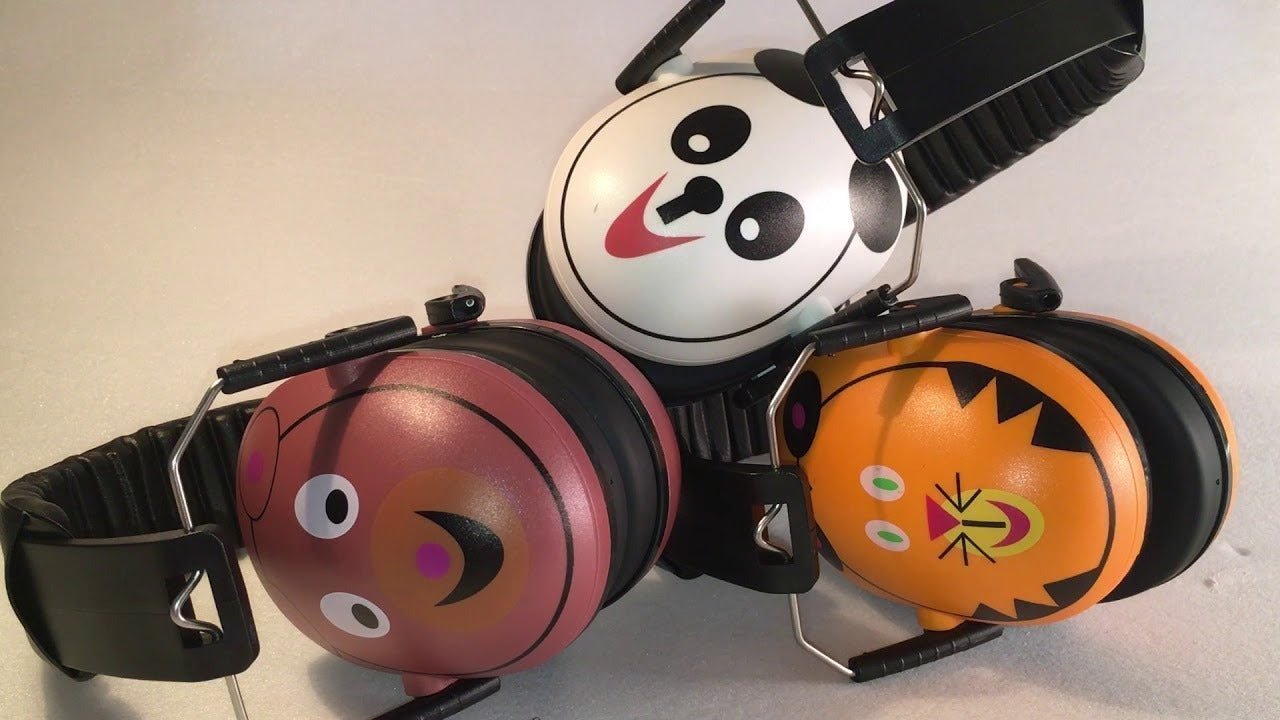
The Califone 3068AV is a wired over-ear education headphone built around switchable mono/stereo listening, individual earcup volume controls, a long analog cable, and replaceable cushions. The useful review question is not whether it is “indestructible” or audiophile-grade; it is whether that specific classroom-oriented design fits your devices, students, and listening tasks.
Quick answer: choose the 3068AV when you need a durable wired headphone for shared listening, language work, computer stations, or music activities and your devices support its 3.5 mm connection. It is not a wireless headset and the current product page does not state a fixed 85 dB volume limiter.

Califone 3068AV Specs at a Glance
School Specialty currently lists the product as the Califone 3068AV Switchable Stereo/Mono Over-Ear Headphones and gives the model number as 3068AV-CT. The current listing is the best source for the version being sold now.
| Feature | Current specification | Practical meaning |
|---|---|---|
| Listening mode | Switchable mono and stereo | Mono can suit language or single-channel material; stereo supports normal computer and music playback. |
| Connection | 3.5 mm plug plus 1/4-inch adapter | Works with compatible analog audio outputs; devices without a headphone jack may need a suitable adapter. |
| Cable | 10-foot CaliTuff cord with reinforced earcup entry | Useful at fixed workstations or listening centers, but the extra cable needs deliberate routing and storage. |
| Controls | Separate volume control on each earcup | Users can adjust left and right listening levels independently. |
| Fit and cushions | Adjustable padded headband; over-ear noise-reducing cups; replaceable leatherette cushions | Designed for repeated classroom use and serviceable wear parts rather than compact portability. |
| Warranty | Three years on the current School Specialty listing | Verify the current written warranty for the exact SKU and purchasing channel before a fleet order. |
What the 3068AV Is Designed to Do
School Specialty's current 3068AV listing positions the mono mode for ELL/ELD and similar language work and the stereo mode for computer workstations, online learning, and music activities. That makes the model easier to understand as shared educational equipment than as a general consumer headphone.
The 3068AV is a headphone, not a microphone headset. If students need to record speech, join calls, or complete speaking assessments, confirm that a separate microphone or a different headset model is part of the setup.
Is the Califone 3068AV Volume-Limited?
The current School Specialty product page documents dual earcup volume controls. It does not state that the 3068AV-CT has a fixed 85 dB maximum-output limiter. Those are different features: a volume control lets the user change level, while a limiter makes a specific maximum-output claim under defined conditions.
For a classroom purchase, do not treat “volume control” as proof of a hearing-safety ceiling. If a fixed output limit is required by your program, choose a product whose current manufacturer or seller documentation states that limit and its conditions.
Fit, Earcups, and Maintenance
The current listing describes a padded adjustable headband, noise-reducing over-ear cups, and replaceable leatherette cushions. “Noise-reducing” here refers to the physical earcup design; the product page does not describe active noise cancellation.
Replaceable cushions can matter in a shared fleet because pads are wear items. Fit still needs a pilot with the intended age range: an adjustable headband does not guarantee that every student will find the same clamp, cup depth, or cushion pressure comfortable. Wantek's over-ear fit guide explains the fit checks that apply across brands.
Cable and Connector Considerations
The current 3068AV-CT uses a 10-foot straight CaliTuff cable with a 3.5 mm plug and a 1/4-inch adapter. School Specialty describes the cord as braided and PVC-jacketed with reinforced entry at the earcup.
A long cable can help at a fixed listening station, but it can also create slack around desks and storage carts. Route the cable so it does not cross walking paths, and test the actual workstation before a class-wide rollout.
Also verify the device port. Many current laptops and tablets still use 3.5 mm audio, but some rely on USB-C or another adapter path. Wantek's classroom headphone selection guide covers device, connector, microphone, fit, and shared-use checks before bulk purchasing.
Durability: What Is Documented and What Is Not
School Specialty describes the CaliTuff cord as designed to resist bending, cutting, separation, and heavy use, and it lists ABS, PVC, and steel among the product materials. Those are documented construction details. They do not justify calling the headphone “indestructible,” “throw-proof,” or twice as durable as another brand without a controlled comparison.
This review is specification-based; Wantek did not run the 3068AV through classroom drop, pull, chew, or long-term wear tests. For institutional use, sample the exact model and inspect the cable entry, adjustment range, cushions, and controls after realistic handling before committing to a large order.
Who the 3068AV Fits Best
- Language and ELL/ELD programs: when mono/stereo switching matches the lesson workflow.
- Computer labs and shared workstations: when a long wired connection and no battery management are useful.
- Listening centers and music activities: when stereo playback and over-ear coverage fit the task.
- Schools that maintain shared equipment: when replaceable ear cushions and a current three-year warranty are useful procurement factors.
It is a weaker fit when the device has no usable analog audio output, when users need a boom microphone, or when mobility requires a wireless design. Those are requirement mismatches, not defects in the 3068AV itself.
Before Buying the 3068AV for a Classroom
Use the exact current SKU and test it with the real devices and applications. Wantek's classroom headphone set guide covers connector, microphone, fit, cleaning, spare-stock, and pilot-testing decisions for shared fleets.
- Confirm the 3.5 mm path or adapter on every device type.
- Check whether students need listening only or a microphone.
- Try the adjustment range with the intended age group.
- Plan how the 10-foot cable will be routed and stored.
- Verify current price, availability, warranty, and replacement-cushion terms at purchase time.
- Approve a small sample before scaling to a class or lab.
Califone 3068AV FAQ
Does the Califone 3068AV have an 85 dB volume limit?
The current School Specialty 3068AV-CT page lists dual earcup volume controls but does not state a fixed 85 dB limiter. Do not treat adjustable volume as the same feature.
Is the Califone 3068AV wireless?
No. The current model is wired and uses a 3.5 mm plug with a 1/4-inch adapter.
Does the 3068AV have a microphone?
The 3068AV is listed as a headphone, not a microphone headset. Choose another model or audio path if students need to record or speak.
What is the difference between mono and stereo on the 3068AV?
The earcup switch lets the headphone operate in mono or stereo. School Specialty positions mono for language applications and stereo for computer and music use.
What warranty does the Califone 3068AV have?
The current School Specialty listing states a three-year warranty. Verify the written terms for the exact SKU and seller when you buy.

