
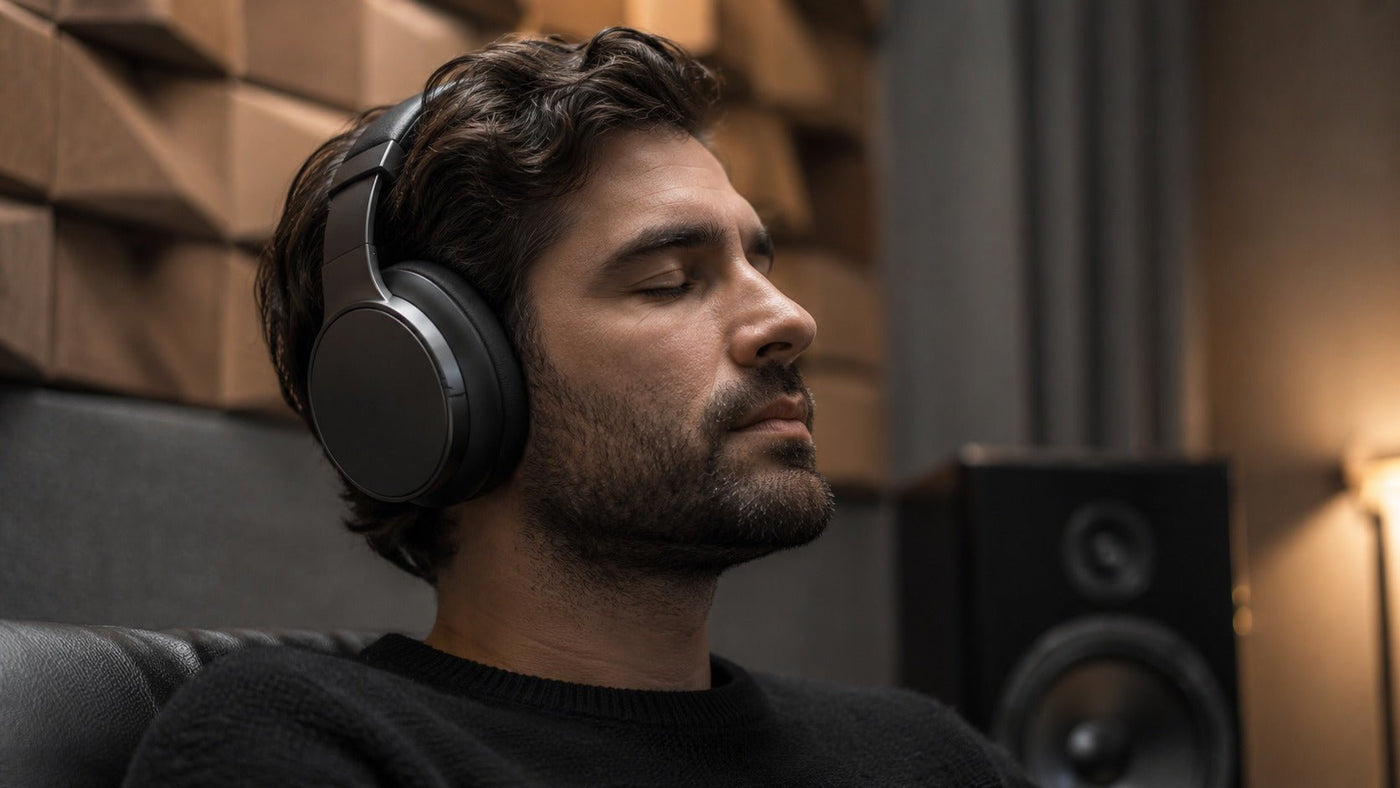
Permítanme decirles algo incómodo. Pasé años odiando los auriculares inalámbricos. Los despreciaba absolutamente. Cada par que probaba sonaba como música filtrada a través de una manta mojada. Los bajos eran blandos. Los agudos eran ásperos. ¿Y los medios? Completamente huecos.
Entonces todo cambió.
Recuerdo el momento exacto. Estaba de pie en una sala de demostraciones en una convención de tecnología. Alguien me entregó un par de Focal Bathys. Puse los ojos en blanco. Otra decepción inalámbrica, pensé. Pero entonces llegó la primera nota. Se me cayó la mandíbula. Literalmente.
Ese día rompió todas las ideas preconcebidas que tenía. La brecha entre los auriculares con cable y los inalámbricos se ha reducido. Y me refiero a que se ha reducido. Hoy en día, los auriculares inalámbricos de alta fidelidad no son solo un compromiso. Son una opción genuina para las personas a las que les importa el sonido.
Así que, si te has aferrado a tus cables como a una manta de seguridad, es hora de una intervención.
El mito de la inferioridad inalámbrica
Necesitamos abordar algo fundamental. Existe la creencia persistente de que Bluetooth destruye la calidad del audio. Que la transmisión inalámbrica es inherentemente defectuosa. Que cualquier audiófilo que se precie debería evitarla a toda costa.
Aquí está la verdad.
Los códecs modernos han evolucionado drásticamente. Ya no estamos atrapados con el códec SBC basura que sonaba como la radio AM. Hoy en día, tenemos opciones que realmente impresionan:
- aptX HD ofrece 576 kbps. Eso es casi calidad de CD.
- LDAC llega hasta 990 kbps. Eso es más alto que la resolución de CD estándar.
- AAC en iPhones modernos es sorprendentemente competente. No es perfecto, pero está cerca.
El verdadero cuello de botella ya no es Bluetooth. Es el hardware dentro de los propios auriculares. Los chips DAC. Los circuitos amplificadores. El diseño del controlador. Empresas como Focal y Mark Levinson han invertido una ingeniería seria en estos componentes.
Y los resultados hablan por sí solos.
He hecho pruebas a ciegas con amigos. Con cable versus inalámbricos. Misma canción, mismo volumen. La mayoría de la gente no pudo identificar de forma fiable cuál era cuál. Algunos incluso prefirieron la versión inalámbrica porque el DAC añadía una sutil calidez.
¿No me crees? Pruébalo tú mismo.

Códecs desmitificados: El lenguaje del audio inalámbrico
Este tema hace que a la gente se le pongan los ojos vidriosos. Lo entiendo. Las especificaciones técnicas son aburridas. Pero entender los códecs es crucial si quieres los mejores auriculares inalámbricos para música.
Permítanme explicarlo de forma sencilla.
Cada conexión Bluetooth utiliza un códec. Piénsalo como un traductor entre tu teléfono y tus auriculares. Algunos traductores son fluidos. Otros murmuran y pierden detalles.
| Nombre del códec | Tasa de bits máxima | Latencia típica | Usuario ideal |
|---|---|---|---|
| SBC | 328 kbps | 150-250ms | Nadie, sinceramente |
| AAC | 250 kbps | 100ms | Propietarios de iPhone |
| aptX estándar | 352 kbps | 80ms | Usuarios ocasionales de Android |
| aptX HD | 576 kbps | 80ms | Android casi audiófilo |
| LDAC | 990 kbps | 80ms | Entusiastas de alta resolución en Android |
| LC3 | Variable | Menos de 100ms | Estándar futuro, LE Audio |
Aquí está la parte dolorosa. Si tienes un iPhone, estás atascado con AAC. Es decente. Pero no es LDAC. Apple se niega a admitir códecs de mayor calidad. Esta es una elección deliberada. Prefieren que compres AirPods.
Si tienes un Android, tienes opciones. La mayoría de los teléfonos modernos son compatibles con LDAC o aptX HD. Solo necesitas unos auriculares que también admitan esos códecs.
Consejo profesional: Nunca compres auriculares inalámbricos que solo admitan SBC. Estás pagando por hardware que suena peor que unos auriculares con cable de 20 dólares. No lo hagas.
Los pesos pesados: Los mejores auriculares inalámbricos de gama alta en 2026
Focal Bathys: El destructor de referencias
Estos auriculares arruinaron otros auriculares inalámbricos para mí. Permanentemente.
Focal es famoso por fabricar altavoces que cuestan más que un Honda Civic usado. Sus auriculares con cable son legendarios. ¿El modelo Utopia? 4.000 dólares. Y la gente los compra.
Los Bathys son su primera entrada seria en el mundo inalámbrico. Y, ¡caramba!, lo lograron.
Firma de sonido: Neutra con un toque de calidez. La recuperación de detalles es asombrosa. Escuché movimientos de pulgar en las cuerdas de la guitarra. Respiraciones entre frases vocales. El decaimiento de los platillos que se extendía en el silencio.
Escenario sonoro: ¿Para unos auriculares inalámbricos de respaldo cerrado? Irreal. Los instrumentos tienen posición. Ancho. Profundidad. No es territorio de espalda abierta, pero está más cerca que cualquier otra cosa.
Cancelación de ruido: Buena. No al nivel de Sony. Pero buena. Silencia el zumbido ambiental sin quitarle vida a la música.
Calidad de construcción: Metal. Fibra de carbono. Cuero auténtico. Se siente caro porque es caro.
Los inconvenientes: Peso. Son pesados. Después de una hora, los notarás. La duración de la batería es de unas 30 horas con ANC. Bien, pero no líder en su clase.
Precio: 700 dólares. Eso es mucho. Pero en comparación con la línea de cable de Focal, ¿es prácticamente una ganga?
Experiencia personal: Escuché "Time" de Hans Zimmer con estos auriculares. ¿El órgano de fondo? Nunca lo había escuchado tan claro antes. Se me saltaron las lágrimas. En serio.
Sony WH-1000XM5: El campeón del pueblo
Quitemos esto de en medio. La serie Sony XM está en todas partes. Y por una buena razón.
Estos auriculares son los mejores todoterreno del mercado. Punto.
Firma de sonido: ¿De serie? Demasiados graves. A Sony le encanta su gama baja. Es retumbante. Embarrada en algunas pistas. Pero aquí está el secreto: la aplicación de ecualización lo arregla todo. Una vez que lo ajustas, el detalle es sorprendente. No al nivel de Focal, pero bastante cerca.
Cancelación de ruido: Líder en la industria. Te los pones en una cafetería ruidosa y el mundo desaparece. Podrían llamarte. Podría sonar una alarma de incendio. No lo oirías.
Comodidad: Ligeros. Almohadillas suaves. Fuerza de sujeción suave. Los he usado durante sesiones de trabajo de ocho horas sin molestias.
Batería: 40 horas con ANC. 50 sin él. Eso es suficiente.
Los inconvenientes: El mecanismo de plegado cambió en los XM5. Ya no se pliegan planos. Esto los hace más voluminosos para viajar. Odio esta decisión. Además, los controles táctiles son sensibles. He pausado la música accidentalmente al ajustar el ajuste.
Precio: 350 dólares. Por lo que obtienes, es un valor excelente.
¿Son los mejores auriculares inalámbricos para música? No de serie. ¿Pero con ecualizador? Absolutamente. Son el mejor paquete general para la mayoría de la gente.
Bowers & Wilkins Px8: Lujo y musicalidad
Algunos auriculares suenan bien. Otros se ven bien. Los Px8 hacen ambas cosas.
Bowers & Wilkins fabrica altavoces que cuestan tanto como un coche de lujo. ¿Su juego de auriculares? Sorprendentemente sólido.
Firma sonora: Cálida. Exuberante. Muy musical. Este no es un sonido analítico. Este es un sonido para "golpear el pie y disfrutar del viaje". Las voces son ricas. Los instrumentos acústicos suenan vivos. La gama media es particularmente hermosa.
Calidad de construcción: Cuero por todas partes. Brazos de aluminio. Las orejeras se sienten como un sofá premium. Querrás tocarlas constantemente.
Soporte de códecs: aptX Adaptive. Bueno para streaming. No tan bueno como LDAC para usuarios de Android.
Los inconvenientes: La cancelación de ruido es normalita. Existe, pero no está al nivel de Sony. Además, son pesados. Similar peso a los Focal Bathys.
Precio: 549 dólares. Premium, pero no una locura.
Historia personal: Escuché "Dreams" de Fleetwood Mac con estos. ¿La línea de bajo? Tenía peso. Textura. Escuché la respiración de Stevie Nicks antes de que empezara a cantar. Estos auriculares hacen que la música se sienta humana.
Sennheiser Momentum 4: El rey de la batería
Sennheiser ha fabricado auriculares desde antes de que yo naciera. Saben de sonido.
Los Momentum 4 son su último buque insignia inalámbrico. Y son extrañamente impresionantes.
Firma sonora: Muy equilibrada. Neutra con un ligero énfasis en los agudos. Esto proporciona claridad sin dureza. Los graves están presentes pero controlados. No se mezclan con los medios.
Duración de la batería: 60 horas. Sesenta. Con ANC activado. Te olvidarás de cargarlos. Yo lo hice.
Características: Entrada de audio USB-C. Buena calidad de micrófono para llamadas. Conexión Bluetooth multipunto.
Los inconvenientes: El diseño es aburrido. Parecen auriculares de plástico genéricos de 2015. Los controles táctiles son complicados. A veces registran los toques incorrectamente.
Precio: 349 dólares. Gran valor.
Hora de la historia: Llevé estos auriculares en un vuelo de 14 horas a Japón. Empecé con la carga completa. Aterricé con batería de sobra. Sin ansiedad. Sonaban muy bien con mi iPhone a través de AAC. Aún mejor con mi teléfono Android a través de aptX.
Mark Levinson No. 5909: El Santo Grial
Si tienes "dinero para gastar", estos son tus auriculares. Mark Levinson fabrica sistemas de audio domésticos de alta gama. Sus primeros auriculares inalámbricos cuestan 999 dólares.
Firma sonora: Nivel de referencia. Limpio. Neutro. Escenario sonoro increíble. Los bajos son ajustados y controlados. Los medios son transparentes. Los agudos se extienden sin dureza.
Calidad de construcción: Magnesio. Aluminio anodizado. Cuero Napa. Esto se siente como sostener un instrumento de precisión.
Cancelación de ruido: Muy buena. No al nivel de Sony. Pero cerca.
Los inconvenientes: Precio. Son 999 dólares. Por ese dinero, podrías comprar una configuración con cable que suene aún mejor. Además, la funda de transporte es enorme. Como una maleta de fin de semana.
¿Son estos los mejores auriculares inalámbricos de gama alta? Sin duda. Si quieres el mejor sonido inalámbrico disponible, esto es todo.
Mi opinión personal: Pasé una tarde con ellos. Escuché "Money" de Pink Floyd. Los sonidos de la caja registradora tenían una posición espacial. La línea de bajo era contundente. El saxofón tenía textura. No quería quitármelos.
Las joyas económicas: Alta fidelidad sin arruinarse
No todo el mundo puede gastar 700 dólares en auriculares. Lo entiendo. No tienes que hacerlo.
Anker Soundcore Space Q45
Anker fabrica cargadores de teléfono. ¿Sus auriculares? Sorprendentemente buenos.
Firma de sonido: Cálida. Ligeramente en forma de V. Los graves y los agudos están realzados. No es una neutralidad audiófila. Pero divertida. Muy divertida.
Cancelación de ruido: Excelente para el precio. Silencia el ruido ambiental de forma eficaz.
Batería: 50 horas. Eso es impresionante.
Precio: 130 dólares.
¿Es alta fidelidad? No. Pero es el auricular inalámbrico de menos de 150 dólares con mejor sonido que he escuchado. Punto.
Audio-Technica ATH-M50xBT2
El M50x original es una leyenda de estudio. Todos los productores que conozco tienen un par. La versión Bluetooth mantiene la firma de sonido.
Firma sonora: Neutra con un ligero aumento de graves. Muy detallada. Ideal para monitorización.
Calidad de construcción: Plástico, pero duradero. Se pliega para viajar.
Soporte inalámbrico: LDAC en Android. AAC en iPhone.
Los inconvenientes: La comodidad es impredecible. Las almohadillas son pequeñas. Después de dos horas, tus oídos podrían sentirse cocidos.
Precio: 200 dólares.
Una visión genuina: Yo los tengo. No son mis favoritos en cuanto a comodidad. ¿Pero en cuanto a calidad de sonido a este precio? Insuperable.
Eligiendo tu par perfecto
Aquí está mi consejo honesto.
Los mejores auriculares inalámbricos para música dependen enteramente de lo que te importe.
Pureza de sonido por encima de todo: Focal Bathys o Mark Levinson No. 5909.
El mejor todoterreno: Sony WH-1000XM5.
Sensación de lujo con gran sonido: Bowers & Wilkins Px8.
Larga duración de batería y valor: Sennheiser Momentum 4.
Audiófilo consciente del presupuesto: Audio-Technica MTH-M50xBT2.
Oyente ocasional con un presupuesto limitado: Anker Soundcore Space Q45.
Piensa en tu caso de uso. ¿Dónde los usarás? ¿Oficina en casa? ¿Trayecto al trabajo? ¿Gimnasio? Los Sony son los mejores para entornos ruidosos. Los Focal son los mejores para la escucha crítica. Los Sennheiser son los mejores para olvidarse de cargarlos.

La incómoda verdad sobre los auriculares con cable vs. inalámbricos
Tengo que ser honesto contigo.
Todavía uso auriculares con cable en mi escritorio. Un HD 600 a través de un amplificador Schiit. Esa configuración supera a cualquier auricular inalámbrico del mundo. El detalle. El escenario sonoro. La pureza. Es inigualable.
Pero.
¿Cuando paseo a mi perro? ¿Cuando cocino la cena? ¿Cuando estoy tumbado en la cama? No quiero un cable. No quiero tropezar. No quiero romper un cable.
La brecha entre lo cableado y lo inalámbrico se está cerrando. Rápidamente.
El Mark Levinson No. 5909 suena lo suficientemente cerca de unos auriculares con cable como para que lo recomiende a alguien que quiera unos auriculares para todo. El Focal Bathys está al 90%. El Sony al 85%.
Para la mayoría de la gente, el 85% es más que suficiente. ¿Y la comodidad de los inalámbricos? Es del 100%.
Tendencias futuras: Lo que viene
El audio inalámbrico está evolucionando rápidamente.
Bluetooth LE Audio con el códec LC3 promete una mejor calidad con tasas de bits más bajas. Esto significa una mayor duración de la batería sin sacrificar el sonido.
Algunas empresas están trabajando en Bluetooth sin pérdidas. Se rumorea que Sony está desarrollando LDAC 2.0. Apple podría eventualmente admitir códecs de mayor calidad.
La próxima generación de los mejores auriculares inalámbricos de gama alta probablemente incluirá:
- Procesamiento integrado que optimiza el sonido para tu perfil auditivo
- Respuesta de frecuencia personalizada basada en la forma de la oreja
- Cancelación de ruido adaptativa que aprende de tu entorno
- Audio espacial que es realmente convincente
Sony ya hace algo similar con el audio de 360 Reality. Todavía no es perfecto. Pero está mejorando.
Mi predicción: Para 2028, los auriculares con cable serán como los discos de vinilo. Principalmente para coleccionistas y puristas. Los inalámbricos dominarán todo. No estoy entusiasmado con ello. Pero he hecho las paces.
Consideraciones finales
Gastarse 700 dólares en unos auriculares parece excesivo. Lo entiendo.
Pero si amas la música, de verdad, la diferencia es transformadora. Notarás detalles que te has perdido durante años. Los instrumentos tendrán espacio y posición. Las voces se sentirán presentes, como si el cantante estuviera en la habitación.
Eso es alta fidelidad.
Y con la tecnología inalámbrica moderna, obtienes esa experiencia sin estar atado a un escritorio. Puedes caminar por tu casa. Llevar tu música al parque. Tumbarte en la cama y dejar que el sonido te envuelva.
Pruébalo. Busca una tienda con pares de demostración. Ponte los Focal Bathys. Escucha una canción que conozcas de memoria. Cada nota. Cada respiración. Cada detalle sutil.
Luego dime que los inalámbricos no pueden sonar bien.
Estaré esperando.
Una última cosa: dales un buen rodaje. Algunos auriculares suenan rígidos al sacarlos de la caja. Dales 50 horas de reproducción. Realmente importa. Aprendí esto después de devolver un par de Px8s demasiado pronto. Ese error todavía me persigue.
Preguntas frecuentes: Descubre la dicha de la alta fidelidad: los mejores auriculares inalámbricos que todo audiófilo debe conocer
1. ¿Qué hace que un auricular inalámbrico sea de "alta fidelidad" para un audiófilo?
Los auriculares inalámbricos de alta fidelidad priorizan la reproducción precisa del sonido con una amplia respuesta de frecuencia, baja distorsión y soporte para códecs de audio de alta resolución como LDAC, aptX HD o aptX Adaptive. También cuentan con tecnología de controlador avanzada (por ejemplo, controladores magnéticos planares o dinámicos) y a menudo incluyen cancelación activa de ruido que no degrada la calidad del sonido.
2. ¿Pueden los auriculares inalámbricos igualar realmente la calidad de sonido de los auriculares audiófilos con cable?
Sí, los auriculares inalámbricos modernos de gama alta han reducido la brecha significativamente. Con componentes premium, códecs Bluetooth sin pérdidas y DAC/amplificadores integrados, modelos como los Focal Bathys o Sony WH-1000XM5 ofrecen detalle, escena sonora y claridad que satisfacen a los audiófilos exigentes, aunque algunos puristas aún prefieren los alámbricos para una transparencia absoluta.
3. ¿Qué características clave debo buscar al elegir auriculares inalámbricos de grado audiófilo?
Priorice el soporte para códecs de alta tasa de bits (LDAC, aptX HD), una batería de larga duración (más de 30 horas), ergonomía cómoda para una escucha prolongada, ecualización personalizable a través de aplicaciones complementarias y una cancelación de ruido efectiva. También busque baja impedancia y alta sensibilidad para garantizar un rendimiento constante en todos los dispositivos.
4. ¿Necesito un DAC o amplificador separado para auriculares audiófilos inalámbricos?
No, los auriculares inalámbricos tienen DAC y amplificadores incorporados, por lo que no requieren equipo externo. Sin embargo, para obtener los mejores resultados, asegúrese de que su dispositivo fuente (como un teléfono inteligente o un DAP) sea compatible con el mismo códec de alta resolución que los auriculares para evitar la compresión de Bluetooth que puede limitar la fidelidad.

