
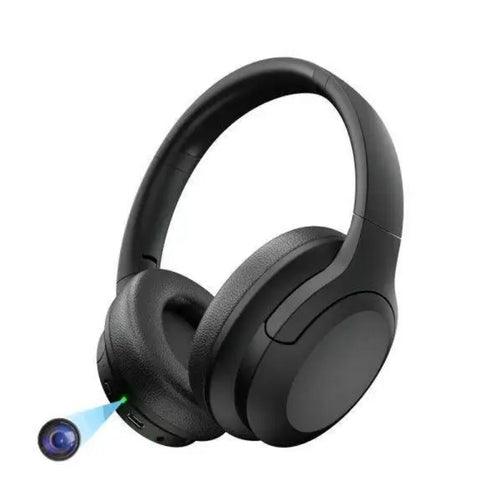
Headphones that conceal a camera combine ordinary audio hardware with covert recording. That creates privacy, consent and legal risks that are much more important than Bluetooth version, image resolution or battery life.
This page does not recommend covert-surveillance models. Recording laws vary by location and context, and workplaces, schools, venues and private properties may impose additional rules.
Why Concealed Recording Is Different From Ordinary Headphones
A visible phone or camera gives people contextual notice that recording may be happening. A hidden camera is designed to remove that signal, which can create serious consent and trust issues even where some recording is legally permitted.
Check Four Things Before Any Recording
| Check | Question | Safer default |
|---|---|---|
| Law | Are audio/video recording and consent legal here? | Get local legal guidance when uncertain |
| Property rules | Does the workplace, school or venue prohibit recording? | Ask permission |
| Expectation of privacy | Is the setting private or sensitive? | Do not covertly record |
| Data handling | Who can access or store the footage? | Minimize collection and protect files |
Safer Alternatives
- Use a visible phone or camera after obtaining appropriate consent.
- Use meeting-platform recording with participant notification when permitted.
- For personal security, consider visible body-worn or dash cameras used under applicable local rules.
- For journalism or investigations, follow professional editorial/legal standards rather than assuming a consumer gadget makes covert recording appropriate.
Frequently Asked Questions
Are hidden-camera headphones legal?
There is no universal answer. Recording and consent laws vary by jurisdiction, setting and whether audio is captured.
Does Bluetooth change the privacy issue?
No. Wireless connectivity is secondary; the central issue is concealed recording and how footage is collected and used.
What is the safer approach?
Use visible recording equipment, obtain consent when required and follow the rules of the location or organization.
Original Article Media


