
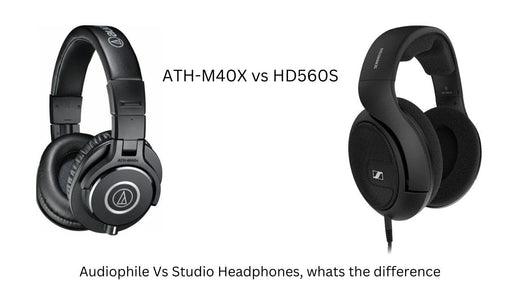
“Studio” and “audiophile” are use labels, not strict engineering categories. The same headphone can be used for both. The real difference is what you need from it: reliable monitoring and isolation for production, or a presentation you enjoy for personal listening.
For recording: closed-back isolation and durability often matter. For mixing: repeatable tonal balance and comfort matter. For home listening: open-back soundstage, tuning and source requirements may matter more.
| Need | Common choice | Why |
|---|---|---|
| Tracking vocals/instruments | Closed-back studio headphone | Reduces bleed into microphones |
| Mixing/editing | Neutral, consistent headphone | Helps reveal balance problems |
| Quiet home listening | Open-back audiophile headphone | Isolation is less important; spacious presentation may be preferred |
| Shared/noisy room | Closed-back | Better isolation in both directions |
Do Studio Headphones Have to Be Flat?
No headphone is perfectly flat at the eardrum, and target responses differ. “Studio” should not be treated as a guarantee of neutral frequency response.
Do Audiophile Headphones Need an Amp?
Not always. Impedance and sensitivity determine source requirements; many high-quality headphones work from ordinary devices or dongles.
For lower-cost production options, see Wantek's affordable studio headphone guide.
Frequently Asked Questions
Can audiophile headphones be used for mixing?
Yes, if you know their response and translate mixes across other playback systems. The label alone does not decide suitability.
Are open-back headphones good for recording vocals?
Usually not the first choice because sound leakage can enter the microphone. Closed-back monitoring is more common.
Which should I buy for both work and music?
Choose by isolation, comfort, tonal balance, repairability and source compatibility rather than the marketing category.
Original Article Media


