
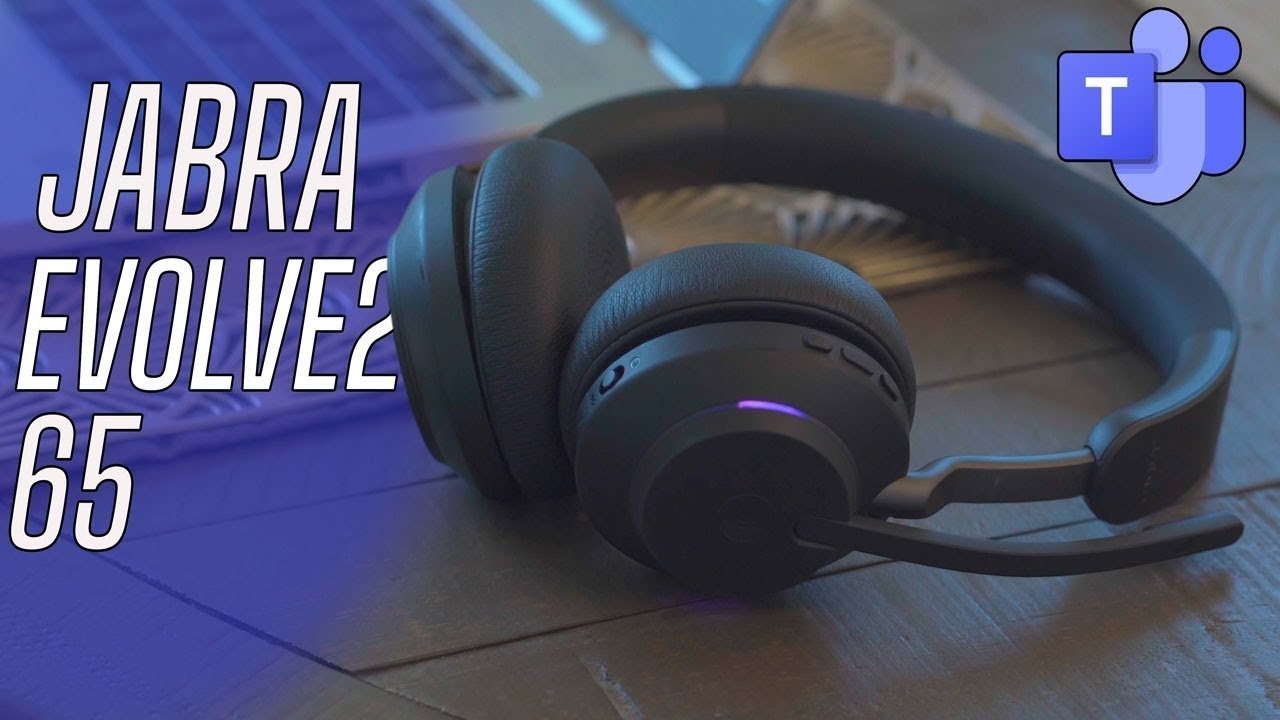
Jabra Evolve2 65 and Evolve 65 share an office-headset use case, but they should not be treated as the same hardware with a new name. Compare the current SKU and support documentation before replacing or standardizing a fleet.
Quick answer: For a new purchase, verify current availability, USB-A/USB-C adapter, mono/stereo configuration, certification, battery conditions, and the management tools your organization uses.

Start With Current Support Status
The older Evolve 65 can remain useful in an existing fleet, but a replacement decision should account for current support, spare parts, firmware tooling, and procurement availability.
Evolve2 65 Has a Documented Current Specification
Jabra’s Evolve2 65 page lists an on-ear design, three digital MEMS microphones, Jabra Link 380 options, and battery figures that vary with busylight use.
Check the Adapter and Certification
USB-A versus USB-C and UC versus Microsoft Teams SKUs can affect deployment. Match the headset and adapter to the computer fleet and collaboration platform instead of assuming every box is identical.
Compare Replacement Cost With Operational Cost
A less expensive legacy unit may still be the right replacement if it matches an existing fleet, but newer management, battery, microphone, and supply-chain needs can justify a different standard.
For a related Wantek workflow, see the work headset with mic guide.
FAQ
Is Evolve2 65 the direct replacement for Evolve 65?
It is a newer Jabra office-headset generation, but migration should still be based on SKU, adapter, certification, and fleet requirements.
Does Evolve2 65 have ANC?
Jabra’s current Evolve2 65 specification lists no active noise cancellation. Passive isolation and microphone noise handling are separate issues.
Can Evolve2 65 connect to multiple devices?
Check the current Jabra specification and deployment guide for the exact multipoint behavior and adapter workflow you need.

