
The best workout headphones depend on the movement and environment. Running emphasizes stability and awareness; gym training adds sweat, controls, and repeated movement; over-ear use adds heat and pad care. A product that works for lifting may be a poor choice for outdoor running or swimming.
Current 2026 starting points: Beats Powerbeats Pro 2 for secure hooked earbuds, JBL Endurance Peak 4 as a mid-range sport option, open-ear designs when environmental awareness matters, and selected over-ear models only for users who accept extra heat and sweat exposure.

Workout Headphones to Compare in 2026
| Use case | Model or style | Why compare it |
|---|---|---|
| Running / secure ear hooks | Beats Powerbeats Pro 2 | RTINGS currently places them as its top tested running pick, citing stable ear hooks, IPX4 protection and ANC. |
| Mid-range sport earbuds | JBL Endurance Peak 4 | Current RTINGS mid-range workout choice; compare fit, ear-hook stability, water rating, controls and battery for your routine. |
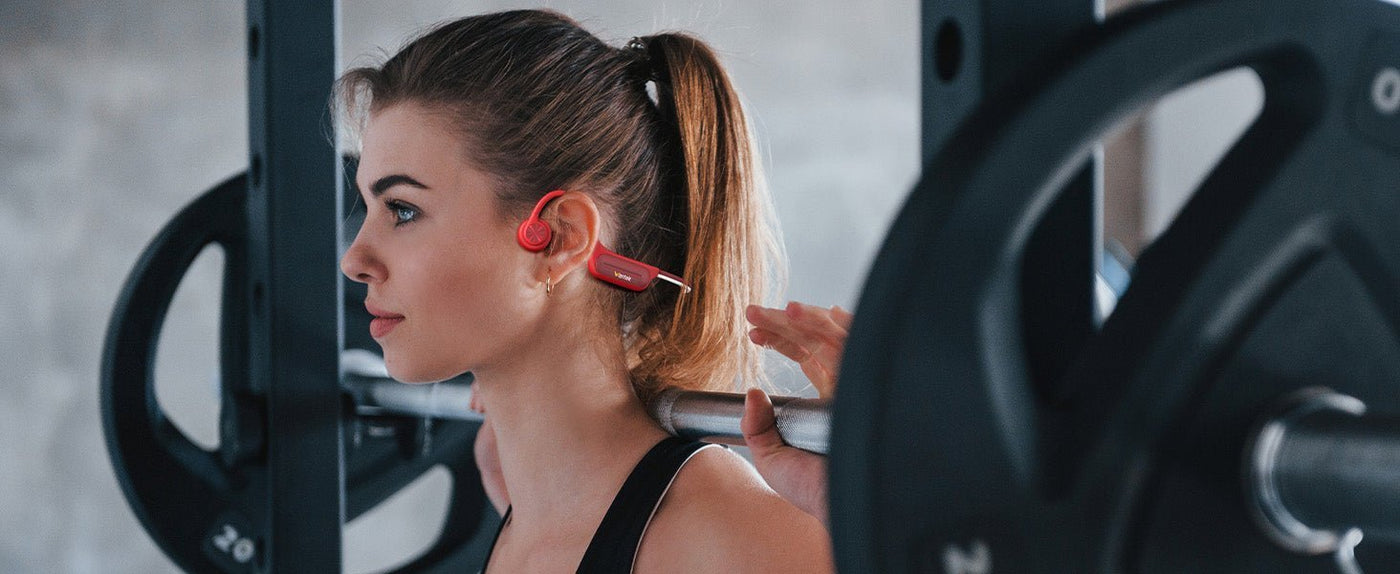
| Outdoor awareness | Open-ear / bone-conduction designs | Leave the ear canal unobstructed so surrounding sound remains more accessible, though playback volume and attention still matter. |
| Over-ear gym use | Comfort-focused over-ear models | Can work for light or moderate training, but heat, stability and sweat protection often make them less practical for intense sessions. |
RTINGS' current running and workout guide emphasizes stability, comfort, awareness, device compatibility and real-world sport use rather than treating one feature as universally decisive.
Stability Comes Before Bass or ANC
A workout headphone that needs constant adjustment is the wrong tool even if it sounds excellent while standing still. Ear hooks, fins, tip size, head shape and clamp all affect movement stability.
Test the motions you actually perform: running, jumping, bench work, rowing, cycling or floor exercises can stress the fit in different directions.
Read the IP Rating as a Test Condition
An IP rating describes specified ingress-protection conditions; it is not a universal “workout score.” IPX4 and IPX7 refer to different water tests, and a product's manufacturer instructions still determine permitted use, charging and care.
Do not treat sweat resistance as permission to swim. For a detailed buying framework, see the fitness headphones guide.
Outdoor Running Adds an Awareness Decision
Sealed earbuds and ANC can reduce surrounding sound. Open-ear or bone-conduction designs keep the canal open, but they do not guarantee that a runner notices every vehicle, cyclist or signal.
Choose the amount of isolation that fits the route and keep playback volume low enough to preserve the environmental cues you need.
Over-Ear Headphones for the Gym
Over-ear headphones can be comfortable for lifting or lower-impact exercise, but most are not designed around heavy sweat. RTINGS' current over-ear workout guide specifically warns that regular workouts may create wear not covered by the manufacturer's warranty.
If you still prefer over-ear, check the exact water-resistance documentation, pad cleanability, clamp, stability and heat buildup. Let the pads dry fully between sessions.
ANC Is Useful Indoors, but It Is Not a Fitness Requirement
ANC can reduce gym chatter and HVAC noise for the wearer. It does not make a headset sweat-resistant and does not improve physical retention. Outdoor users should also consider whether strong isolation is appropriate for the route.
Battery Life: Compare the Right Number
For true wireless earbuds, distinguish per-charge earbud runtime from the larger total that includes case recharges. ANC, heart-rate sensing, transparency mode, volume and codecs can change real runtime.
A runner who trains for 60 minutes has different battery needs from someone preparing for an ultramarathon or all-day event.
How to Test Workout Headphones During the Return Window
- Fit the correct tips, hooks or headband adjustment.
- Perform the movement patterns in your actual workout.
- Check accidental touch or button activation with sweat.
- Test awareness or transparency outdoors in a safe controlled setting.
- Check ear or head pressure after a full session, not five minutes.
- Clean and dry the product according to the manufacturer's instructions.
Frequently Asked Questions
What are the best headphones for running in 2026?
RTINGS currently places Beats Powerbeats Pro 2 at the top of its tested running list. Fit is individual, so stability, comfort, awareness and water protection should still be tested for your routine.
Are over-ear headphones good for working out?
They can work for light or moderate training, but they usually trap more heat and may have limited sweat protection. Verify the exact model's fit, stability and warranty conditions.
Is IPX4 enough for workouts?
IPX4 describes a water-splash test, not a fitness category. Match the manufacturer's rating and care instructions to the sweat, rain or water exposure you expect.
Are open-ear headphones safer for running?
They can make environmental sound more accessible because the canal remains open, but awareness still depends on volume, route, traffic and attention. No headphone guarantees safety.

