
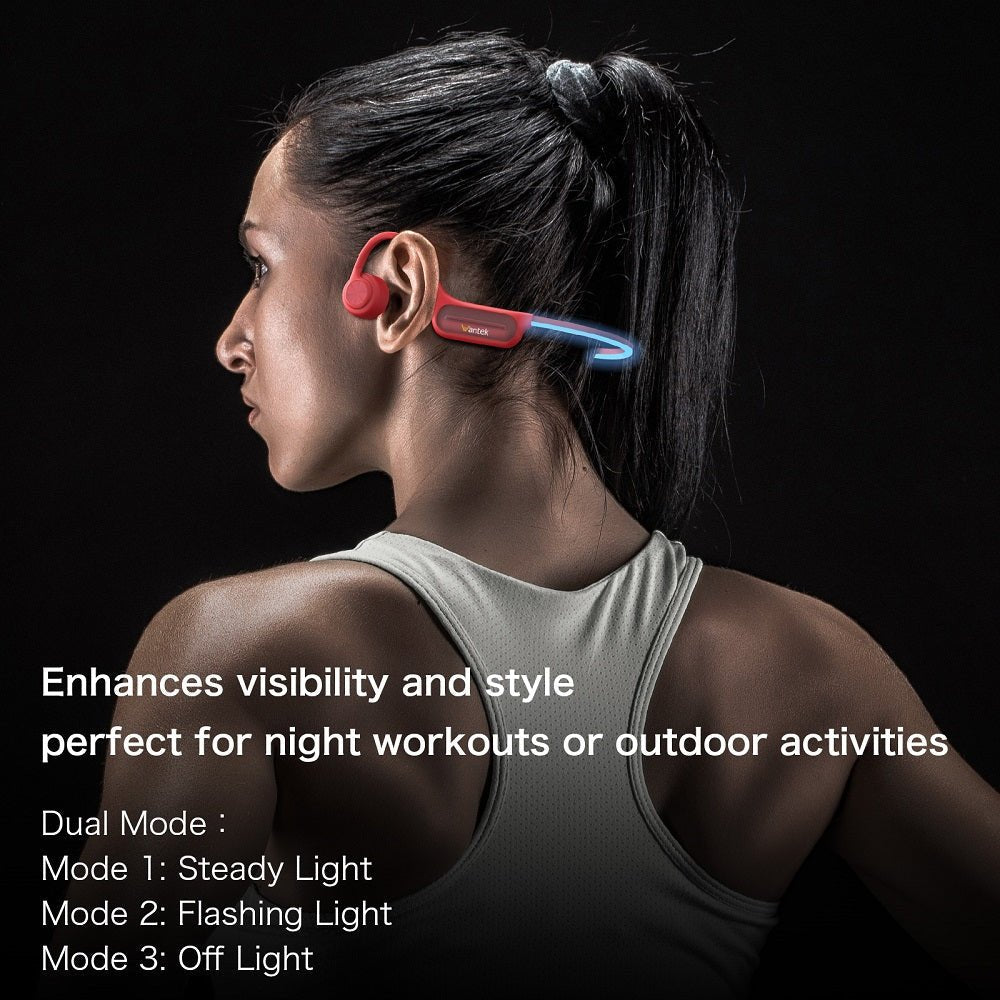
A fitness wireless headset should stay secure during your workout, have documented protection for the sweat or water exposure you expect, and connect to the device you use for audio. Choose the wearing style first, then compare controls, single-charge battery life, and microphone features if you take calls.
Quick answer: A stable earbud can work well for gym sessions, an open-ear design may suit outdoor running when you want more access to surrounding sound, and swimming requires a model specifically designed for water use with supported underwater playback.

Match the Headphone Type to the Workout
| Workout | Useful starting point | What to verify |
|---|---|---|
| Strength training | Secure earbuds or compact headphones with simple controls | Fit during bending and bench work, sweat exposure, control access, and easy cleaning |
| HIIT and treadmill | Low-bounce earbuds with wings or hooks, or another stable design | Retention during repeated movement, sweat rating, button behavior, and battery life |
| Outdoor running | Secure in-ear or open-ear headphones depending on isolation needs | Traffic and environmental awareness, weather exposure, wind behavior, fit, and controls |
| Over-ear gym use | Over-ear headphones when comfort and sound matter more than minimum bulk | Heat, clamp, sweat exposure, pad cleaning, stability, and whether the manufacturer allows workout use |
| Swimming | Headphones specifically documented for swimming | Water rating and test conditions, permitted depth/time, onboard playback, controls, and care instructions |
Fit Comes Before Features
Workout headphones should stay in place without needing constant adjustment. Ear hooks and wings can add retention, while the right ear-tip size matters for sealed earbuds. Over-ear headphones depend more on headband stability, clamp, pad grip, and how the earcups move when you change position.
There is no universally best fit. Ear shape, head size, glasses, hair, and the movement pattern of your workout all change what feels secure.
If standard earbuds loosen during movement, compare wireless ear-hook earbuds by fit and documented features. A hook adds an external anchor, but its shape still has to suit your ears.
Check the Wireless Connection Before Buying
Bluetooth removes the audio cable between your headset and source device. Confirm that your phone, watch, or exercise equipment can send audio to Bluetooth headphones; the presence of a Bluetooth setting alone does not tell you which audio functions are supported.
If you want to leave your phone behind, check how your exact watch stores or streams music and whether it supports headphone pairing. For gym equipment, confirm its headphone-output options separately. Compare the connection and controls you need instead of choosing by Bluetooth version alone.
Read Water-Resistance Claims Literally
Do not translate an IP rating directly into a workout category. The IEC 60529 IP Code classifies degrees of enclosure protection against solid objects and water. It does not certify that a headphone is “for HIIT,” “for running,” or “for swimming.”
Check the exact manufacturer rating, test conditions, warranty language, and care instructions for the model you are considering. Sweat, rain, water jets, temporary immersion, and prolonged swimming are different exposure conditions. Check the charging case separately: Apple’s Beats water-resistance guidance, for example, distinguishes protection for specific earbuds and cases and excludes swimming for the listed workout earbuds.
For swimming: use a model that the manufacturer explicitly supports for swimming. A high IP rating alone does not tell you whether controls, storage, charging contacts, and wireless playback are suitable underwater.
Open-Ear Headphones for Running and Outdoor Exercise
Open-ear designs leave the ear canal unobstructed, which can make surrounding sounds more accessible than strongly isolating earbuds. That does not guarantee complete situational awareness because playback volume, traffic noise, and attention still matter.
If you are considering this format, the bone conduction headphones guide explains how bone-conduction and other open-ear designs differ, including their exercise and swimming trade-offs.
When Over-Ear Fitness Headphones Make Sense
Over-ear headphones can work for lower-impact gym sessions when you prefer their fit or sound, but they bring different trade-offs. Earcups can retain heat, pads need cleaning after sweat exposure, and the headset may shift during running or jumping.
Check whether the manufacturer documents sweat or water resistance before using an expensive over-ear model for heavy workouts. If it does not, do not assume that a general consumer headphone is protected just because it feels sturdy.
Controls Matter More When Your Hands Are Busy
During exercise, the easiest control is usually the one you can use without stopping to look at the device. Physical buttons can be easier to locate by touch, while touch controls vary in how they behave with moisture and accidental contact.
Verify play/pause, volume, track controls, transparency or awareness modes, and how the headphones reconnect after a break. For outdoor workouts, avoid setting volume so high that it masks the sounds you need to notice around you.
Do You Need a Microphone During Workouts?
For occasional phone calls, check whether the exact model has a microphone and the call controls you need. A secure fit or high water-resistance rating does not establish microphone quality. If calls matter, look for model-specific information about wind and background-noise handling.
If you teach fitness classes, check the microphone and receiver requirements of your studio’s sound system. A Bluetooth listening headset with a built-in call microphone should not be assumed to work as a wireless instructor microphone for a PA system. For comparison, Shure’s SM31FH fitness headset microphone is designed for bodypack-based wireless systems.
Battery Life: Use the Number That Matches Your Session
For true wireless earbuds, separate the per-charge earbud runtime from the additional energy stored in the charging case. A large “total battery” number may include several case recharges and may not describe one continuous workout or long event.
Also check whether the stated runtime changes with ANC, transparency mode, higher volume, or other features enabled. Manufacturer battery figures are usually measured under specified test conditions.
Cleaning and Maintenance After Workouts
- Wipe sweat from the headphones after use instead of sealing them into a case while damp.
- Follow the manufacturer’s instructions before using water, alcohol, soap, or cleaning wipes.
- Remove and clean detachable ear tips or pads only when the product instructions allow it.
- Keep charging contacts dry and clean before placing wireless earbuds back in their case.
- Inspect hooks, cables, pads, and hinges periodically if the headphones are used for frequent training.
What About Swimming Headphones?
Swimming is a separate use case from ordinary gym sweat. For example, the Wantek BC3 Pro product page lists IP68 protection, 32GB of onboard MP3 storage, Bluetooth 5.3, and up to six hours of rated battery life. The page recommends local MP3 playback for swimming because water disrupts the Bluetooth connection.
Need Headphones Specifically for Swimming?
If pool use is the priority, compare the documented water protection, onboard playback, fit, and controls of a swim-oriented model rather than a general workout headset.
Frequently Asked Questions
What should I look for in fitness headphones?
Start with secure fit, the actual sweat or water exposure in your workout, easy controls, comfort, battery needs, and cleaning. Then compare sound and extra features.
Are over-ear headphones good for workouts?
They can work for some gym sessions, but check heat, stability, pad cleaning, and documented sweat resistance. Over-ear models are not automatically designed for exercise.
Is IPX7 always better than IPX4 for workouts?
Not as a general fitness score. IP ratings describe specific ingress-protection test conditions. Match the manufacturer’s documented protection and use instructions to the water exposure you actually expect.
Can I use an office Bluetooth headset for workouts?
Check the exact model’s sweat guidance, retention, and controls. Bluetooth connectivity and a boom microphone do not establish exercise suitability; an office headset may lack documented protection for sweaty training.
Can I use Bluetooth headphones while swimming?
Use the manufacturer’s instructions for the exact model. Water can disrupt Bluetooth, so swim headphones commonly rely on onboard storage or another local playback method underwater.

