
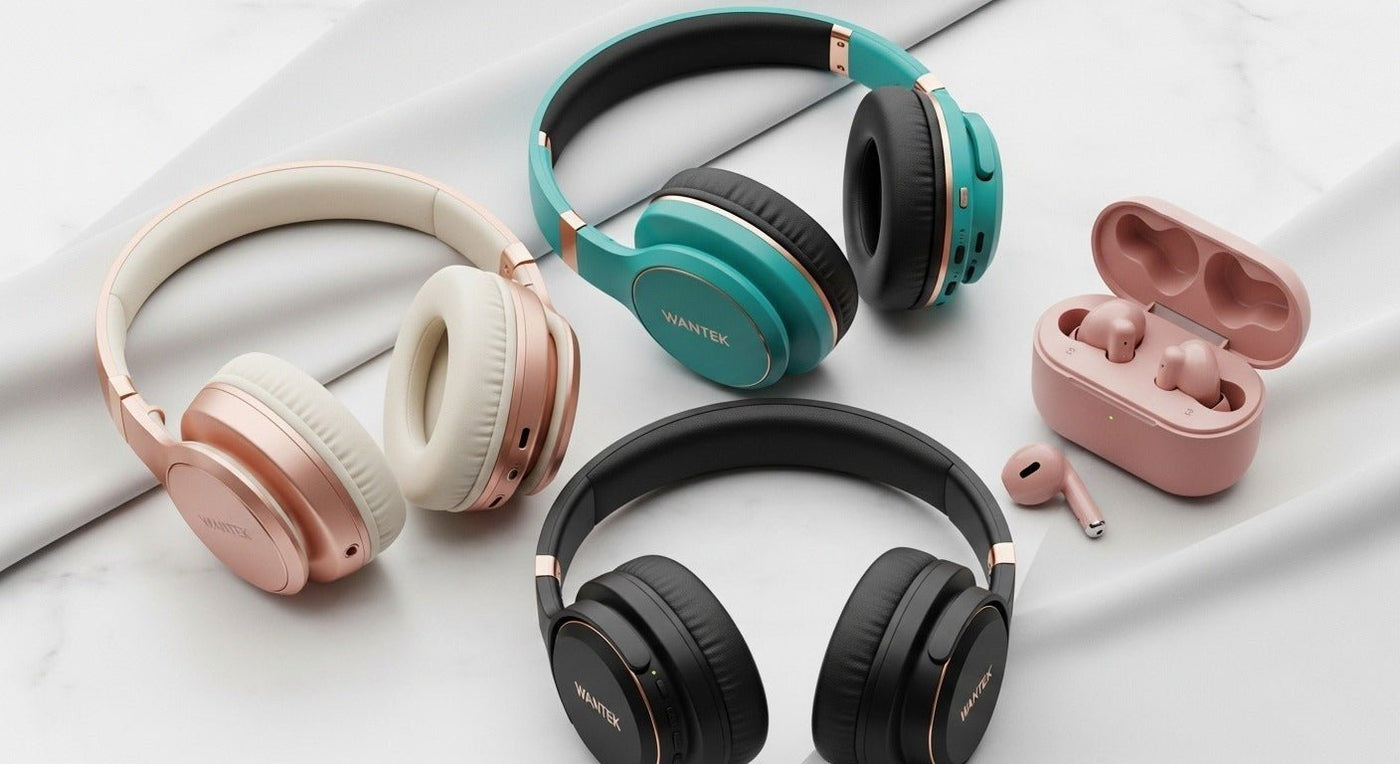
Headphones do not need to be gendered to fit well. If you are shopping for a smaller head, lighter feel, specific color, or lower-profile style, the useful checks are headband adjustment, clamp, ear-cup size, weight, glasses comfort, connection, and use case.

Quick answer: fit comes before styling. Check whether the headphones stay in position at the shortest headband setting, whether the cups align with your ears, and whether clamp and weight remain comfortable before narrowing the shortlist by color or finish.
Smaller-head fit is more than circumference
Two people with similar head circumference can still prefer different headphones because headband shape, jaw angle, ear height, hair, glasses, and pad thickness affect the way the cups sit. A useful fit test looks at the complete contact pattern.
Four fit checks that matter
| Check | Good sign | Possible problem |
|---|---|---|
| Shortest headband setting | Cups line up with the ears without sliding. | Cups sit too low or move with head motion. |
| Clamp | Stable without pressure hotspots. | Headache, jaw pressure, or slipping. |
| Ear-cup size | Pads sit where intended around or on the ear. | Cups press on the ear or sit too large. |
| Weight distribution | Balanced across headband and pads. | Hotspot at the crown or constant adjustment. |
Glasses can change the fit
Glasses arms pass under or alongside the ear pads and can create pressure points or break the seal of some over-ear designs. If you wear glasses for long sessions, evaluate the headphones with them on rather than testing the headset alone.
Lightweight does not automatically mean comfortable
Lower weight can help, but comfort also depends on clamp, pad material, headband shape, heat, and balance. A slightly heavier headphone can feel better when pressure is distributed more evenly.
Choose the wearing style by use
- Over-ear: larger cushions and more space around the ears, but also more bulk.
- On-ear: smaller profile, but pressure sits directly on the outer ear.
- Earbuds: minimal headband pressure, but fit moves to the ear canal or outer ear.
- Open-ear: leaves the canal open and uses a hook, clip, or band depending on design.
Style comes after the functional requirements
Color, finish, cat ears, compact shapes, and other styling are reasonable preferences once the headphones actually fit and work with the device. Check whether different colors are the same model revision rather than assuming every appearance option has identical hardware.
For a deeper size-specific checklist, see Wantek’s headphones for smaller heads guide.
Diagnose the Fit Problem Before Shopping by Size Labels
| What happens | Likely fit issue | What to compare |
|---|---|---|
| Cups sit below the ears | Minimum headband setting may be too long. | Headband adjustment range and cup position. |
| Headset slides during movement | Fit may be too loose for the head shape. | Clamp, pad contact, and weight distribution. |
| Pads press against glasses | Cushion shape and clamp interact with the frames. | Pad softness, opening, and temple pressure. |
| Top of head feels sore | Pressure is concentrated in one area. | Headband padding and weight distribution. |
Style Preferences Are Separate From Fit
Color, finish, cat-ear details, compact styling, and other visual preferences can narrow a shortlist after the functional requirements are met. Keep connection, microphone needs, wearing style, and comfort ahead of appearance so a preferred color does not hide a poor fit.
Use Return Terms as Part of the Fit Test
Product photos rarely show minimum headband length or how the pads interact with your ears and glasses. When those dimensions are not published, a reasonable return policy becomes part of the buying decision.
For a dedicated fitting routine, use the headphones for smaller heads guide.
Frequently asked questions
Are there headphones specifically made for women?
Some products are marketed that way, but fit is better judged by adjustment range, clamp, cup size, weight, and individual head and ear shape.
What should I check for a small head?
Check the shortest headband setting, cup position, movement during head turns, clamp pressure, weight distribution, and whether glasses create pressure points.
Are lighter headphones always better for small heads?
No. Weight helps, but secure adjustment and balanced pressure are equally important. A very light headset can still slip or clamp poorly.
Use the Small-Head Fit Checklist
Compare headband range, cup position, clamp, and return terms before choosing by color or style.

