
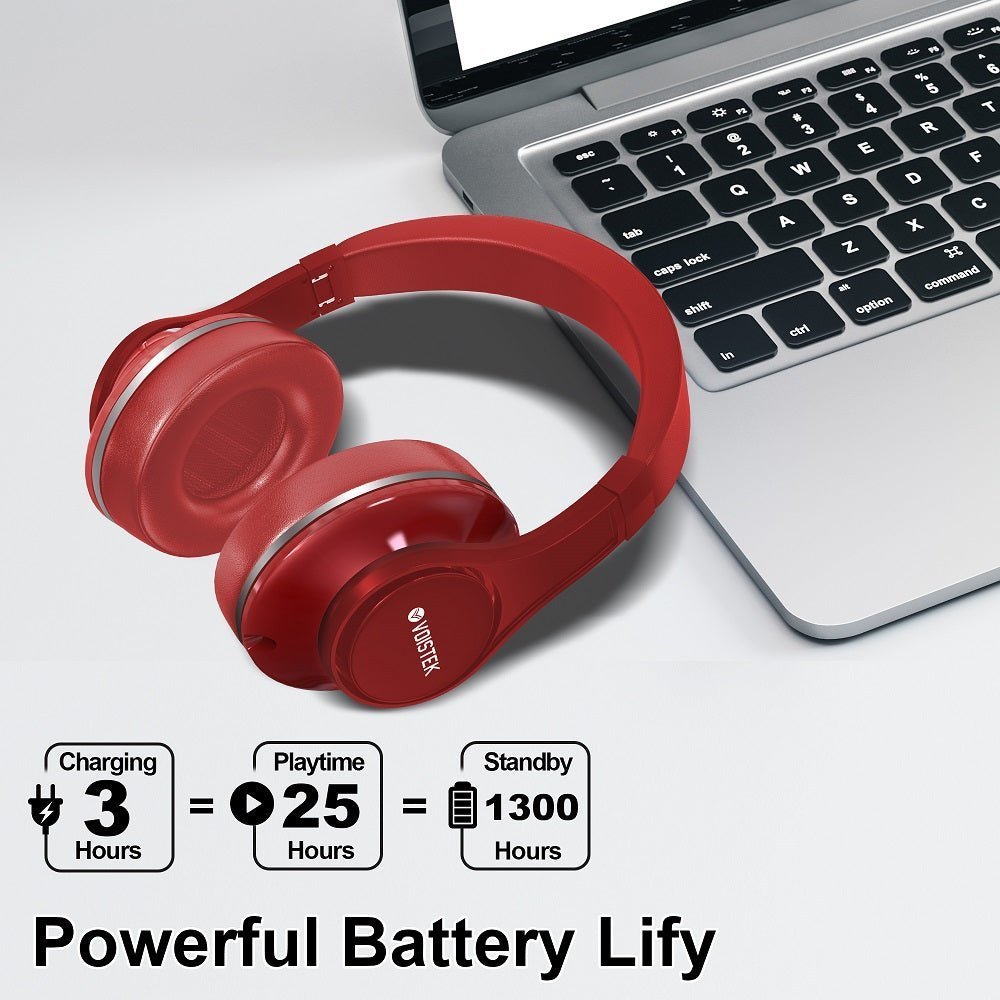
The best earbuds for a computer are the ones that match the computer’s ports and your actual workload. Music listening, video meetings, gaming, and long study sessions put different demands on the microphone, latency, controls, fit, and battery.
Quick answer: Check whether your computer needs 3.5 mm, USB-C/USB-A, or Bluetooth. For calls, verify the microphone and input routing. For gaming or video work, check latency. For all-day use, comfort and a predictable charging or cable workflow matter more than a long feature list.

Choose the Connection First
| Connection | Useful when | Verify |
|---|---|---|
| 3.5 mm TRRS | The computer has a compatible combo headset jack | Mic wiring and whether a splitter is needed |
| USB-C / USB-A | You want a direct digital audio device | OS support, connector, controls, microphone |
| Bluetooth | You want cable-free movement | PC Bluetooth support, mic mode, latency, battery |
| Wireless USB receiver | You want a dedicated PC wireless path | Receiver compatibility and available USB port |
Bluetooth Call Audio Depends on Both Sides
Windows Bluetooth behavior depends on the PC hardware, drivers, Windows version, and earbuds. Microsoft states that Bluetooth LE Audio requires compatible hardware and drivers on the PC plus an LE Audio-capable device. Newer Windows 11 configurations can support improved playback while the microphone is active, but not every PC does. See Microsoft’s Bluetooth LE Audio quality guidance.
For Meetings, Test the Microphone in the Real App
Earbud microphones are farther from the mouth than a boom mic, so speech pickup relies more on the microphone array and processing. Test the exact earbuds in Teams, Zoom, Meet, Discord, or the software you use, and confirm that the operating system selects the correct input and output devices.
For Gaming and Video, Watch Latency
Bluetooth adds a wireless processing path. Perceived delay varies with the computer, codec, earbuds, and application. A wired or dedicated-receiver option can be more predictable when timing is critical.
For Wired Earbuds, Check the Jack and Adapter
A laptop with a single 3.5 mm headset jack may support TRRS earbuds with a microphone. A desktop with separate headphone and microphone sockets may need a compatible splitter. USB-only computers can use a digital audio adapter; the USB-to-headphone-jack adapter guide explains what to verify.
Comfort and Hygiene Matter for Long Sessions
Choose tips that seal without painful pressure and keep spare tips clean. For shared equipment, replace or disinfect ear tips according to the material and manufacturer guidance rather than sharing inserts directly between users.
Computer Earbuds FAQ
Can I use phone earbuds on a computer?
Often yes, but microphone and control support depend on the computer’s jack, USB audio support, Bluetooth implementation, and the earbuds.
Why does Bluetooth sound different when the microphone turns on?
The computer may switch audio modes for two-way communication. On compatible Windows 11 LE Audio systems, newer stereo-microphone modes can improve this behavior.
Are wired earbuds better for gaming?
A wired path avoids Bluetooth transmission latency, but overall performance still depends on the computer, game, audio processing, and earbud design.
Do USB-C earbuds work on every USB-C laptop?
Not automatically. Confirm USB audio support, operating-system compatibility, and microphone/control behavior for the exact laptop and earbuds.
Need a Boom Mic for Frequent Work Calls?
If earbud microphones are not consistent enough for your call environment, compare native USB headsets with boom microphones and physical controls.

