
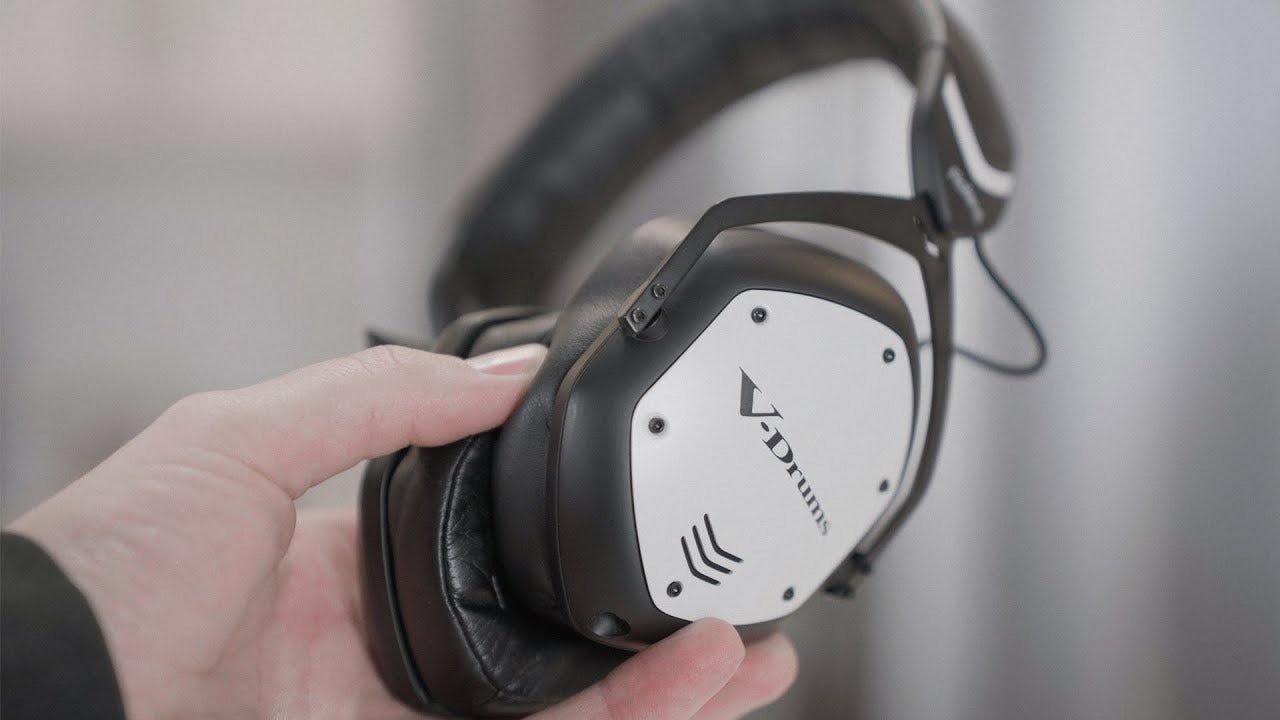
For electronic drums, the best headphones are usually wired models that match the drum module's headphone output, provide enough isolation for the room, stay comfortable while you play, and reach a useful level from the module without unnecessary extra hardware. A universal winner is less useful than choosing for the kit and practice environment you actually use.
Quick answer: start with a wired connection to the drum module. Compare isolation, connector size, impedance and sensitivity, fit, cable routing, and replaceable parts. Current options worth comparing include the Vic Firth SIH3, Alesis DRP100, Audio-Technica ATH-M50x, and Beyerdynamic DT 770 PRO.

What Matters Most for Electronic Drum Headphones
| Model | Current documented direction | Best reason to compare it |
|---|---|---|
| Vic Firth SIH3 | Drum-focused wired isolation headphone; 25 dB stated outside-noise reduction, 50 mm driver, 3.5 mm plug and 1/4-inch adapter. | You practice around acoustic drum sound or want a purpose-built isolation design. |
| Alesis DRP100 | Current Alesis headphone model for drum use; Alesis support confirms a 3.5 mm connection under its removable 1/4-inch adapter. | You want a drum-brand option and need a simple module connection path. |
| Audio-Technica ATH-M50x | Closed-back 45 mm monitor headphone, 38 ohms, detachable cables, 3.5 mm connector and 1/4-inch adapter. | You want one closed-back headphone for electronic drums plus broader studio or music use. |
| Beyerdynamic DT 770 PRO 80 Ω | Closed-back wired studio headphone; current 80-ohm version uses a 3.5 mm mini-jack with 1/4-inch adapter. | You want a studio-oriented closed-back option and have confirmed the drum module can drive the chosen impedance to the level you need. |
Start With the Drum Module's Headphone Output
Electronic drum modules do not all use the same connector layout. Check the manual for the exact kit before buying. Alesis, for example, notes that some of its drum modules use a dedicated 1/8-inch headphone output and that the 1/4-inch adapter supplied on headphones such as the DRP100 can be removed to reveal the 3.5 mm plug.
Do not confuse a module's line output with its headphone output. Alesis explicitly warns that its 1/4-inch main outputs are intended for powered speakers, mixers, amplifiers, or recorders rather than direct headphone use.
Why Wired Monitoring Is the Safest Default
For practice, the simplest signal path is normally the drum module's dedicated headphone output to a compatible wired headphone. That avoids battery management, pairing, and an extra wireless audio path between the pad hit and what you hear.
Do not assume a module with Bluetooth automatically transmits drum monitoring audio to Bluetooth headphones. Bluetooth on an electronic kit may be designed for bringing music into the module rather than sending the module's output to headphones. Verify the exact module manual before planning a wireless setup.
Isolation Depends on the Room
If you are playing an electronic kit in a quiet room, extreme isolation may not be necessary. You still hear physical stick impact, kick-pedal noise, and other mechanical sounds, but the requirement is different from monitoring beside a full acoustic drum kit.
Vic Firth's current SIH3 is a purpose-built isolation option with 25 dB of stated outside-noise reduction, a padded headband, cushioned earcups, a 50 mm driver, and both 3.5 mm and 1/4-inch connection support. That makes it especially relevant when physical drum or room noise is a major part of the problem.
Studio Headphones Can Work Well Too
A drum-specific label is not required. A closed-back monitor headphone can be a practical electronic-drum choice when the connector, source power, isolation, and fit all work.
Audio-Technica's current ATH-M50x is a 38-ohm closed-back design with 45 mm drivers, three detachable cables, a 3.5 mm connector, and a 1/4-inch adapter. It is built as a general professional monitor rather than a dedicated drum headphone.
Beyerdynamic's current DT 770 PRO is another closed-back monitor path. The 80-ohm version uses a straight 3.5 mm cable with a 1/4-inch adapter. If you are comparing studio-oriented designs more broadly, Wantek's studio vs. audiophile headphone guide explains why intended monitoring use matters more than the label alone.
Impedance and Source Power Need to Match
Do not choose a drum headphone from impedance alone, but do not ignore it either. The module's headphone output, the headphone's impedance and sensitivity, and the listening level you need all interact.
Beyerdynamic, for example, positions different DT 770 PRO impedance versions for different sources. If your module is already near maximum volume and the headphone still cannot reach a clean useful level, Wantek's headphone amp and impedance guide explains what to check before adding another amplifier.
Comfort Is a Playing Requirement
Drummers move more than a seated listener. Check whether the headband stays stable when you turn your head, whether the earcups contact glasses or piercings, and whether the cable can be routed away from sticks, pedals, and the throne.
Isolation can also increase clamp or heat. A model that feels secure for a ten-minute demo may not feel the same after a long practice session. Try the exact headphone with your normal playing posture before treating manufacturer comfort language as a personal fit result.
What About Bluetooth Drum Headphones?
Wireless headphones can be useful for ordinary music playback, but an electronic-drum monitoring chain has a stricter timing requirement. Avoid generic claims such as “all Bluetooth is 100 ms” or “low-latency Bluetooth is effectively wired.” Actual delay depends on the transmitter, receiver, codec, buffering, and product implementation.
More importantly, many drum modules do not document Bluetooth headphone output at all. If wireless monitoring matters, use a connection path that the module manufacturer explicitly supports for real-time drum audio and test it with the exact hardware before relying on it.
How to Choose Among These Options
- Need a purpose-built drum isolation headphone: compare the Vic Firth SIH3 first.
- Want a straightforward drum-brand model: check the current Alesis DRP100 and your module's connector.
- Want one headphone for drums and general studio use: compare the ATH-M50x with other closed-back monitors.
- Want a studio-oriented 80-ohm option: consider the DT 770 PRO 80 Ω only after confirming source level is adequate.
- Need stage in-ear monitoring: that is a different fit, isolation, cable, and monitor-mix decision from choosing over-ear practice headphones.
Review Scope and Limits
This guide uses current manufacturer documentation and does not claim that Wantek independently laboratory-tested or ranked these products. Sound preference, fit, module output, practice volume, and room noise can change which option works best for a particular drummer.
Drum Headphones FAQ
Do electronic drums need special headphones?
No. A compatible wired closed-back headphone can work well. Drum-specific models mainly add features such as stronger isolation or a design intended around practice and performance use.
Can I plug headphones directly into an electronic drum module?
Usually, if the module has a dedicated headphone output and the connector matches. Check the exact manual; line outputs are not automatically suitable for direct headphone use.
Are Bluetooth headphones good for electronic drums?
Only when the module and wireless path explicitly support the monitoring use you need. Do not assume a kit's Bluetooth feature sends real-time drum audio to Bluetooth headphones.
Is 80 ohms too high for an electronic drum module?
Not automatically. Output capability and headphone sensitivity matter too. Confirm that the exact module can reach a clean listening level with the exact headphone.
Should drum headphones be closed-back?
Closed-back designs are often practical because they reduce outside sound and leakage. The right amount of isolation still depends on whether you play electronic drums, acoustic drums, or both.

