
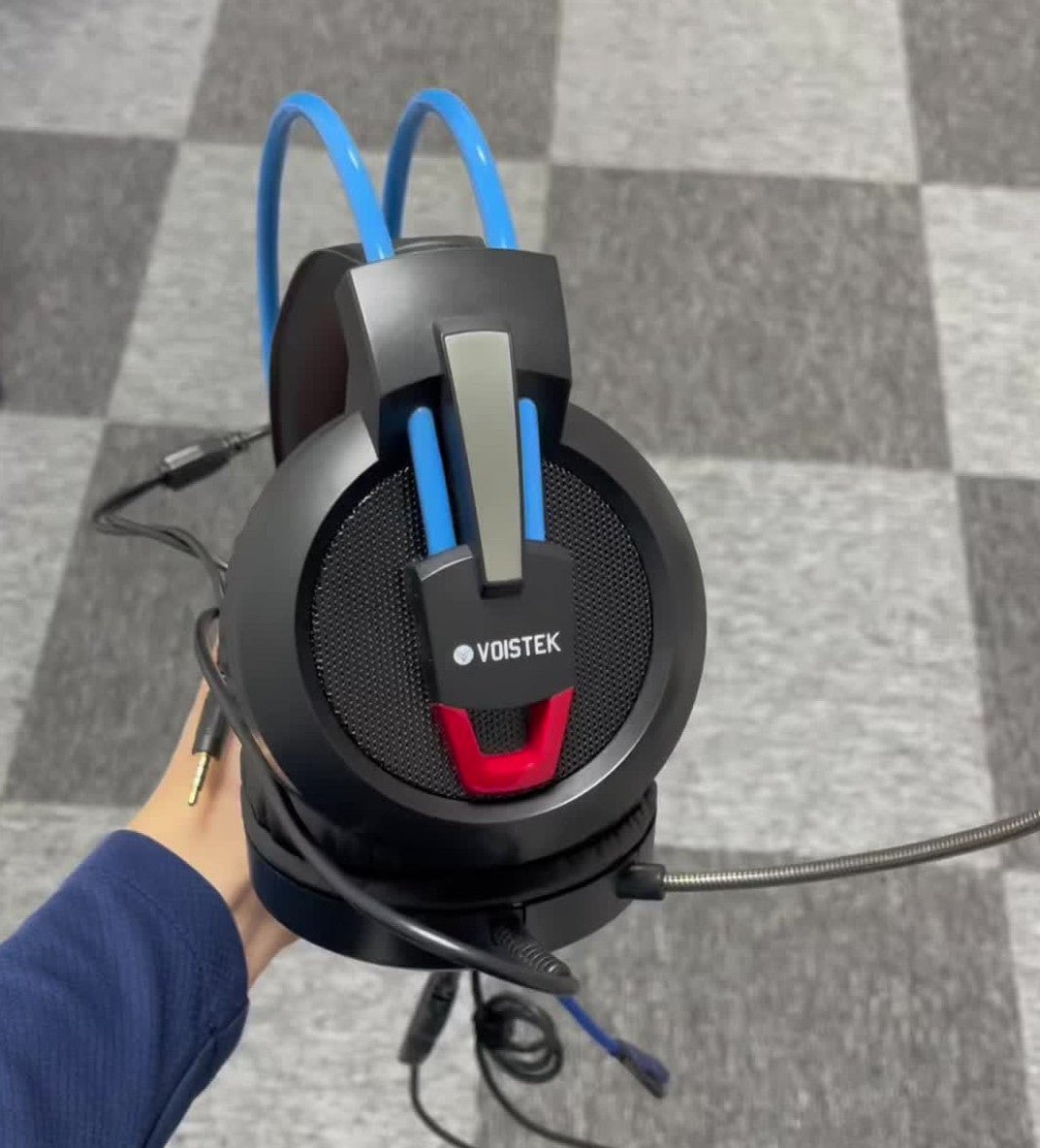
Closed-back headphones use sealed earcups to limit sound leakage and provide passive isolation compared with open-back designs. That makes them useful for studios, offices, commuting, and gaming—but closed-back construction does not guarantee active noise cancellation, zero leakage, stronger bass, or a wider soundstage.
Current shortlist by use case: Sennheiser HD 480 PRO for studio and general wired listening, FiiO FT1 for mid-range value, Focal Stellia for premium closed-back listening, and Audeze Maxwell for wireless gaming. Choose by the job, not by a single “best closed-back” ranking.

Closed-Back Headphones to Compare in 2026
| Use case | Model | Why compare it |
|---|---|---|
| Studio / general wired | Sennheiser HD 480 PRO | RTINGS currently places it as its overall closed-back pick and also uses it as a closed-back studio recommendation. |
| Mid-range wired value | FiiO FT1 | RTINGS currently lists it as its mid-range closed-back choice, making it a useful value benchmark. |
| Premium audiophile | Focal Stellia | Closed-back 40 mm pure-beryllium design, 35-ohm impedance, detachable cables, and a published weight of 435 g. |
| Wireless gaming | Audeze Maxwell | Closed-back 90 mm planar design with a wireless dongle, Bluetooth 5.3, detachable boom mic, and more than 80 hours of published playback time. |
| Wireless everyday use | Sennheiser HDB 630 | RTINGS currently includes it as a wireless closed-back recommendation; compare fit, ANC, battery, codecs, and wired fallback for your devices. |
What Closed-Back Design Actually Changes
A sealed earcup reduces the direct path between the driver and the outside environment. In practice, that usually means less outward leakage and more passive isolation than an open-back design. The exact result still depends on pad seal, venting, clamp, glasses, head shape, and enclosure design.
Closed-back design does not mean complete silence. Low-frequency transport noise may remain noticeable without ANC, and a poor seal can reduce both bass and isolation.
Passive Isolation Is Not the Same as ANC
Passive isolation comes from the physical earcup and pad seal. Active noise cancellation uses microphones and signal processing to reduce selected environmental sounds reaching the listener.
A closed-back headphone can have no ANC at all, and an ANC headphone still depends on physical fit. If travel or a noisy office is the priority, compare both passive seal and measured ANC rather than treating “closed-back” as a substitute for noise-cancelling performance.
Closed-Back Headphones for Studio Work
Closed-back models are useful for tracking and recording because they can reduce leakage into a microphone. For mixing, the decision is more nuanced: a closed-back design can still be accurate, but pad seal and enclosure resonances influence the response, and some engineers prefer open-back headphones or monitors for longer critical-listening work.
Use measurements and your actual workflow rather than assuming “studio” branding guarantees neutral sound. If you need a broader studio comparison, the dedicated studio-headphone guide should separate tracking, monitoring, and mixing requirements.
Closed-Back Headphones for Gaming
For gaming, enclosure type is only one variable. Connection latency, platform compatibility, microphone quality, comfort, controls, and game audio matter at least as much.
Audeze Maxwell is a good example: its closed-back design is part of the package, but its gaming role also depends on the dedicated wireless link, microphone, platform-specific versions, and battery system. The over-ear wireless gaming guide explains those connection trade-offs in more detail.
Closed-Back Headphones for Commuting
Closed earcups can reduce some chatter and environmental noise, but commuting adds portability, heat, battery, transparency mode, and awareness requirements. A large studio headphone may isolate well yet still be inconvenient on a train or plane.
If commuting is the primary use, compare foldability, case size, ANC, awareness mode, battery, wired fallback, and microphone performance in addition to enclosure type.
Comfort: Seal, Clamp and Heat
A stronger seal can improve bass consistency and isolation, but it can also increase heat and pressure. Glasses can break the seal, shallow pads can let ears touch the driver housing, and clamp varies widely among models.
Published weight helps, but it is not enough. Headband design, pad area, clamp, and weight distribution determine how a headphone feels after an hour or more.
Do Closed-Back Headphones Have More Bass?
Not automatically. A sealed enclosure changes acoustic loading, but the final bass response depends on the driver, enclosure volume, damping, venting, pad seal, tuning, and DSP where used. Some closed-back headphones are bass-forward; others are intentionally restrained.
How to Compare Closed-Back Headphones
- Define the job. Studio tracking, gaming, commuting, office work, or home listening.
- Check isolation separately from ANC. They solve related but different problems.
- Check fit and seal. Glasses and pad shape can materially change the result.
- Verify the connection. Wired, USB, Bluetooth, or gaming dongle paths have different requirements.
- Use current measurements. Compare frequency response, distortion, isolation, and microphone tests where relevant.
- Audition long enough for comfort. Heat and pressure often show up later than sound preferences.
Looking Specifically for a Gaming Headset?
Compare the connection path, microphone, platform support, fit, and controls rather than choosing from enclosure type alone.
Frequently Asked Questions
Are closed-back headphones better than open-back headphones?
Neither design is universally better. Closed-back models usually leak less and isolate more; open-back models trade isolation for a more open acoustic design. Choose by environment and use case.
Do closed-back headphones block all outside noise?
No. They provide passive isolation, but the amount varies with fit, pad seal, frequency, and enclosure design. ANC is a separate feature that can further reduce selected noise.
Are closed-back headphones good for gaming?
They can be, especially in shared rooms, but gaming performance also depends on latency, platform compatibility, microphone quality, controls, comfort, and the game’s audio mix.
Are closed-back headphones good for studio recording?
Yes, especially for tracking where reducing headphone leakage into the microphone matters. For mixing, compare tonal accuracy, seal consistency, comfort, and your room/monitor workflow.

