
“Bluetooth earplugs for work” can describe two very different products: ordinary audio earbuds that reduce some perceived noise, and hearing protectors designed and labeled for occupational noise exposure. Do not treat them as interchangeable.
Quick answer: If the workplace requires hearing protection, start with the employer's noise assessment and a suitable hearing protector with an NRR. Bluetooth or communication features can be added to a hearing protector, but ordinary ANC earbuds are not hearing protection unless they are labeled with an NRR.

ANC Earbuds Are Not Automatically Hearing Protection
NIOSH states that active noise cancellation in headphones or earbuds should not be considered hearing protection unless the product is labeled with a Noise Reduction Rating (NRR). See the NIOSH hearing-protection guidance.
| Decision area | What to check | Why it matters |
|---|---|---|
| Ordinary Bluetooth or ANC earbuds | Music, calls, ANC, fit, battery, and device connection | They may reduce perceived noise but should not be substituted for required hearing protection without an NRR. |
| Communication hearing protectors | NRR, fit, communication system, battery, work compatibility, and required PPE integration | NIOSH recognizes hearing protectors with built-in microphones and speakers for communication in noisy work. |
| Employer selection | Measured exposure, required attenuation, fit, training, and correct use | Protection must match the actual noise environment rather than a generic product ranking. |
Use the Noise Environment to Choose the Protector
OSHA requires employers covered by its occupational-noise standard to evaluate hearing-protector attenuation for the specific noise environment. The mandatory Appendix B explains methods that use the NRR to estimate adequacy. See OSHA Appendix B on hearing-protector attenuation.
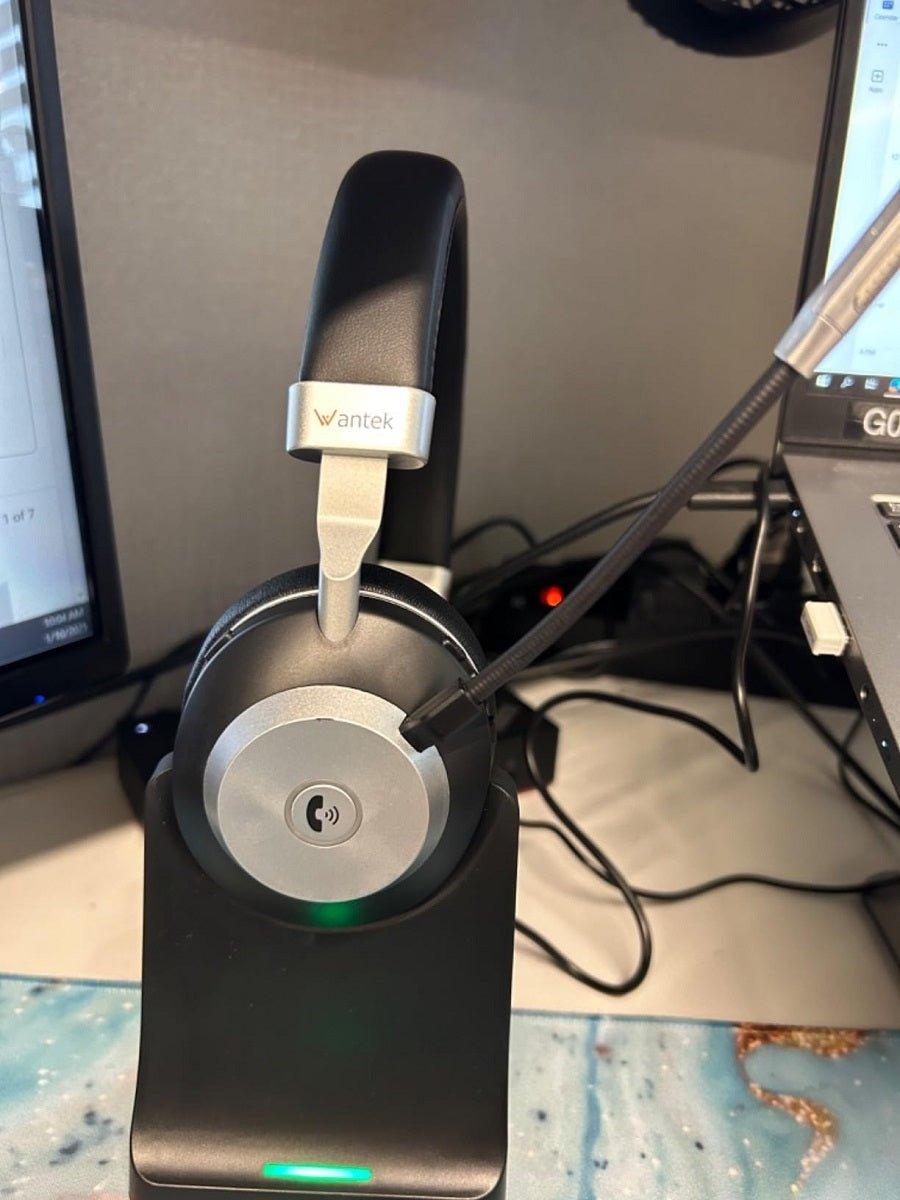
For a workplace-focused example of separating retailer listings, site rules, ANC, and rated hearing protection, see Wantek’s Amazon work-headphone and hearing-protection guide.
Bluetooth Can Be a Feature of Real Hearing Protection
Communication hearing protectors can include microphones, speakers, radio, or Bluetooth functions while still serving as hearing protection. The key is that the product's protective rating and intended occupational use are documented; the presence of Bluetooth alone says nothing about attenuation.
Fit and Correct Use Still Matter
OSHA's standard requires proper initial fitting and correct use of hearing protectors in covered programs. A product can have an NRR and still perform poorly when it is worn incorrectly, interferes with other PPE, or does not suit the worker's ear or task.
Do Not Rank Marketplace Listings Without Verifying the Rating
A shopping page can mix consumer earbuds, shooting products, industrial protectors, and communication devices. Verify the manufacturer, NRR label, intended use, seller, replacement parts, and compatibility with other required PPE before using a marketplace listing for a work-safety decision.
Frequently Asked Questions
Are Bluetooth earbuds hearing protection?
Not necessarily. NIOSH says ANC headphones or earbuds should not be considered hearing protection unless labeled with an NRR. Bluetooth is a communication feature, not a protection rating.
Can hearing protection include Bluetooth?
Yes. Some hearing protectors include communication technology such as microphones and speakers. Verify the NRR, intended work use, fit, and the employer's required attenuation.
Is a higher NRR always the best choice?
No single rating should be chosen without the noise environment and fit. OSHA requires attenuation to be evaluated for the specific exposure and the protector to be used correctly.

