
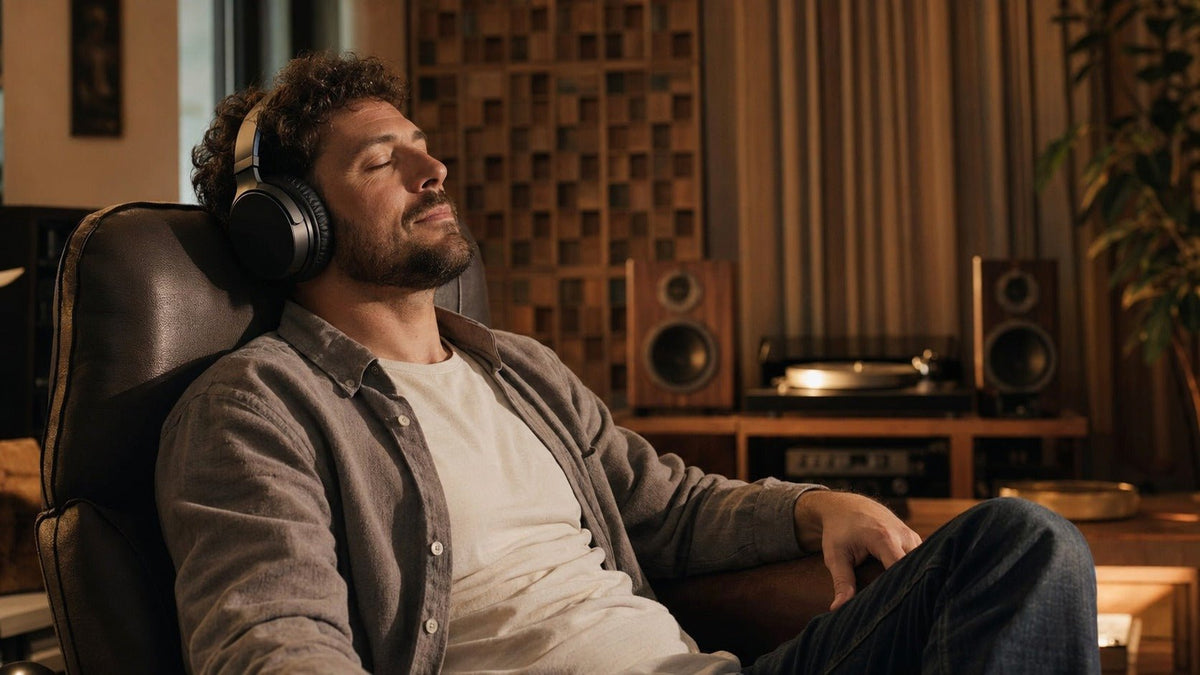
You know that moment. That perfect, spine-tingling instant when a song hits you right in the chest. Not just playing through your ears. But resonating deep in your soul. That’s what I chase. That’s what high fidelity wireless headphones promise.
For years, I refused to believe wireless could sound good. Bluetooth was a dirty phrase in my vocabulary. It meant compression. It meant lag. It meant sacrificing every ounce of warmth and detail for the convenience of not being tethered. I was a snob. I’ll admit it.
But here’s the truth. Technology evolved while I was busy being stubborn. We’re living in a golden era now. You can cut the cord and keep the quality intact. Seriously. I’ve tested dozens of pairs. I’ve spent more money than I’ll ever confess to my bank account. And I’ve found the real deal.
Let me walk you through what matters. No marketing fluff. No corporate jargon. Just my raw, unfiltered experience as someone who spends way too much time thinking about sound.
What Does “High Fidelity” Actually Mean in 2026?
Let’s strip away the hype. The term “high fidelity” gets thrown around like confetti at a tech convention. You see it plastered on cheap earbuds from gas stations. You see it on $50 Amazon specials that sound like they’re underwater. It means nothing without context.
To me, high fidelity means accuracy. Pure, unadulterated accuracy. The headphones reproduce the audio signal exactly as the artist intended. No artificial bass boost. No exaggerated treble. No weird frequency coloring that makes everything sound like it’s in a cave. Just the signal. Clean. Clear. Honest.
For wireless headphones, this becomes incredibly tricky. Bluetooth codecs are the bottleneck. You need the right ones. LDAC is the gold standard. It transmits at up to 990 kilobits per second. That’s close to CD quality. aptX HD comes next at 576 kbps. AAC is decent for Apple users. SBC? That’s the bare minimum. It works for podcasts. It fails miserably for your jazz collection.
Hardware matters too. Drivers, impedance, frequency response. These aren’t just numbers on a spec sheet. They determine how the sound behaves. Planar magnetic drivers offer lightning-fast response times. Dynamic drivers provide punch and warmth. The best high-end wireless headphones combine the right hardware with the right tuning.
I remember buying my first pair of “HD” wireless headphones years ago. They advertised high fidelity in bold letters. They sounded like a tin can with a dying mosquito inside. I learned my lesson. Specs don’t tell the whole story. You have to listen.
Here’s a quick breakdown of what to prioritize:
- Codec support: LDAC or aptX Adaptive for Android. AAC for iPhone. Avoid SBC for critical listening.
- Driver type: Planar magnetic for detail. Dynamic for warmth. Both can be excellent.
- Impedance and sensitivity: Lower impedance is easier to drive. Higher sensitivity means louder volume.
- Frequency response: Look for a flat curve. Avoid headphones that boost bass excessively.
But honestly? Rules are meant to be broken. Some of my favorite headphones defy these categories. They sound incredible despite imperfect specs. That’s the magic of audio. It’s subjective. It’s personal. It’s emotional.

My Top Picks for High Fidelity Wireless Headphones in 2026
I’ve categorized these based on real-world use. Not lab tests. Not marketing materials. I’ve worn these in my messy office. I’ve taken them to noisy coffee shops. I’ve used them for gaming sessions that ended in rage quits. These are battle-tested recommendations.
Focal Bathys: The French Masterpiece That Does Everything Well
If someone put a gun to my head and forced me to recommend one pair of high fidelity wireless headphones, it would be the Focal Bathys. These are French-made. They sound elegant without being cold. They handle everything from classical to metal with grace.
Sound quality is astonishing. The bass is tight and controlled. It doesn’t bleed into the mids. The mids themselves are lush and forward. Vocals feel like they’re in the room with you. The treble is sparkly but never harsh. I listened to Fleetwood Mac’s Rumours and heard Stevie Nicks breathing between verses. That level of detail is rare.
Wireless performance is rock solid. These support LDAC and aptX Adaptive. I walked to my kitchen, about 20 feet away, through two walls. No dropouts. No stuttering. Battery life hits around 30 hours. That’s decent for this price range.
Gaming with these is a treat. As audiophile wireless headphones for gaming, they excel. The soundstage is wide and immersive. I pinpointed footsteps in Valorant like I was psychic. Latency is low enough that I didn’t notice any lag. Just don’t expect a built-in boom mic. You’ll need a separate microphone for voice chat.
The catch? They’re heavy. After two hours, my neck started complaining. The price tag of $799 also hurts. But you get what you pay for. These are built with premium materials and tuned by people who care deeply about sound.
I use these for daily listening. They’re my go-to for music, movies, and casual gaming. They’re not perfect. But they’re damn close.
Sony WH-1000XM5: The Comfort Champion That Actually Sounds Good
Everyone talks about the Sony XM5 for noise cancellation. And yes, they’re the best at blocking out the world. But what people miss is how good they sound for the price. At under $400, these are among the best high-end wireless headphones you can buy.
Sound quality is fun, not analytical. These aren’t flat monitors. They’re tuned for enjoyment. The bass is slightly boosted. The mids are warm and inviting. The treble is smooth and non-fatiguing. I threw on Daft Punk’s Random Access Memories and it sounded full and punchy. Pop and electronic music shine here.
Wireless performance is excellent for Android users. Sony uses their proprietary LDAC codec. If you have an Android phone, you get near-lossless quality. iPhone users are stuck with AAC. It still sounds good, but you lose some detail.
Gaming is not ideal for competitive play. The soundstage is intimate. It feels like the music is inside your head, not around you. Latency is noticeable in fast-paced shooters. For story-driven games like Red Dead Redemption 2, they’re immersive. For esports? Pass.
The catch? The touch controls are finicky. I’ve accidentally skipped songs when adjusting the headphones. Also, the fold-flat design is gone. They only collapse into a bulky case. Traveling with them is annoying.
I use these for commuting and office work. The noise cancellation lets me ignore the chaos around me. They’re comfortable for hours. But they’re not my first choice for critical listening.
Audeze Maxwell: The Gamer’s Hidden Gem
Hold up. Before you skip this section thinking gaming headphones are garbage, hear me out. The Audeze Maxwell is a planar magnetic headphone that destroys every stereotype. It’s marketed as a gaming headset. But it’s actually one of the best high fidelity wireless headphones for music, too.
Sound quality is breathtaking. Planar drivers mean distortion is virtually nonexistent. The bass is deep and controlled without being overwhelming. The mids are clear and detailed. The treble is extended without being piercing. I listened to Dark Side of the Moon and noticed sounds I’d never heard before. The cash register in “Money” had this metallic clang that felt real. Goosebumps.
Wireless performance is near-perfect for gaming. These use a proprietary 2.4GHz dongle for ultra-low latency. Bluetooth is available for on-the-go use. The latency is essentially zero. Perfect for competitive gaming.
Gaming is where the Maxwell shines. As audiophile wireless headphones for gaming, these are unmatched. The soundstage is holographic. I can hear enemies sneaking up from behind in Call of Duty. The built-in microphone is surprisingly good. No background noise. Clear speech. My teammates stopped complaining about my audio quality.
The catch? They’re heavy. 490 grams heavy. Your neck will feel it after long sessions. The battery life is excellent, around 80 hours with the dongle. But the charging port is micro-USB, not USB-C. In 2026? Come on, Audeze. That’s unacceptable.
I use these exclusively for gaming. They’re my go-to for Valorant, Apex Legends, and Call of Duty. For music, they’re good but not as refined as the Focal Bathys.
Bowers & Wilkins Px8: The Luxury Statement Piece
These headphones scream class. Nappa leather. Die-cast aluminum. They look like something James Bond would wear while sipping a martini. But do they sound as good as they look?
Sound quality is refined and warm. Vocals are front and center with a natural timbre. I listened to Dave Brubeck’s Take Five and the saxophone had this breathy, textured quality that made me close my eyes. The bass is present but polite. It doesn’t overpower.
Wireless performance is stable but limited. They support aptX Adaptive and AAC. No LDAC. That’s a bummer for Android users. The connection is stable, though. No dropouts in my testing.
Gaming is not recommended. The soundstage is narrow. There’s noticeable compression during fast-paced action. These are for lounging, not fragging.
The catch? The price is steep at $699. The carrying case is too small for comfortable travel. The touch controls on the ear cups are overly sensitive. I triggered them while lying on a couch.
I use these for relaxed listening sessions. They’re not my daily drivers. But they’re incredibly comfortable and look stunning.
Sennheiser Momentum 4 Wireless: The Underrated Workhorse
Sennheiser knows audio. They’ve been doing this for decades. The Momentum 4 is their do-it-all wireless can. It’s often overlooked because it looks plain. But inside, it’s a beast.
Sound quality is neutral with a slight V-shape. Bass is punchy without being overwhelming. Mids are present and clear. Treble is smooth but extended. I threw on Queen’s Bohemian Rhapsody and the layering of vocals and instruments was crystal clear.
Wireless performance is solid. They support aptX Adaptive and AAC. Battery life is insane at 60 hours. I forgot to charge them for a week and they still worked.
Gaming is decent for casual play. The soundstage is average. Latency is low enough for RPGs and story-driven games. Not ideal for competitive shooters.
The catch? The design is ugly. Sorry, Sennheiser. The app is bloated with useless features. And the ear cups are shallow for people with larger ears.
I use these for travel and backup listening. They’re reliable and sound great. But they’re not exciting.
Why Codecs and Latency Matter More Than You Think
Let me get technical for a moment. Codecs determine how audio travels from your device to your ears. LDAC transmits at up to 990 kbps. That’s close to CD quality. aptX HD hits 576 kbps. AAC is around 250 kbps. SBC is the bare minimum.
If you’re an audiophile, you want LDAC or aptX Adaptive. These preserve detail. They prevent the “veiled” sound that plagues older Bluetooth headphones.
For gaming, latency is critical. Standard Bluetooth has a delay of 100 to 200 milliseconds. That’s enough to throw off your aim in shooters. Audiophile wireless headphones for gaming need low-latency options. Some use a 2.4GHz dongle to bypass Bluetooth entirely. The Audeze Maxwell does this. The Focal Bathys uses aptX Low Latency.
I once played Overwatch with standard Bluetooth headphones. I kept dying because I heard footsteps half a second late. It was frustrating. Don’t make my mistake.
Here’s a quick reference guide:
- LDAC: Best for Android users. Near-lossless quality.
- aptX Adaptive: Good for both Android and Windows. Low latency.
- AAC: Decent for iPhone users. Limited detail.
- SBC: Avoid for critical listening. Fine for podcasts.
- 2.4GHz dongle: Best for gaming. Zero latency.

How to Choose Without Overthinking
Stop obsessing over specs. Listen if you can. But if you can’t, think about your use case.
- Home listening: Focal Bathys or Audeze Maxwell. The Bathys is more refined. The Maxwell is more versatile.
- Commuting or office: Sony WH-1000XM5. Noise cancellation is unmatched.
- PC gaming: Audeze Maxwell. No competition.
- Style and comfort: Bowers & Wilkins Px8. They look amazing. Sound good enough.
I’ve owned multiple pairs from this list. My personal daily driver is the Focal Bathys. I love detail. But when I game, I switch to the Maxwell. It’s like having two different hobbies.
The Wired vs. Wireless Debate Is Over
Some purists still argue wired sounds better. They’re not wrong. A wired connection is lossless. No compression. No latency. But the convenience of wireless is undeniable. I walk around my house. I make coffee. I never miss a beat.
The wireless tech today is good enough that 99% of people won’t hear a difference. The other 1% are either lying or have bionic ears. For the best high-end wireless headphones, the gap is closing fast. I’d argue a good pair of wireless cans sounds better than a mediocre wired pair.
Don’t let purists shame you. Enjoy your music.
Final Thoughts
High fidelity wireless headphones aren’t a myth anymore. You can have great sound, no wires, and even a mic for gaming. The picks above are the cream of the crop as of early 2026.
Headphones are personal. What sounds amazing to me might sound harsh to you. If you can, try before you buy. Or buy from a place with a good return policy. Your ears will thank you.
Now go put on some good music. Mute the world. Enjoy. You deserve it.
FAQ: High Fidelity Wireless Headphones: Top Picks for Audiophiles
1. What makes a wireless headphone "high fidelity" for audiophiles?
High fidelity wireless headphones prioritize accurate, neutral sound reproduction with minimal distortion, wide frequency response, and exceptional detail retrieval. They use advanced codecs like LDAC, aptX HD, or AAC to preserve audio quality over Bluetooth, often paired with high-quality drivers, balanced armatures, or planar magnetic technology to deliver studio-grade listening.
2. Do wireless headphones sacrifice sound quality compared to wired ones?
While wired headphones still offer the highest theoretical fidelity, modern high-end wireless models have closed the gap significantly. Using lossless codecs and robust DAC/amplifier integration, top picks can deliver near-wired clarity, though purists may still notice subtle compression artifacts. For convenience without major compromise, these are excellent alternatives.
3. Which audio codecs should I look for in these headphones?
For optimal wireless audio quality, look for LDAC (Sony), aptX HD (Qualcomm), or aptX Adaptive for high-resolution streaming; AAC is sufficient for Apple devices. Lovers of detail should avoid basic SBC codec headphones, and ensure your source device supports the chosen codec for full benefits.
4. Are there any drawbacks to using high-end wireless headphones for critical listening?
Potential drawbacks include reliance on battery life (typically 20-40 hours), potential latency in wireless transmission (though minimal with modern Bluetooth 5.x), and higher cost compared to wired equivalents. Additionally, some models may require tuning via companion apps to achieve true neutral sound, and wireless interference can occasionally affect signal stability.
For Gaming and Voice Chat
Music Headphones Aren’t Always Gaming Headsets
If latency and voice chat matter more than audiophile prestige, choose a headset designed for gameplay. The Wantek T2L combines wireless game audio with a flip-to-mute boom mic.

