
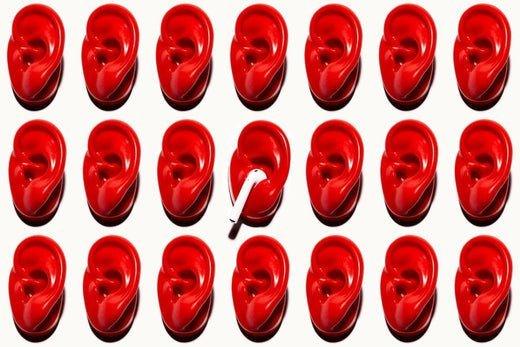
Earbuds do not automatically block less noise than over-ear headphones. A deeply sealing in-ear design can provide strong passive isolation, while a loose earbud can block very little. Over-ear isolation also varies with pad seal, glasses and cup construction.
| Design | Passive isolation | Main variable |
|---|---|---|
| Sealed in-ear | Can be strong | Tip fit/insertion depth |
| Open/vented earbud | Low by design | No full canal seal |
| Closed over-ear | Moderate to strong, model-dependent | Pad seal and cup design |
| Open-back over-ear | Very low | Designed to leak sound |
To separate fit from electronics, the headphone types guide compares in-ear, over-ear, open-ear, closed-back, and ANC designs.
ANC Is Separate From Passive Isolation
Active noise cancellation uses microphones and signal processing to reduce selected external noise. It is generally most effective on steady low-frequency noise, while passive seal remains important for higher-frequency sounds.
FAQ
Do foam ear tips isolate more?
They can improve seal for some ears, but fit and insertion matter. Silicone can also isolate well when correctly sized.
Are over-ear headphones always better for airplanes?
No. Strong ANC and comfort can make them convenient, but well-sealed ANC earbuds can also be effective.
Original Article Media


