
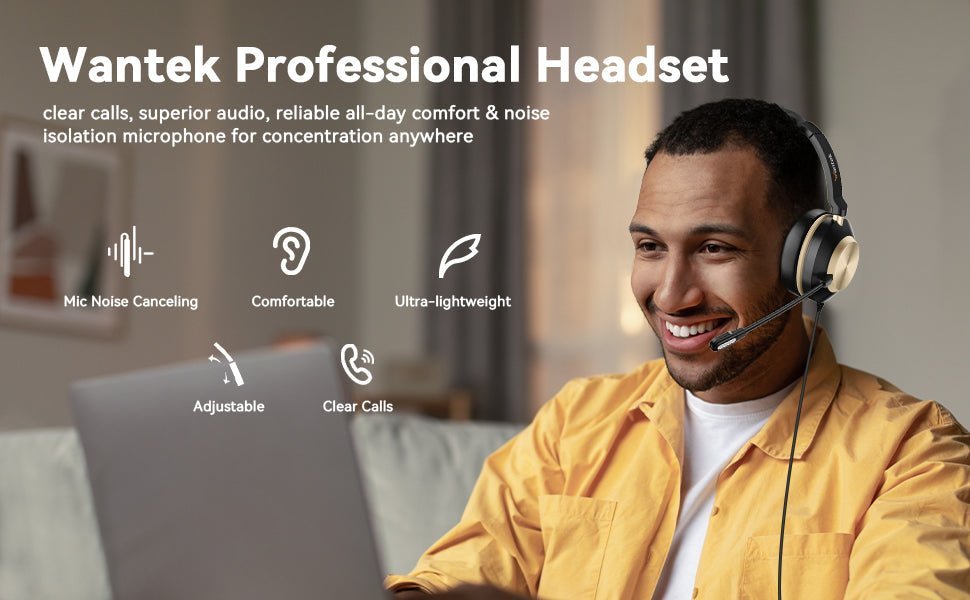
Wired headphones are not one connection standard. A 3.5 mm analog plug, USB-C digital headset and USB-A computer headset can all be “corded,” yet they rely on different audio paths and compatibility rules.
Match the source first. Check the device port, whether you need a microphone, and whether digital conversion happens inside the device, adapter or headset. Then compare fit, cable routing, controls and repairability.

| Connection | Typical use | Main compatibility check |
|---|---|---|
| 3.5 mm TRS | Stereo listening | Headphone output and plug size |
| 3.5 mm TRRS | Headset audio + mic | CTIA/OMTP wiring and combo-jack support |
| USB-C | Phones, tablets and laptops | Digital audio support and headset/adapter compatibility |
| USB-A | PC and office headsets | Operating-system and application support |
3.5 mm Is Still Useful
Analog 3.5 mm remains simple when the source includes a compatible jack. For headsets with microphones, the number and wiring of contacts matter. A plug can fit physically while the microphone still fails. If a headset microphone is involved, the TRS vs. TRRS connector guide explains why the number and wiring of contacts matter.

USB-C Can Include Its Own DAC
USB-C wired headphones or adapters may contain digital-to-analog conversion. A USB-C connector alone does not tell you whether an accessory expects analog passthrough or digital USB audio, so check the source-device requirements.

USB Headsets Are Built Around Computers
USB-A and USB-C office headsets can expose playback and microphone devices directly to the operating system. Inline mute and call controls may depend on the headset, driver, meeting platform or UC certification.

Cable Design Matters
Replaceable cables can extend product life, while fixed cables reduce connector count but make cable damage harder to repair. Also check cable length, connector strain relief and whether the plug clears a phone case.

Choose Fit Before Frequency Claims
Comfort, seal and ear-pad geometry can influence perceived sound more than a broad frequency-range number on a specification sheet. Use measurements and listening tests when available rather than treating a wider printed range as automatically better.


Frequently Asked Questions
Are wired headphones better than Bluetooth?
Not automatically. Wired avoids Bluetooth transmission, but overall sound and call quality still depend on the headphone, source, DAC, microphone and fit.
What is the difference between TRS and TRRS?
TRS commonly carries stereo audio, while TRRS can add a microphone contact for headset use. Wiring standards still need to match.
Do USB-C headphones work on every USB-C phone?
No. The phone and accessory must support compatible USB-C audio behavior.
Can I use a 3.5 mm headset on a phone without a jack?
Usually with a compatible USB-C or Lightning audio adapter that supports the needed headphone and microphone path.

