
La guerra delle console è sempre stata un dramma spettacolare. L'ho osservata per anni, dalle retrovie e dal divano. È uno scontro tra titani, una parata di scatole di plastica e una fonte di lealtà feroce e tribale. Per decenni, la PlayStation di Sony è stata un attore protagonista in questo teatro. Eppure, concentrarsi esclusivamente sull'hardware—l'elegante PS5, l'iconica PS1—significa perdere l'intera trama. La vera narrazione, quella con profonde ramificazioni finanziarie e culturali, è la meticolosa evoluzione del business della piattaforma Sony PlayStation. Non è una semplice storia di vendita di più unità. Si tratta di una trasformazione deliberata, a tratti ardua. L'obiettivo è costruire un ecosistema così completo, così radicato nel vostro intrattenimento quotidiano, che abbandonarlo diventi impensabile. Questa è la storia di tale metamorfosi.
La Trinità Fondativa: un modello di elegante semplicità
Per apprezzare il presente, dobbiamo prima riavvolgere il nastro. L'originale modello di business di Sony PlayStation era un capolavoro di economia lineare. Durante le ere di PS1 e PS2, operava su una trinità di pilastri. Questo quadro era elegante, potente e ingannevolmente semplice. Funzionava come un motore perfettamente bilanciato.
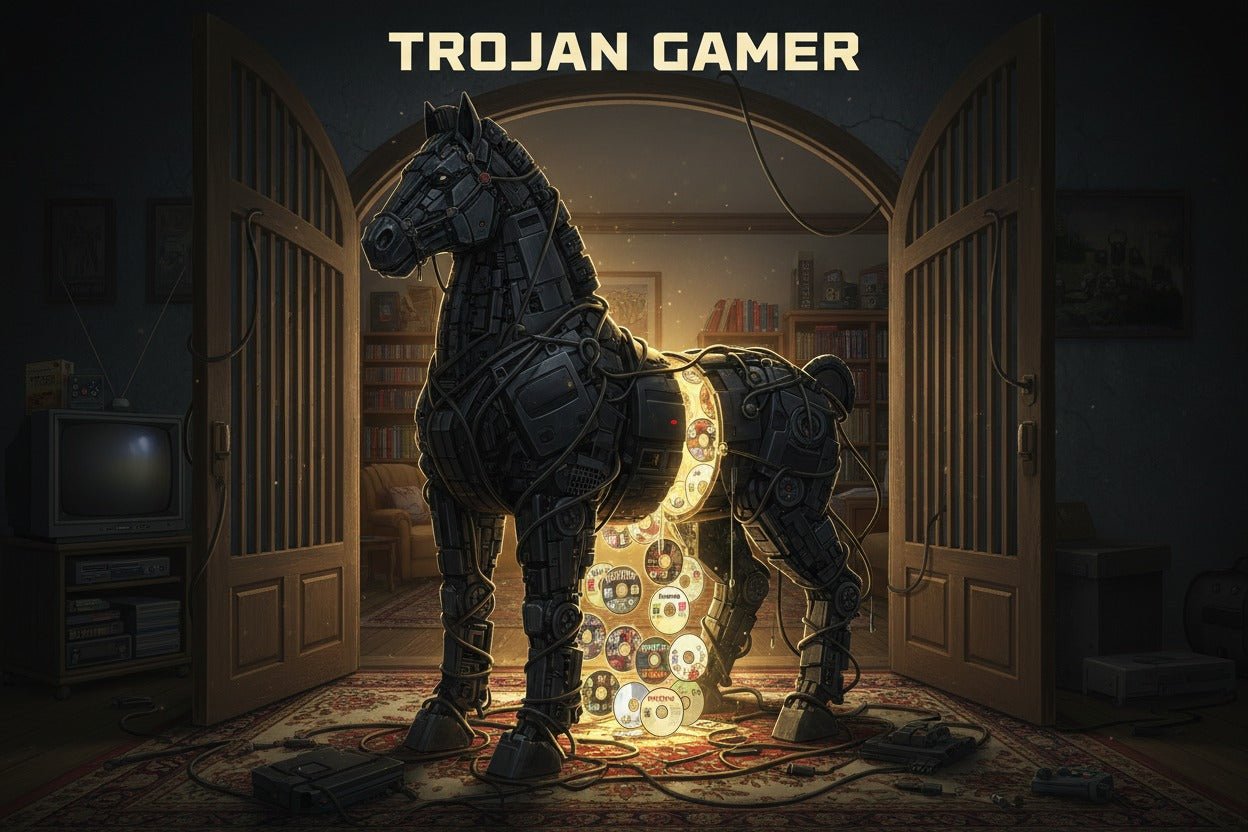
In primo luogo, c'erano le vendite hardware. Le console venivano spesso vendute in perdita. Questo concetto sconcerta chi è fuori dal settore. Si sussidia la scatola per farla entrare nelle case. La PS2 era una meraviglia tecnologica per il suo prezzo. Era un cavallo di Troia, un prodotto civetta per tutto ciò che sarebbe seguito. La console in sé era semplicemente la chiave. Apriva la porta d'ingresso di una casa molto più grande.
In secondo luogo, il software proprietario fungeva da cuore dell'impresa. È qui che Sony ha coltivato il suo mito. Studi come Naughty Dog, Insomniac Games e Guerrilla Games sono diventati potenze narrative. Non erano semplici sviluppatori; erano architetti culturali. Un gioco come God of War o The Last of Us ha fatto molto più che generare profitti. Ha definito le aspettative di una generazione. Ha venduto console e forgiato un legame emotivo con il giocatore. I margini qui erano, e rimangono, significativamente più sani rispetto all'hardware.
Terzo, il motore silenzioso: le royalties di terze parti. Per ogni disco di Call of Duty, FIFA o Grand Theft Auto venduto per PlayStation, Sony percepiva una commissione di licenza. Era una macchina a moto perpetuo. Una base installata più ampia attirava più editori terzi. Più editori significavano una piattaforma più attraente per i consumatori. Il ciclo si autoalimentava. Era un circolo virtuoso e autosufficiente di contenuti e commercio. Questo modello, in particolare con le incredibili oltre 155 milioni di unità vendute da PS2, è stato un trionfo. Era anche intrinsecamente fragile.
Le sue vulnerabilità erano nascoste in bella vista. Il modello era brutalmente ciclico. Era incatenato a un rinnovo dell'hardware di cinque-sette anni. I ricavi raggiungevano il picco al lancio, si stabilizzavano e poi tutti aspettavano. L'intero ritmo aziendale era dettato da questo orologio. Inoltre, era intensamente suscettibile alle interruzioni. Cosa succederebbe se un concorrente cambiasse le regole fondamentali? Il settore, come sempre, ha iniziato a spostarsi sotto i piedi di Sony.

La tempesta in arrivo: catalizzatori per un riallineamento fondamentale
La pressione per un profondo cambiamento nel business della piattaforma PlayStation è arrivata da più fronti. È stata una tempesta perfetta di cambiamenti tecnologici e culturali. La distribuzione digitale ha preso il sopravvento. Piattaforme come Steam hanno dimostrato una verità potente. I giocatori amano la comodità. Il rituale dello scambio di dischi fisici ha iniziato a sembrare arcaico. Poi, il gioco mobile è esploso sulla scena. Ha introdotto meccaniche free-to-play e microtransazioni a un pubblico colossale e globale. Il gaming non era più confinato in salotto. Era in tasca a chiunque.
Forse la sfida più diretta è arrivata da Microsoft. La loro iniziativa Xbox Game Pass è stata un cambio di paradigma. Ha inquadrato i giochi non come prodotti, ma come servizio. È nata l'analogia del "Netflix per i giochi". Ciò ha presentato una questione esistenziale. Il tradizionale modello basato su disco da 60 dollari poteva sopravvivere in un futuro dominato dagli abbonamenti?
Le reazioni iniziali di Sony sono state, col senno di poi, esitanti. Il lancio della PS3 è un caso di studio canonico sull'arroganza. Il suo famigerato prezzo di 599 dollari e lo sconcertante processore Cell sono stati passi falsi. Hanno regalato a Microsoft un immenso slancio. Eppure, questo inciampo è stato un maestro brutale e inestimabile. Ha forzato una resa dei conti sull'accessibilità e sulle relazioni con gli sviluppatori. L'era della PS4 è stata un ritorno magistrale. Si è concentrata incessantemente sui giocatori e sui creatori. Ma sotto la superficie, le fondamenta dell'attività stavano già scricchiolando. Il pivot strategico non era nell'hardware, ma nell'infrastruttura che lo circondava.
Il PlayStation Network si è evoluto. Non era più una semplice lista di amici. È diventato il sistema nervoso centrale. L'introduzione di PlayStation Plus è stata un colpo di genio. È iniziata come un paywall per il multiplayer online, una tattica controversa ma efficace. Senza volerlo, era un cavallo di Troia. Ha abituato milioni di persone alla mentalità dell'abbonamento. Allo stesso tempo, lo store digitale è cresciuto in importanza. Ogni vendita digitale significava che Sony tratteneva una quota maggiore. Il mercato dell'usato, un tempo una spina nel fianco, ha visto diminuire la sua influenza. I pezzi per un nuovo modello stavano andando al loro posto.
La metropoli moderna: un ecosistema di coinvolgimento ricorrente
Oggi, il business della piattaforma Sony PlayStation assomiglia a una metropoli vasta e dinamica. La console è il grattacielo iconico e maestoso al suo centro. Ma la vera vita della città esiste nei suoi diversi quartieri: i flussi di entrate ricorrenti e stratificati. Facciamo un giro turistico.
L'hardware come portale premium
La PS5 è una meraviglia tecnologica. Il suo SSD personalizzato e l'immersivo controller DualSense non sono solo specifiche su un foglio. Sono differenziatori esperienziali. La console viene ancora venduta con margini estremamente ridotti. Il suo ruolo primario ora è inequivocabile. È il portale ad alta fedeltà verso l'ecosistema PlayStation. Crea lealtà sensoriale. Una volta provati i grilletti adattivi in Returnal, altri controller sembrano inerti. Questo è un lock-in strategico, progettato attraverso l'esperienza.
Lo strato dell'abbonamento: PlayStation Plus reinventato
Il rebranding in livelli Essential, Extra e Premium è stato una risposta di mercato diretta, sebbene linguisticamente goffa. È un approccio ibrido e pragmatico. Essential rimane il riscatto per il multiplayer online. Extra e Premium sono le proposte di valore. Offrono un vasto catalogo a rotazione di giochi. Questo non è Game Pass. Le epopee narrative proprietarie di Sony non vengono lanciate al day-one sul servizio. Questa è una scelta deliberata e critica. Sony scommette sul fatto che giochi come God of War Ragnarök siano eventi culturali. Vale la pena pagare il prezzo autonomo di 70 dollari. L'abbonamento soddisfa un'esigenza diversa. Monetizza l'immensa libreria arretrata. Offre intrattenimento infinito tra un'uscita di punta e l'altra. È uno strumento di fidelizzazione, che garantisce che il vostro abbonamento non scada mai.
L'impero digitale: il taglio del 30%
Questa è la base finanziaria. Ogni transazione digitale sulla piattaforma contribuisce. Acquisti completi di giochi, contenuti scaricabili, skin estetiche in Fortnite: Sony ne trattiene una quota. Questo flusso di entrate è sbalorditivo per scala e redditività. Finanzia l'intera operazione. Paga l'infrastruttura server, la sicurezza e finanzia quei progetti proprietari artistici e rischiosi. Le battaglie legali sulle commissioni di piattaforma, come Epic contro Apple, hanno scosso Sony. Hanno evidenziato la precarietà di questo "giardino recintato". Difendere questa quota è un imperativo strategico di alto livello.
Il software proprietario come avanguardia culturale
Gli studi di Sony sono ora simili ad autori di televisione di prestigio. Producono contenuti che "bisogna assolutamente vedere". L'investimento è astronomico. Il guadagno trascende le vendite dirette. Guida l'adozione dell'hardware, consolida la fedeltà al marchio e genera prestigio premiato. Un franchise come The Last of Us è illustrativo. Non è più solo un gioco. È una potenza transmediale con un adattamento HBO di successo. Questo porta nuovo pubblico nell'orbita. Si tratta di gestione IP a lungo termine su larga scala.
Il perimetro si espande: PC, Mobile e oltre
Questa è la frontiera strategica più affascinante. Rilasciare God of War su PC anni dopo il suo debutto su PS4 è sembrato eretico ad alcuni. Non svaluta forse la console? Il ragionamento è più sfumato. È un puro flusso di entrate da un pubblico che potrebbe non acquistare mai una PlayStation. È marketing sofisticato. Trasforma i giocatori PC in fan dell'IP. Potrebbero proprio acquistare una PS6 per il sequel. Riconosce che il modello di business di Sony PlayStation è più grande di qualsiasi singolo dispositivo. Acquisizioni come Bungie e una divisione Mobile dedicata segnalano l'intenzione. Il futuro prevede esperienze live-service e titoli mobile accessibili. L'IP di PlayStation vivrà dove siete voi, alle vostre condizioni.
Attriti intrinseci e orizzonte competitivo

Nessuna strategia è priva di tensioni. L'elegante ecosistema di Sony deve affrontare stress interni ed esterni. Il prezzo di 70 dollari per i giochi proprietari risulta sempre più dissonante per alcuni. Esiste in un mondo condizionato dai buffet "tutto quello che puoi mangiare" degli abbonamenti. La dipendenza dalla commissione di piattaforma del 30% è sotto esame normativo globale. L'ambiziosa spinta verso il gaming live-service è un rischio monumentale. La reputazione di Sony è costruita su esperienze curate e guidate dalla narrazione. Sostenere un gioco live-service è una disciplina completamente diversa. Richiede contenuti costanti, gestione della community e un equilibrio delicato. Il cimitero dei giochi live-service falliti è grande e spietato.
La concorrenza incombe da ogni lato. Xbox Game Pass presenta un'alternativa convincente e orientata al valore. Nintendo continua a innovare nella sua corsia unica, spesso beatamente incurante della concorrenza diretta. Poi, ci sono i titani. Aziende come Apple e Meta possiedono risorse sbalorditive. Stanno investendo pesantemente in futuri alternativi: realtà aumentata, realtà virtuale e i propri paradigmi di app store. Le mura di ogni giardino vengono messe alla prova.
Consideriamo un utente ipotetico, "Sam", nel 2030. Sam possiede una PS6, sì. Ma il coinvolgimento di Sam nel business della piattaforma Sony PlayStation è multiforme. Gioca a una versione semplificata di Gran Turismo mobile durante il tragitto in treno. Il loro abbonamento mensile a PlayStation Plus Premium si rinnova automaticamente. Hanno acquistato l'ultimo sequel di Ghost of Tsushima a prezzo pieno, un evento al day-one. Nei fine settimana, si collegano al gioco cooperativo free-to-play Marvel’s Spider-Man con gli amici. Stanno valutando il PlayStation VR3 per una nuova esperienza esclusiva. Ogni singola interazione, dalla microtransazione al principale acquisto hardware, alimenta lo stesso ecosistema. Sam non è solo un cliente; è un residente della metropoli di PlayStation.
Il cambiamento nel business della piattaforma PlayStation è, in definitiva, un cambiamento di filosofia. È un passaggio da transazioni discrete a relazioni continue. Si tratta di costruire numerosi punti di contatto ricorrenti con un individuo. Questi punti di contatto si estendono ben oltre una singola scatola di plastica acquistata ogni sette anni. È il riconoscimento di un panorama mediatico frammentato. La vostra piattaforma deve essere fluida, multiformato e perpetuamente preziosa. La scommessa di Sony è chiara. Combinare la qualità impareggiabile dei blockbuster narrativi con l'ampiezza di un servizio in abbonamento. Aggiungere l'espansione su PC e mobile. Ancorare tutto con le entrate stabili del commercio digitale. Il risultato è un ecosistema progettato per la resilienza e il profondo coinvolgimento. La strategia è un'evoluzione calcolata. È il viaggio dalla vendita di giochi all'ospitare una vita videoludica. È una mossa incredibile da vedere svolgersi.
Domande frequenti: comprendere la strategia di business della piattaforma PlayStation di Sony
Qual è il fulcro della strategia di business PlayStation di Sony?
Come utilizza Sony le esclusive nella sua strategia?
Perché il PlayStation Network (PSN) è così importante per la strategia?
Come si estende la strategia di Sony oltre la console stessa?
Leggi di più
📖 Le migliori cuffie per volare: cancellazione del rumore e comfort
📖 Da 3,5 mm al jack per cuffie: la guida completa agli adattatori
📖 Come usare le cuffie Bluetooth con la TV: guida facile
📖 Guida alle cuffie verdi: le migliori scelte dai Beats alle Sony wireless
📖 Cos'è il Cyber Monday? Storia, date e migliori offerte
📖 Come impostare il trasferimento di chiamata su iPhone (Verizon e altri)
📖 Scopri le migliori cuffie con orecchie di gatto: guida definitiva wireless e Bluetooth
📖 Le migliori cuffie cablate con cancellazione del rumore 2025: le migliori scelte
📖 Le migliori cuffie da palestra 2025: le migliori scelte wireless e resistenti al sudore


1 commento
I love this article. I feel like I fully understand PlayStation’s business model. I’m glad you broke down their former business model with the earlier renditions of the PlayStation, the catalysts for change, and the philosophical evolution of Sony’s approach to the PlayStation. Bravo!