
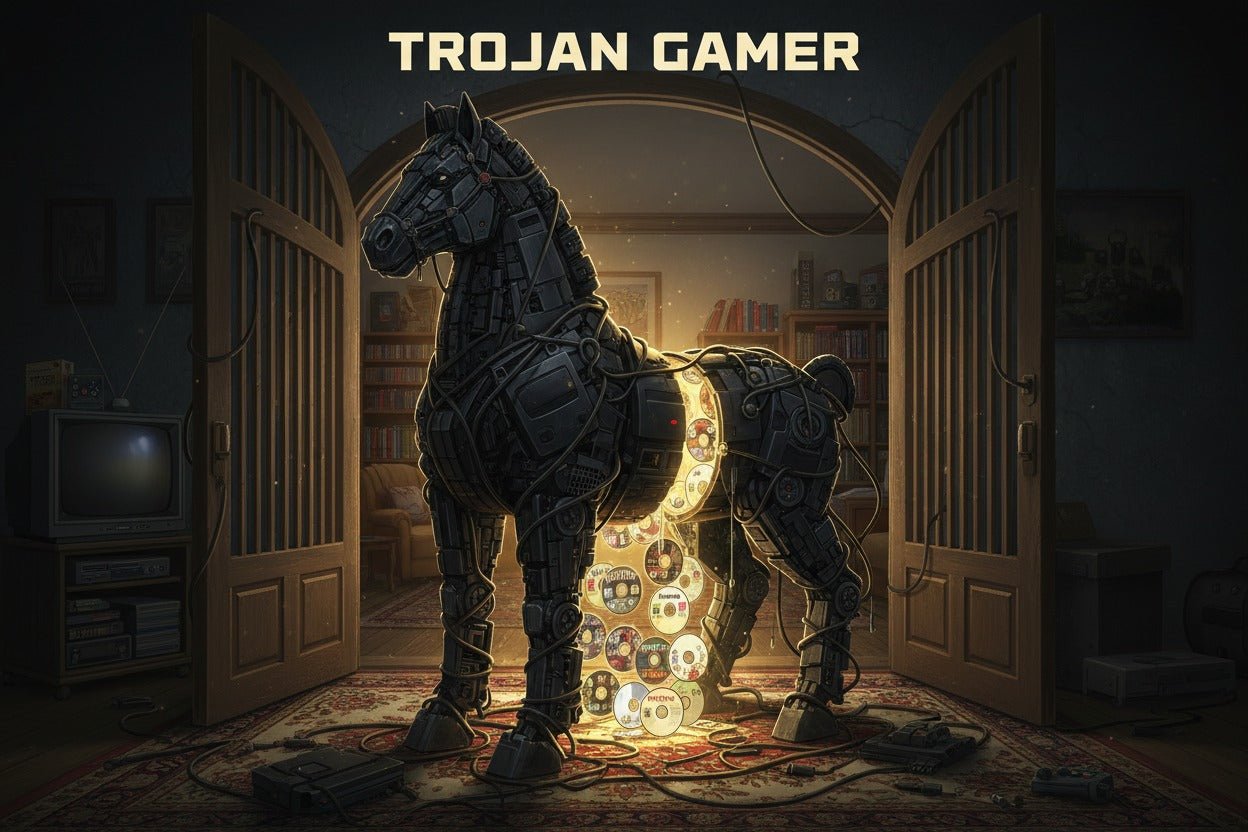
PlayStation is a platform business built around consoles, games, digital transactions and network services. Hardware brings players into the system; software and services give them reasons to keep using it. That relationship explains more than console sales alone.

The Main Parts of the Business
- Hardware: consoles and accessories provide the physical entry point. Do not assume every console generation or SKU is sold at a loss.
- Games: Sony publishes its own titles and hosts games from other publishers. First-party sales still have development, distribution and operating costs.
- Digital commerce: the PlayStation Store distributes games and additional content. A platform fee is not the same as profit, and commercial arrangements should not be reduced to an unsupported universal percentage.
- Subscriptions and network services: these add continuing services alongside individual purchases.
What Sony Says About the Platform
In its May 2026 corporate strategy discussion, Sony describes an entertainment focus and an active PlayStation user base. It also discusses film and television adaptations of game intellectual property. Those are reported corporate priorities, not proof that any individual initiative will succeed.
Sony maintains a June 2026 Game & Network Services meeting record for investors seeking the segment's current performance and strategy discussion. Use dated materials when evaluating the business, rather than treating a launch-era console narrative as today's financial model.

How to Read the Strategy
The platform's different businesses can reinforce one another: an attractive game can encourage hardware use, and an established player base can attract publishers. This is an interpretation of the platform model, not a measured attribution of revenue to a particular game.
Subscription access, ownership of an individual game and cloud availability are different products. Check the current regional service terms before drawing conclusions about which games are included, when they arrive or what remains playable after a membership ends.
What This Means for a Player
Compare the total cost of the games and services you actually use. A larger catalog does not establish that your preferred game is included, and a console purchase does not include every paid service.
Accessories require their own compatibility check. If your next decision is audio rather than investing in Sony, the PULSE 3D and PULSE Elite comparison examines documented headset connections and features separately from the platform business model.
Frequently Asked Questions
Does Sony Make Money Only From Consoles?
No. Games, digital content, subscriptions and network services also form part of the platform business. Revenue and profit should be assessed using the relevant dated financial disclosures.
Does an Exclusive Game Give Sony 100% Profit?
No. Revenue is not profit. Development, marketing, distribution and other costs remain relevant even when Sony publishes a game.
Is a Predicted Future Console a Current Product?
No. Treat unannounced hardware and hypothetical games as speculation, rather than using them as evidence of the current business.


1 comment
I love this article. I feel like I fully understand PlayStation’s business model. I’m glad you broke down their former business model with the earlier renditions of the PlayStation, the catalysts for change, and the philosophical evolution of Sony’s approach to the PlayStation. Bravo!