
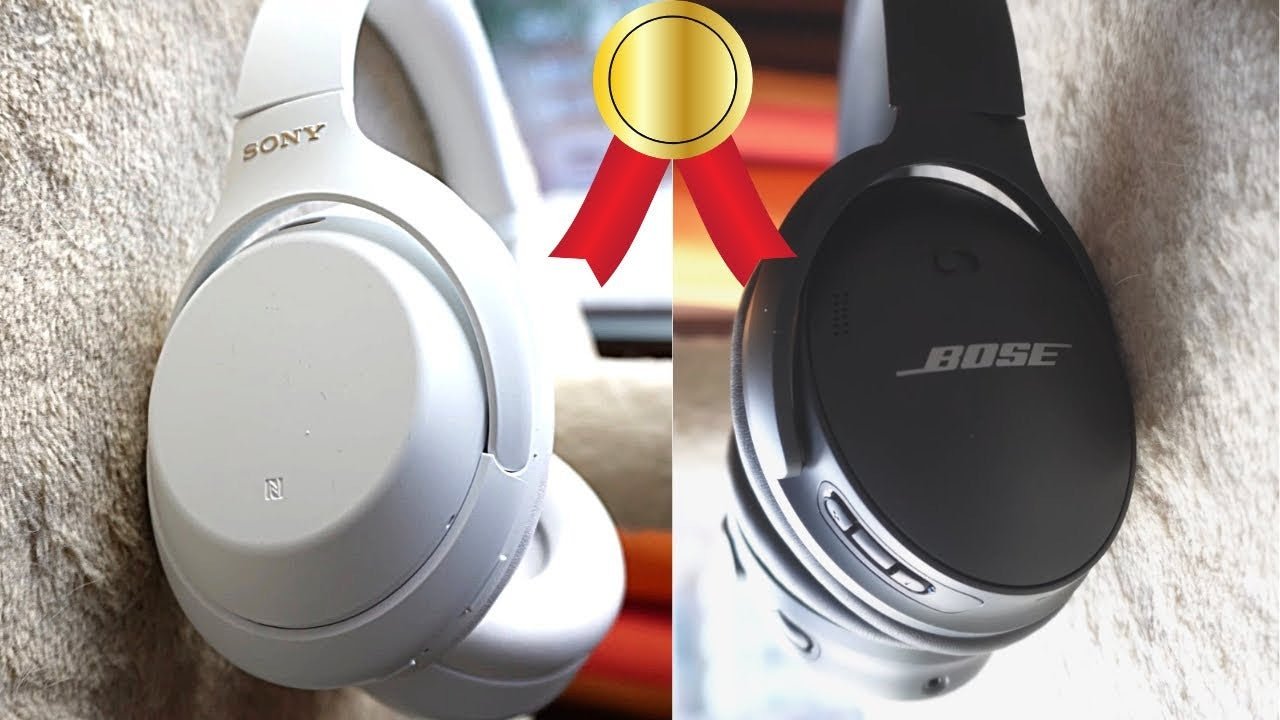
A useful Sony-versus-Bose earbud comparison starts with exact models and a real use case. Brand-level claims such as “best sound” or “best noise cancellation” hide differences in fit, controls, battery conditions, microphone behavior, and software.
Quick answer: Do not choose a winner from brand reputation alone. Compare the current Sony and Bose models on the phone you use, the environments where you listen, and the features you actually need.

Compare Exact Models, Not Brand Names
Sony and Bose refresh their earbud lines independently, so a fair comparison needs two named products sold at the same time. Check the manufacturer pages for the current generation before relying on an older review.
Battery Numbers Need Conditions
Sony’s official WF-1000XM5 specifications separate music playback and communication time and distinguish noise-canceling conditions. Use the same type of figure when comparing a Bose model.
Fit Can Change the Result
Seal and stability affect bass response, passive isolation, comfort, and how consistently an earbud sits during calls. A technically strong earbud is still a poor choice if the tip system does not fit your ears.
Check Phone and App Features
Multipoint, spatial features, codec support, device switching, and app controls can differ by model and operating system. Confirm the functions you need on the actual phone or computer you plan to use.
FAQ
Is Sony always better for sound quality?
No. Sound preference is subjective, and model tuning changes across generations. Compare the exact earbuds at matched volume if possible.
Is Bose always better for noise cancellation?
No fixed brand-level conclusion is reliable. Compare the exact current models, fit, firmware, and the types of noise in your environment.
Should price decide between Sony and Bose?
Price is useful only after the models meet your fit, device, call, and feature requirements. Promotions also change frequently.

