
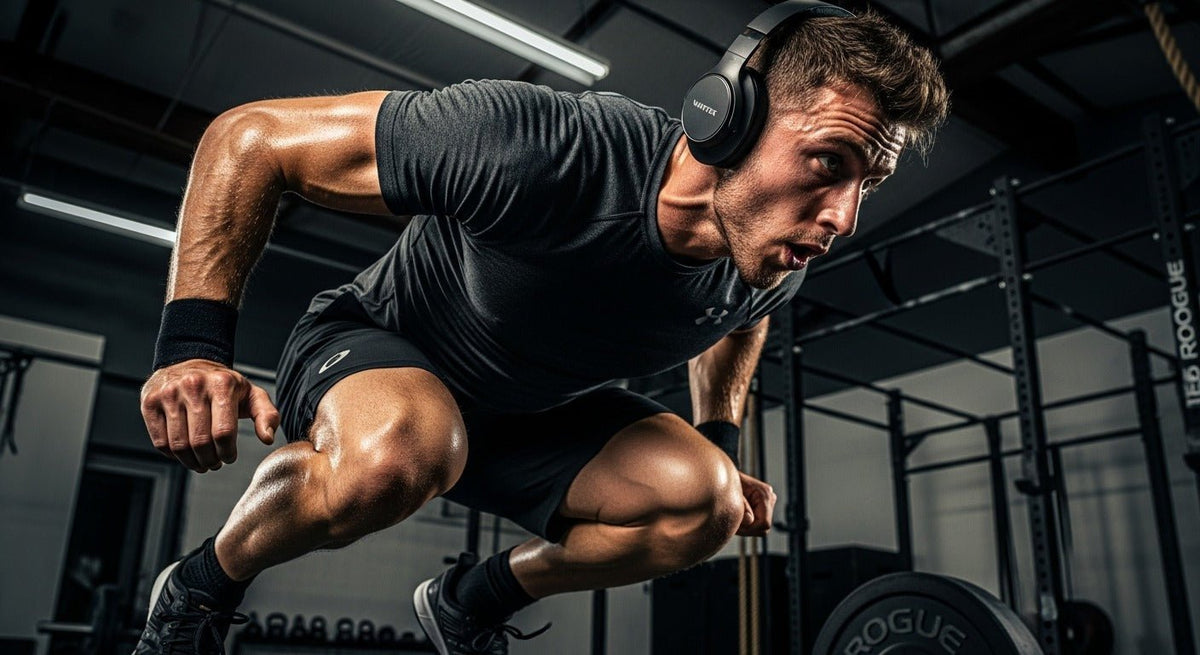
Over-ear headphones can work well for some workouts, but they are not automatically the best gym format. They make the most sense for lifting, walking, machines, and other lower-motion indoor sessions when you value full-size comfort, physical controls, or strong noise reduction. For running, HIIT, hot environments, or heavy sweating, lighter sport earbuds or open-ear designs are often easier to keep secure and dry.
Quick answer: Choose over-ear headphones for workouts only after checking three things: stability on your head, documented moisture protection, and heat buildup around the ear cups. Sound quality and ANC matter, but they cannot compensate for a headset that slips or is not designed for repeated sweat exposure.

Are Over-Ear Headphones Good for Working Out?
Yes, for the right type of training. Independent workout testing from RTINGS notes that over-ear models can be comfortable and usable for light to moderate exercise, while also highlighting their common drawbacks: extra heat, less stability during vigorous movement, and limited water resistance on many consumer models.
That makes the form factor a better match for exercises where your head stays relatively stable. Strength training, treadmill walking, elliptical sessions, and stationary cycling are usually easier use cases than sprints, burpees, boxing drills, or fast group classes.
Why Some People Prefer Over-Ear Headphones at the Gym
They avoid an in-ear fit
Some listeners simply dislike ear tips or the sealed feeling of earbuds. Over-ear cushions sit around the ears instead of inside the ear canal, so the comfort trade-off is different. The important question is not whether one format is universally more comfortable, but which pressure points, weight, and heat level work for you during movement.
Noise reduction can be useful indoors
Closed-back over-ear headphones often provide passive isolation, and many models add active noise cancellation. In a noisy gym, reducing background sound may also reduce the temptation to keep turning music up. The World Health Organization's safe-listening guidance recommends well-fitted or noise-cancelling headphones as one way to avoid compensating for noisy surroundings with excessive volume.
Music can support the workout experience
The benefit comes from the music, not specifically from the over-ear form factor. A 2020 meta-analysis of 139 studies found that music listening was associated with beneficial effects on affective response, perceived exertion, and physical performance across exercise and sport settings. In practical terms, the best workout headphones are the ones that let you use music comfortably and consistently without creating fit or durability problems.

Driver size is not a workout-quality score. A larger driver does not by itself prove better sound, stronger bass, better stability, or greater sweat resistance. Treat fit, protection, controls, and manufacturer use guidance as separate buying criteria.
The Main Trade-Offs of Over-Ear Workout Headphones
Heat and sweat build up faster
Full-size ear pads cover more skin than earbuds or open-ear designs. During cardio or training in a warm room, that enclosed area can feel hotter and retain more moisture. Breathable or fabric-covered pads may feel better for some users, but no cushion material eliminates the basic heat trade-off of a full-size closed cup.
Many everyday over-ears are not sport-rated
Do not assume that an expensive wireless headphone is sweat resistant. Check the exact product page or manual for an IP rating and for the manufacturer's permitted use. Under IEC 60529 ingress-protection testing, the second IP digit describes protection against water exposure; IPX4, for example, covers splashing water. That still does not mean every IPX4 product is designed for swimming, washing under a faucet, or unlimited sweat exposure.
Stability changes with the exercise
A fit that feels secure while standing can shift when you hinge forward, lie on a bench, jump, or turn your head quickly. Before relying on over-ear headphones for training, test the actual motions you perform. If the cups slide, the headband collides with a bench, or you keep readjusting the fit, the form factor is working against the workout.
Isolation is not always desirable outdoors
Strong passive isolation and ANC can be useful inside a gym, but outdoor running has a different requirement: environmental awareness. If your route includes traffic, bikes, crossings, or shared paths, consider a design that lets you monitor your surroundings more easily. Wantek's running-headphones guide starts with fit, awareness, water resistance, and route conditions rather than assuming one headphone type is right for every runner.

What to Look for in Over-Ear Headphones for Workouts
| Feature cluster | What to verify | Why it matters |
|---|---|---|
| Fit and stability | Headband adjustment, clamp, cup movement, and whether the headset stays put during your actual exercises. | A stable seated fit does not guarantee stability during running, floor work, or explosive movement. |
| Moisture protection | Manufacturer-stated IP rating, workout-use guidance, cleaning instructions, and warranty terms related to liquid exposure. | Many lifestyle over-ear headphones are not designed for repeated heavy sweat. |
| Comfort and heat | Weight, clamp pressure, pad material, pad depth, and how warm the cups feel after 20–30 minutes of movement. | Heat and pressure that feel minor at a desk can become distracting during exercise. |
| Controls and power | Easy-to-find physical controls, reliable wireless connection, and enough battery for your normal training schedule. | Workout controls should reduce fiddling with a phone rather than add friction between sets. |
Match the Headphone Type to the Workout
Over-ear: strongest fit for people who dislike in-ear products and mainly lift, walk, or use machines. Expect more heat and bulk.
Sport earbuds: usually easier to secure for running, HIIT, and fast movement, especially when they use wings or ear hooks and have documented moisture resistance.
Open-ear or bone-conduction: useful when leaving the ear canal open is important, particularly outdoors. They trade some isolation for greater access to surrounding sound. For a format-by-format comparison, see Wantek's open-ear headphone guide.
How to Use Over-Ear Headphones at the Gym Without Wrecking Them
Check the manufacturer's moisture guidance first.
If the product has no documented workout or ingress-protection claim, treat sweat exposure conservatively.
Test stability with the movements you actually perform.
Try a hinge, squat, bench position, quick head turn, and a few light hops before committing to a full session.
Wipe away visible moisture after training.
Use the cleaning method specified for the headphone and pad material. Do not assume alcohol, soap, or running water is safe for every model.
Let the pads dry before closing them in a case.
Trapping damp cushions in a closed case keeps moisture against the materials longer than necessary.
Bottom Line
Over-ear headphones are not a must-have for workouts, and they are not the best choice for every athlete. They are a valid option when your training is relatively low-motion, you prefer a full-size fit, and the exact model can handle your level of sweat and movement.
For high-impact exercise, hot conditions, outdoor running, or heavy sweating, a sport earbud, ear-hook, clip-on, or open-ear design is often the more practical tool. If you still want full-size headphones, compare models on stability and documented moisture protection before comparing ANC, Bluetooth versions, or driver size.
Compare Current Over-Ear Exercise Options
If the full-size format still fits your routine, compare five current over-ear options by moisture protection, exercise fit, and key limitations.
Frequently Asked Questions
Are over-ear headphones good for the gym?
They can be, especially for lifting, walking, machines, and moderate indoor training. For high-motion workouts, the extra weight, heat, and potential for slipping can make sport earbuds or open-ear designs more practical.
Can sweat damage over-ear headphones?
Yes, particularly when a model has no documented moisture protection. Check the exact IP rating and manufacturer care instructions, then wipe and dry the headphones after training instead of storing them damp.
Is noise cancellation useful during workouts?
ANC can reduce steady background noise in a gym, but it does not improve fit or sweat resistance. Outdoors, strong isolation can also make it harder to monitor traffic and other people.
Are over-ear headphones good for running?
They can work for some runners, but they are usually less stable and hotter than purpose-built running headphones. Route awareness and moisture protection also matter more outdoors.
What IP rating should workout headphones have?
Use the exact manufacturer rating and use guidance rather than a universal minimum. IPX4 addresses splashing water, but it does not automatically make a headphone suitable for swimming or unrestricted liquid exposure.

