
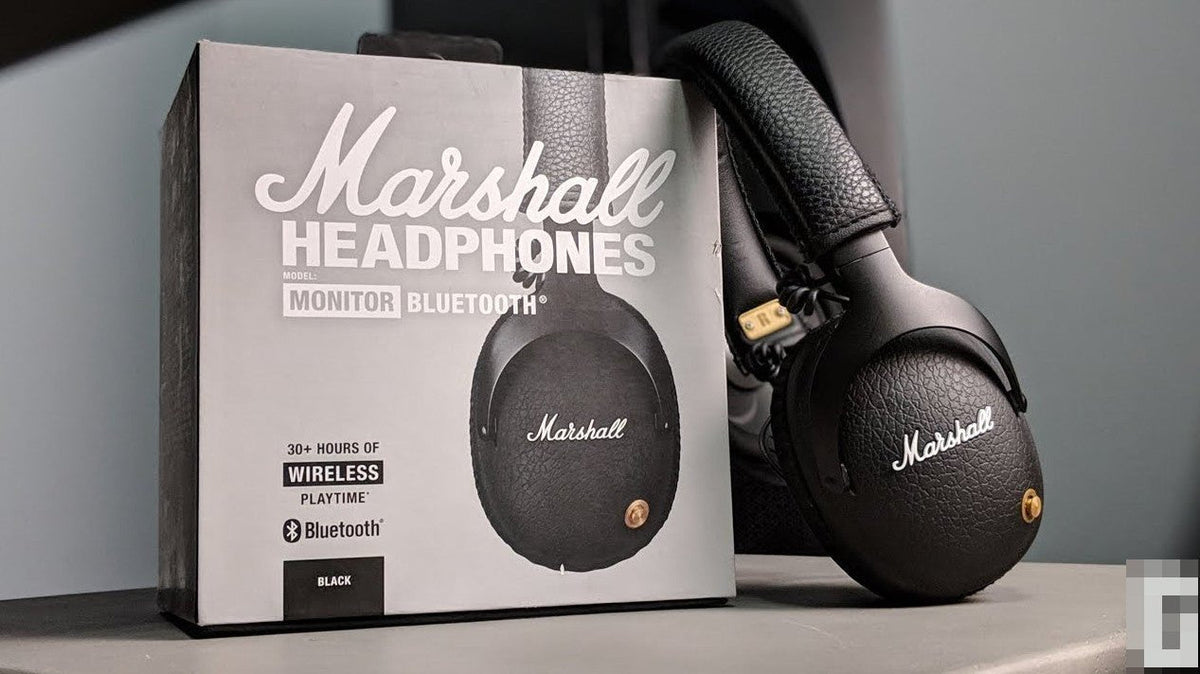
Marshall’s visual design is easy to recognize, but choosing a headphone still comes down to ordinary engineering and workflow questions: on-ear or over-ear fit, Bluetooth behavior, wired backup, noise control, battery conditions, and comfort.
Quick answer: Start with Marshall’s current headphone lineup, then narrow by wearing style and connection. Do not rely on an old “best Marshall model” list if the lineup has changed.

Check the Current Lineup First
Marshall’s current headphones page is the right starting point for models that are actually being sold in your market. Availability, colors, and bundles can change.
On-Ear and Over-Ear Fit Differ
An on-ear design rests on the outer ear; an over-ear design surrounds it. Clamp, pad shape, heat, and glasses interaction can make either style comfortable or uncomfortable depending on the listener.
Separate Noise Control From Microphone Performance
Active noise cancellation changes what the wearer hears. It does not by itself prove that outgoing voice quality is strong, so frequent callers should also check microphone samples and call controls.
Treat Battery Claims as Conditional
Published battery life depends on features such as ANC, volume, radio conditions, and use pattern. Compare like-for-like test conditions and keep enough margin for long days.
FAQ
Which Marshall headphones are best?
There is no universal model. The answer depends on fit, ANC needs, wired backup, battery priorities, and the devices you use.
Do all Marshall headphones have ANC?
No. Noise-control features vary by model, so verify the exact current product specification.
Can Marshall Bluetooth headphones also use a cable?
Some models offer wired playback, but the connector and passive-mode behavior are model-specific. Check the current product page.

