
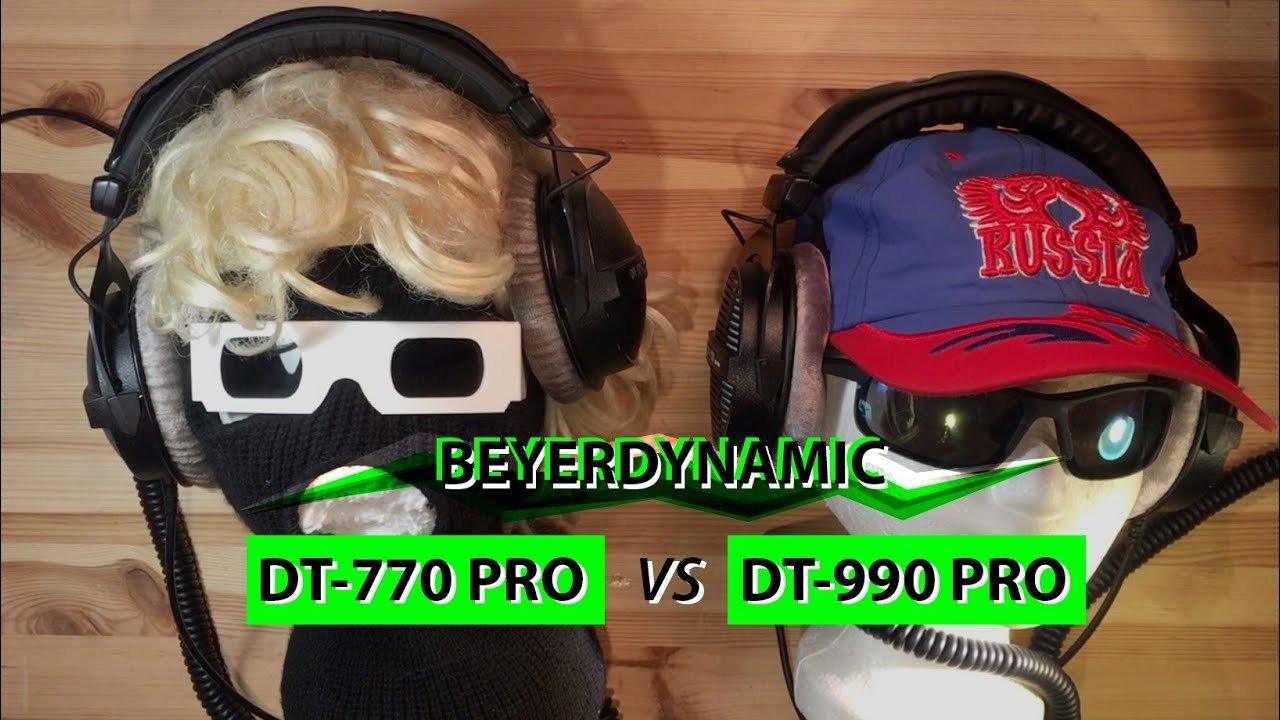
For studio work, the DT 770 PRO vs DT 990 PRO decision is mostly closed-back versus open-back. DT 770 PRO is the practical tracking choice when microphone bleed and room noise matter; DT 990 PRO is intended for critical listening in a quiet environment.
| Task | DT 770 PRO | DT 990 PRO |
|---|---|---|
| Vocal/instrument tracking | Better fit because closed cups reduce leakage | Open leakage can enter a microphone |
| Editing/critical listening | Useful when isolation is needed | Open design is the intended role |
| Shared/noisy room | More practical | Poor isolation |
| Quiet home/studio | Closed presentation | Open presentation |
Beyerdynamic lists DT 770 PRO as closed and offers 32/80/250-ohm variants; the classic DT 990 PRO is open and currently listed at 250 ohms.
For the broader sound/design comparison, see Wantek's DT 770 vs DT 990 guide.
FAQ
Which is better for recording vocals?
DT 770 PRO is usually the practical choice because its closed design reduces headphone bleed into the microphone.
Which is better for quiet-room editing?
DT 990 PRO is designed for open-back critical listening, provided leakage and isolation are not concerns.
Original Article Media


