
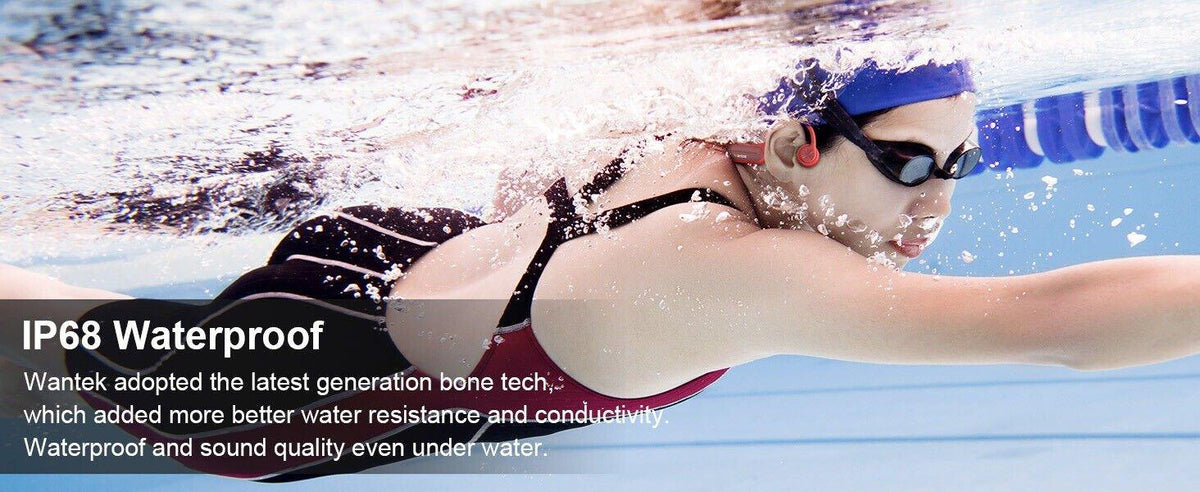
Swimming ear plugs have one main job: help keep water out of the ear canal while remaining secure and comfortable in the water. They are different from waterproof headphones and different again from hearing-protection earplugs used for hazardous noise.
Quick answer: Choose swimming ear plugs by seal, comfort, retention, hygiene, and the type of swimming you do. CDC guidance includes ear plugs or custom swim molds as options for keeping ears dry.

Start With a Water Seal, Not an Audio Feature
The CDC recommends keeping ears as dry as possible and lists ear plugs or custom-fitted swim molds among the options that can help. See the CDC's swimmer's ear prevention guidance.
| Decision area | What to check | Why it matters |
|---|---|---|
| Seal | Correct size and secure contact at the ear canal entrance | A loose plug can move or let water enter during swimming. |
| Retention | Low-profile fit, stem shape, cord, or custom mold as appropriate | Movement from strokes, caps, or goggles can dislodge a poorly retained plug. |
| Care | Cleaning, drying, storage, and replacement instructions | Reusable plugs need routine care so residue and moisture do not build up. |
Reusable, Moldable, and Custom Options Solve Different Fit Problems
Preformed reusable plugs are convenient when the supplied size matches your ears. Moldable silicone products can conform around the ear opening. Custom swim molds are made for an individual ear and may be worth considering when standard plugs repeatedly leak or create pressure.
A Swim Cap Can Add Retention, Not Replace the Seal
A cap can help hold low-profile plugs in place and reduce direct water flow around the ear. It does not turn a poor-fitting plug into a watertight one. Test the fit during normal head movement before relying on it for a full swim.
Dry the Ears After Swimming
CDC guidance also recommends drying ears thoroughly after swimming or showering. Tilt the head so water can drain and dry the outer ear. Avoid inserting objects into the ear canal.
For the broader moisture-control routine after swimming, see the swimmer's ear prevention guide.
Do Not Treat Every “Waterproof” Product as a Swimming Ear Plug
Audio earbuds, bone-conduction headphones, hearing-protection plugs, and swim ear plugs have different jobs. Check the product category and manufacturer instructions for the intended water exposure rather than assuming an IP rating or “waterproof” label means the product is designed to seal the ear canal.
Frequently Asked Questions
Do ear plugs help prevent swimmer's ear?
They can help keep the ear canal dry. CDC guidance lists ear plugs and custom-fitted swim molds as options, together with drying the ears thoroughly after water exposure.
Can I use ordinary foam earplugs for swimming?
Use a product intended by its manufacturer for water use. Noise-reduction foam plugs and swimming plugs are designed for different purposes and fit conditions.
Should swimming ear plugs block all sound?
Their primary job is water management, not maximum noise attenuation. Follow the product's intended use and do not assume a swim plug is certified hearing protection.

