
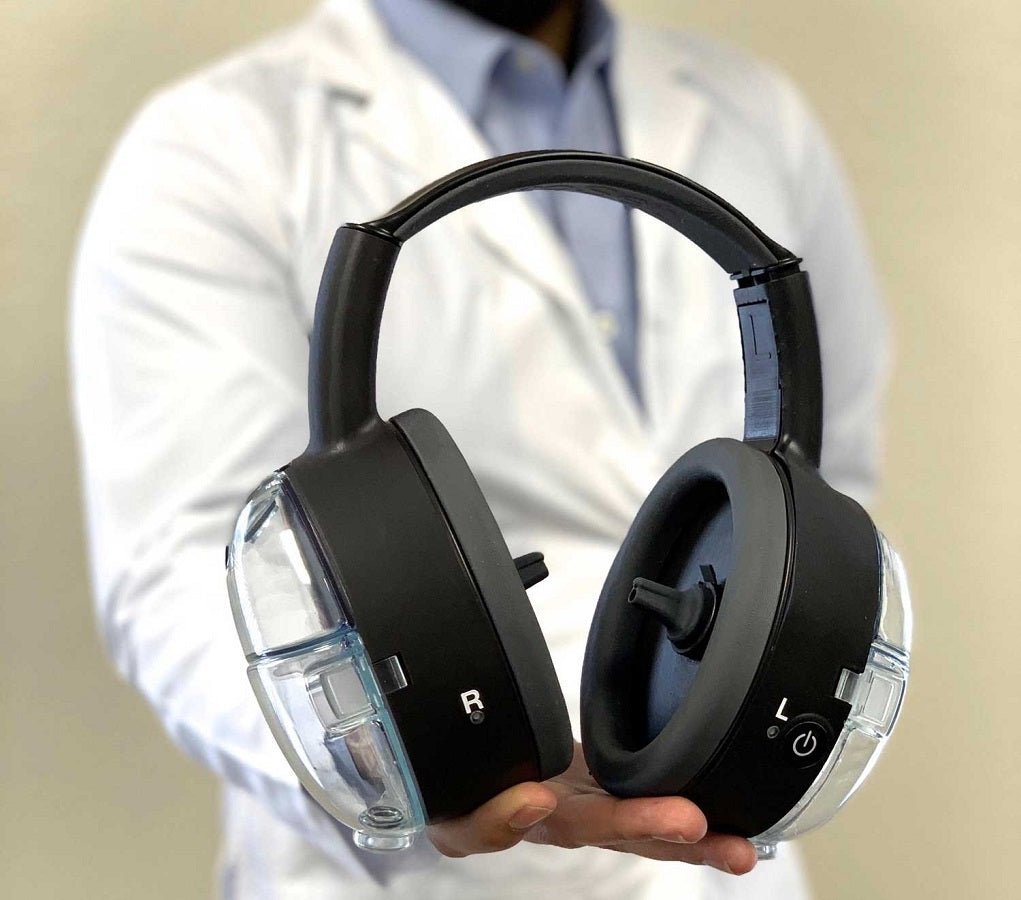
“Ear cleaning headphones” usually refers to OtoSet, a clinical earwax-removal device that looks like a headset but does not play audio. It combines controlled irrigation with suction to remove cerumen from the external ear canal. The important distinction is that OtoSet is a professional medical device, not a consumer gadget for routine at-home cleaning.
Quick answer: most ears do not need aggressive cleaning. Earwax normally protects the ear canal and often clears on its own. If wax becomes impacted, current medical guidance favors appropriate softening, irrigation, manual removal, or suction based on the person's ear history and examination. Avoid inserting cotton swabs, hairpins, cameras, or other tools into the canal to dig wax out.
What Are “Ear Cleaning Headphones”?
The best-known product in this category is OtoSet. Its headset-like frame holds two ear units that deliver irrigation solution and collect fluid and wax. The FDA's 510(k) summary identifies OtoSet as an automated ear irrigation device for removing cerumen from the external ear canal of adults.
That does not make it a listening headset. The “headphones” description comes from the shape of the device, not from an audio function.

Is OtoSet FDA Cleared?
Yes. FDA 510(k) record K201877 describes OtoSet as a Class I irrigating-syringe device intended for adult earwax removal. The current OtoSet website presents it as a clinical system used by trained staff and directs consumers to book treatment at certified clinics rather than buy the device for routine home use.
“FDA cleared” is a specific regulatory status. It should not be rewritten as “FDA approved,” and it does not mean every person with ear discomfort should use the device.
How Does OtoSet Work?
The FDA summary describes disposable ear tips and waste containers mounted in two ear units. Current OtoSet materials describe the procedure as combining irrigation with suction so fluid and loosened wax can be collected during treatment.
Because this is a clinical earwax-removal system, the relevant comparison is with other professional cerumen-removal methods—not with Bluetooth headphones, earbuds, or consumer audio gear.
What About Home Ear-Cleaning Machines and Camera Tools?
Home products include bulb irrigators, ear drops, camera-equipped ear picks, and small suction devices. Their presence on retail sites does not establish that they are appropriate for every ear or every symptom.
Mayo Clinic notes that many home irrigation and ear-vacuum kits are not well studied and may not work or may be dangerous. It also advises against digging out wax with cotton swabs, paper clips, hairpins, or similar objects because they can push wax deeper or injure the ear canal or eardrum.
| Approach | What it does | Key limitation |
|---|---|---|
| Professional irrigation or suction | Removes excess or impacted wax under direct clinical assessment | Method depends on ear history, examination, and contraindications |
| Wax-softening drops | Can soften wax so it leaves more easily or can be removed | Use only as directed; not appropriate for every ear condition |
| Home bulb irrigation | Uses warm water to flush softened wax in selected cases | Should not be used when a perforation, ear tube, infection, or other contraindication may be present |
| Camera picks / swabs / rigid tools | Attempt to manually remove wax | Can push wax deeper or damage the canal or eardrum |
| Ear candles | Claim to draw out wax using heat and a hollow candle | Not recommended; can burn or injure the ear and has not been shown to remove wax effectively |
Earwax Is Usually Protective, Not a Hygiene Failure
Earwax helps clean, coat, and protect the ear canal. For many people, wax naturally moves toward the ear opening and does not need to be removed from deep inside the canal.
Feeling blocked, having ear pain, noticing drainage, tinnitus, dizziness, or hearing changes does not prove that wax is the cause. Those symptoms can have other explanations, which is why examining the ear matters before aggressive removal.
When Professional Earwax Removal Makes More Sense
Professional evaluation is especially relevant when wax is hard or deeply impacted, symptoms persist, the ear has a history of surgery or eardrum perforation, tubes are present, or there is pain or drainage. A clinician can inspect the canal and choose among curette removal, suction, irrigation, or softening agents as appropriate.
For people who repeatedly develop impaction, a clinician can also give a maintenance plan instead of relying on repeated self-cleaning with tools.
What Does OtoSet Cost?
OtoSet is currently presented to consumers as a professional service rather than a normal retail home device. Treatment pricing varies by clinic and promotion. Some OtoSet clinic pages have advertised appointments around US$99, but that is a service price, not the purchase price of the clinical device.
For current cost and availability, use the official OtoSet clinic finder or contact the clinic directly. Old articles quoting a device purchase price can be misleading because professional equipment packages, disposables, and service pricing change.
Cleaning Your Ears Is Different from Cleaning Your Headphones
If the actual problem is wax, sweat, or skin debris on ear pads or earbud tips, clean the audio gear rather than inserting cleaning tools deeper into the ear canal. Wantek's guide to headphone comfort and pad hygiene explains basic care for protein-leather, velour, fabric, and removable tips.
Keeping the surfaces that touch your skin clean is a sensible maintenance habit. It does not require removing normal protective earwax from deep in the canal.
Bottom Line on Ear Cleaning Headphones
OtoSet is a real FDA-cleared clinical earwax-removal system, but the headset appearance can make the category sound more consumer-friendly than it is. It is not a music headset and it is not a reason to routinely clean healthy ear canals.
For home care, the safest decision starts with knowing whether wax is actually the problem and whether irrigation or drops are appropriate for your ear. Avoid tools that depend on digging, scraping, or pushing material deeper into the canal.
Frequently Asked Questions
Are OtoSet ear cleaning headphones sold for home use?
The current OtoSet site directs consumers to professional clinic appointments. Its FDA documentation describes it as an automated ear irrigation device for adult cerumen removal.
Are cotton swabs safe for removing impacted earwax?
Medical guidance advises against digging wax out with cotton swabs because they can push it deeper and can injure the canal or eardrum.
Are ear vacuum machines proven to work?
Mayo Clinic says many home irrigation and ear-vacuum kits are not well studied, so effectiveness and safety should not be assumed from product marketing alone.
Is ear candling a safe alternative?
No. Ear candling is not recommended; evidence does not show that it removes wax effectively, and it can cause burns or ear injury.


1 comment
Hi are you offering services or selling the equipment to professionals. Ty