
Le caratteristiche delle cuffie a cancellazione del rumore sono rilevanti solo quando risolvono un problema reale. La cancellazione attiva del rumore può ridurre parte dei suoni esterni per chi ascolta, ma la potenza dell'ANC, la qualità del microfono, la modalità trasparenza, il multipoint, la durata della batteria, i codec, l'audio spaziale e la riparabilità sono funzionalità distinte. Prendere una decisione d'acquisto migliore significa separare queste funzioni invece di considerare ogni etichetta "premium" come un unico pacchetto.
Risposta rapida: Inizia dalle prestazioni dell'ANC e dalla vestibilità, poi controlla la modalità trasparenza, la durata della batteria nella modalità che utilizzerai, il comportamento del microfono e il passaggio tra i dispositivi. Considera l'audio spaziale, i codec avanzati, il suono personalizzato e la riparabilità come caratteristiche secondarie, a meno che non corrispondano direttamente al tuo flusso di lavoro.

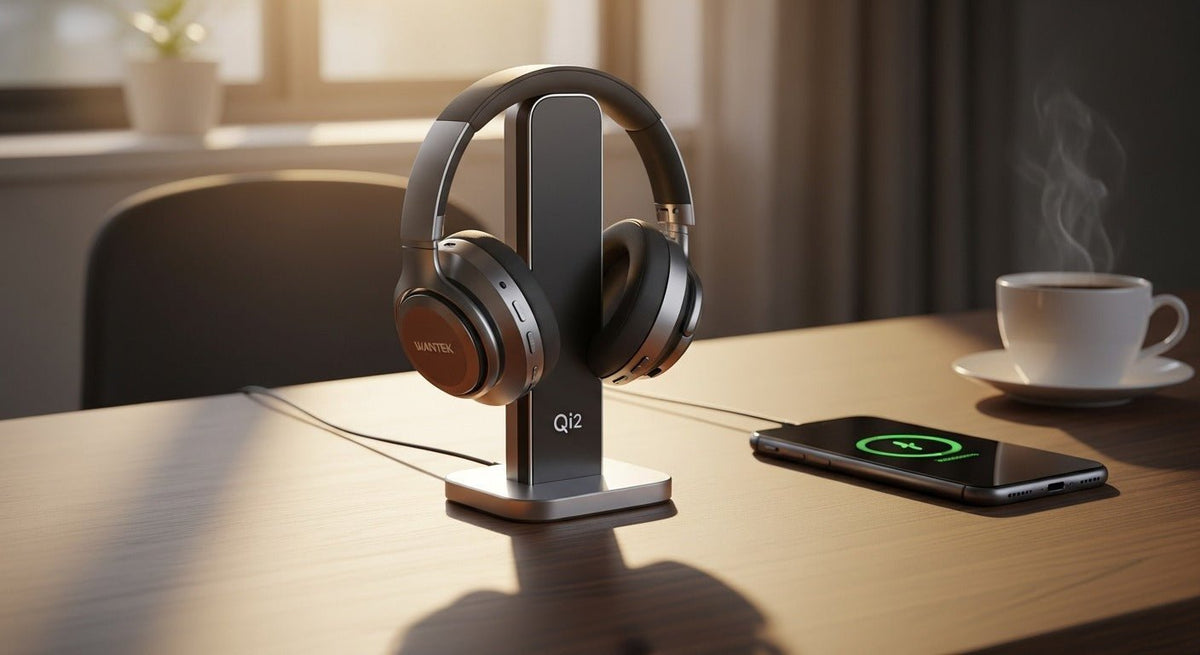
La disponibilità delle funzioni dipende dal modello. Un'immagine del prodotto, la versione Bluetooth, il connettore di ricarica o un termine di marketing non garantiscono il supporto per la ricarica Qi/Qi2, il multipoint, l'ANC adattiva, l'audio spaziale o qualsiasi altra funzione specifica. Verifica sempre le specifiche esatte del prodotto.
1. Cancellazione Attiva del Rumore (ANC): La funzione principale
La cancellazione attiva del rumore utilizza microfoni ed elaborazione del segnale per rilevare i suoni indesiderati e generare un segnale opposto che riduce parte di ciò che raggiunge le tue orecchie. È particolarmente utile contro il rumore a bassa frequenza costante e ripetitivo, come il ronzio di un motore o dell'aria condizionata. È generalmente meno efficace contro suoni irregolari a frequenza più alta, come le voci nelle vicinanze.
La spiegazione dell'ANC di Sennheiser nota inoltre che le prestazioni variano in base al modello e a quanto bene le cuffie aderiscono alla testa. Ecco perché l'etichetta ANC da sola non è sufficiente per confrontare due prodotti.
L'isolamento passivo è ancora importante
L'ANC e l'isolamento passivo svolgono compiti diversi. L'isolamento passivo deriva dalla tenuta fisica creata dai padiglioni auricolari o dai gommini. Una cattiva tenuta può ridurre l'efficacia del sistema di controllo del rumore nel suo complesso, mentre un buon isolamento può essere d'aiuto anche quando l'ANC è spenta.
Se stai cercando un prodotto per le chiamate di lavoro, tieni separata l'ANC per l'ascoltatore dalla riduzione del rumore del microfono. La guida di Wantek alle cuffie con cancellazione del rumore per lavoro spiega perché ridurre il rumore che senti non è la stessa cosa che ridurre il rumore che gli altri sentono attraverso il tuo microfono.
2. ANC Adattiva e Modalità Trasparenza
L'ANC adattiva modifica l'intensità o il comportamento del controllo del rumore in base alle condizioni rilevate dalle cuffie. Le modalità trasparenza, ambiente o hear-through svolgono il compito opposto: utilizzano i microfoni per permettere a più suoni esterni di raggiungerti senza che tu debba rimuovere le cuffie.
Queste caratteristiche non sono universali e non sono identiche tra i vari marchi. Ad esempio, la documentazione attuale di Apple sulle modalità di ascolto distingue la Cancellazione Attiva del Rumore, la modalità Trasparenza e l'Audio Adattivo come modalità separate sui modelli di AirPods supportati.

Le etichette dei processori non sono punteggi di prestazioni. Un chip dedicato, un'etichetta "AI" o un numero maggiore di microfoni possono descrivere un'implementazione, ma nessuna di queste specifiche garantisce da sola un'ANC più potente o chiamate più chiare.
3. Durata della batteria e ricarica: Confronta l'esatta modalità operativa
Le dichiarazioni sulla durata della batteria necessitano di contesto. L'ANC attiva o disattiva, la modalità trasparenza, il tempo di conversazione rispetto alla riproduzione musicale, la scelta del codec, il livello del volume e altre funzioni possono modificare l'autonomia. Confronta il dato per la modalità operativa che prevedi di utilizzare realmente, invece di dare per scontato che un numero di riferimento sulla batteria si applichi a ogni situazione.
Anche la ricarica varia a seconda del modello. La ricarica USB-C è comune, ma l'audio USB cablato, la ricarica rapida, la ricarica wireless e il supporto Qi/Qi2 sono funzionalità separate. Se una funzione di ricarica è importante per te, confermala nella documentazione del prodotto invece di dedurla dal connettore o dalla forma di un supporto.
4. Multipoint e passaggio tra dispositivi
Il multipoint è prezioso quando utilizzi regolarmente un laptop e un telefono con le stesse cuffie. Sui modelli supportati, può mantenere collegati due dispositivi sorgente e rendere il passaggio più semplice rispetto alla disconnessione e riconnessione manuale del Bluetooth ogni volta.
Tuttavia, "Bluetooth" non significa automaticamente "multipoint". La documentazione di supporto multipoint di Sony tratta esplicitamente la connessione simultanea a due dispositivi come una funzione che deve essere supportata e abilitata sulle cuffie compatibili.
5. La qualità del microfono è una decisione d'acquisto separata
L'ANC delle cuffie è progettata principalmente per ciò che sente chi le indossa. La qualità delle chiamate dipende da una catena diversa: posizionamento del microfono, design dell'array di microfoni, elaborazione del segnale, gestione del vento, dispositivo collegato e applicazione utilizzata per la chiamata.
Questa distinzione è importante per il lavoro ibrido. Una cuffia premium per l'ascolto può avere un'ANC potente ma essere comunque una scelta peggiore per le chiamate rispetto a una cuffia professionale con un braccetto microfonico ben posizionato e comandi di disattivazione affidabili. Il numero di microfoni, di per sé, non è un verdetto sulla qualità della chiamata.
6. Codec Bluetooth e LE Audio
Il supporto dei codec influisce sul modo in cui l'audio Bluetooth viene codificato e trasmesso, ma sia le cuffie che il dispositivo sorgente devono supportare la stessa opzione affinché tu possa utilizzarla. L'etichetta di un codec non sostituisce gli aspetti fondamentali: vestibilità, sintonizzazione, prestazioni dell'ANC, affidabilità della connessione e comportamento del microfono rimangono essenziali.
Il Bluetooth LE Audio introduce il codec LC3. La specifica LC3 del Bluetooth SIG definisce l'LC3 come un codec efficiente per applicazioni vocali e musicali. Il supporto per LE Audio o LC3 dovrebbe comunque essere verificato sulle cuffie specifiche e sul dispositivo sorgente, anziché dedotto solo dal numero di versione del Bluetooth.
7. Audio spaziale, head tracking e suono personalizzato
L'audio spaziale e l'head tracking possono modificare il modo in cui film, giochi o musica compatibili vengono riprodotti, mentre l'equalizzazione personalizzata o i profili uditivi possono modificare la sintonizzazione per un singolo ascoltatore. Queste possono essere funzioni utili, ma non sono misure della potenza dell'ANC.
Quando queste funzioni sono importanti, verifica tre aspetti: se le cuffie le supportano, se il tuo telefono o computer le supporta e se l'app o il formato del contenuto specifico le utilizza. La compatibilità dell'ecosistema può essere più importante del nome della funzione stampato sulla scatola.
8. Riparabilità, parti sostituibili e proprietà a lungo termine
Cuscinetti sostituibili, un percorso di assistenza per la batteria, supporto firmware e accesso alle parti di ricambio possono essere più importanti nel corso degli anni rispetto a una modalità software utilizzata raramente. Non dare per scontato che dei cuscinetti rimovibili significhino che la batteria sia sostituibile dall'utente, o che un design dall'aspetto modulare implichi la disponibilità di parti di ricambio ufficiali.

La riparabilità deve essere verificata, non dedotta. Controlla la documentazione del produttore relativa a parti, assistenza, garanzia e sostituzione della batteria per il modello specifico. Le immagini concettuali non sono prova che un prodotto sia modulare o riparabile dall'utente.
Quali caratteristiche delle cuffie a cancellazione del rumore contano di più?
| Caso d'uso | Priorità iniziale | Poi verifica |
|---|---|---|
| Voli e trasporti | ANC efficace, tenuta confortevole, durata batteria con ANC attiva | Modalità trasparenza, portabilità, opzione cablata se necessaria |
| Focus in ufficio | ANC e isolamento passivo, comfort per sessioni lunghe | Multipoint, controlli app, modalità trasparenza |
| Chiamate e riunioni | Comportamento del microfono, controlli di silenziamento, connessione | ANC per chi indossa, compatibilità piattaforma, multipoint |
| Musica e film | Sintonizzazione suono, vestibilità, prestazioni ANC | Supporto codec, audio spaziale, EQ e personalizzazione |
| Proprietà a lungo termine | Comfort, costruzione, parti sostituibili | Assistenza batteria, supporto firmware, disponibilità ricambi |
Una checklist pratica per l'acquisto
Definisci il problema del rumore.
Decidi se hai principalmente bisogno di ridurre il rombo dei motori, le distrazioni in ufficio, migliorare le chiamate o una combinazione di questi. Sono requisiti diversi.
Verifica la funzione esatta, non l'etichetta della categoria.
Controlla se il modello supporta realmente l'ANC adattiva, la trasparenza, il multipoint, il codec di cui hai bisogno e il metodo di ricarica che ti aspetti.
Confronta i dati sulla batteria in condizioni corrispondenti.
Utilizza i dati di riproduzione con ANC attiva o di tempo di conversazione quando corrispondono al tuo uso reale. Non confrontare misurazioni della batteria dissimili come se fossero equivalenti.
Controlla vestibilità e comfort prima di cercare funzioni opzionali.
La tenuta influisce sull'isolamento e sull'ANC, mentre la pressione, il peso, il calore dei cuscinetti e la profondità dei padiglioni determinano se indosserai davvero le cuffie per sessioni prolungate.
Usa test indipendenti per le dichiarazioni sulle prestazioni.
Le specifiche del produttore possono confermare che una funzione esiste. Test indipendenti e test ripetibili delle chiamate o dell'ANC sono più utili quando si confronta l'efficacia di due diverse implementazioni.
L'ascolto sicuro dipende ancora da volume e durata
La cancellazione del rumore può rendere più facile ascoltare i contenuti senza dover lottare contro il rumore di fondo, ma non rende innocui i livelli di riproduzione elevati. La guida all'ascolto sicuro dell'Organizzazione Mondiale della Sanità sottolinea l'importanza sia del livello sonoro che della durata dell'esposizione e raccomanda specificamente l'uso di cuffie a cancellazione del rumore ben aderenti come un modo per ridurre la necessità di alzare il volume in luoghi rumorosi.
In sintesi
Le caratteristiche più utili delle cuffie a cancellazione del rumore non sono quelle con i nomi più recenti. Inizia dalle esigenze misurabili: quanto suono indesiderato vuoi ridurre, per quanto tempo indossi le cuffie, se le chiamate sono importanti e tra quali dispositivi passi abitualmente.
Per la maggior parte degli acquirenti, le prestazioni dell'ANC, la vestibilità, la modalità trasparenza, la durata della batteria in base alla modalità, il comportamento del microfono e il multipoint meritano maggiore attenzione rispetto all'audio spaziale, al marchio del processore o a generiche affermazioni su "AI". Le funzioni opzionali diventano preziose solo quando soddisfano un caso d'uso reale e funzionano con i tuoi dispositivi.
Scopri un'opzione ANC Wantek
Le Wantek T3 sono l'attuale modello over-ear di Wantek con ANC documentata, modalità trasparenza, Bluetooth 5.3, microfono integrato e fino a 60 ore di durata della batteria dichiarata. Controlla la pagina del prodotto per le specifiche esatte prima dell'acquisto.
Domande frequenti
Qual è la differenza tra ANC e ANC adattiva?
L'ANC riduce elettronicamente i suoni esterni selezionati. L'ANC adattiva modifica automaticamente il comportamento di cancellazione in base alle condizioni o alla vestibilità. Gli input esatti e il raggio di regolazione dipendono dal modello di cuffie.
Cos'è la modalità trasparenza?
La modalità trasparenza o ambiente utilizza i microfoni delle cuffie per far passare più suoni esterni verso chi ascolta. È utile quando hai bisogno di consapevolezza o di fare una conversazione rapida senza rimuovere le cuffie.
Un numero maggiore di microfoni significa una migliore ANC o chiamate?
No. Il conteggio dei microfoni descrive parte del design hardware, non le prestazioni complessive. Posizionamento, design acustico, elaborazione del segnale, vestibilità, gestione del vento e software possono influenzare il risultato.
Il Bluetooth multipoint è uguale all'accoppiamento di più dispositivi?
No. Molte cuffie possono memorizzare diversi dispositivi accoppiati, mentre il multipoint consente specificamente ai modelli supportati di mantenere connessioni simultanee a più di una sorgente. Controlla il comportamento documentato del modello.
Ho bisogno dell'audio spaziale nelle cuffie a cancellazione del rumore?
Non per la cancellazione del rumore in sé. L'audio spaziale è una funzione di riproduzione separata per contenuti e dispositivi compatibili. Dagli priorità solo quando utilizzi regolarmente media o app che lo supportano.

