
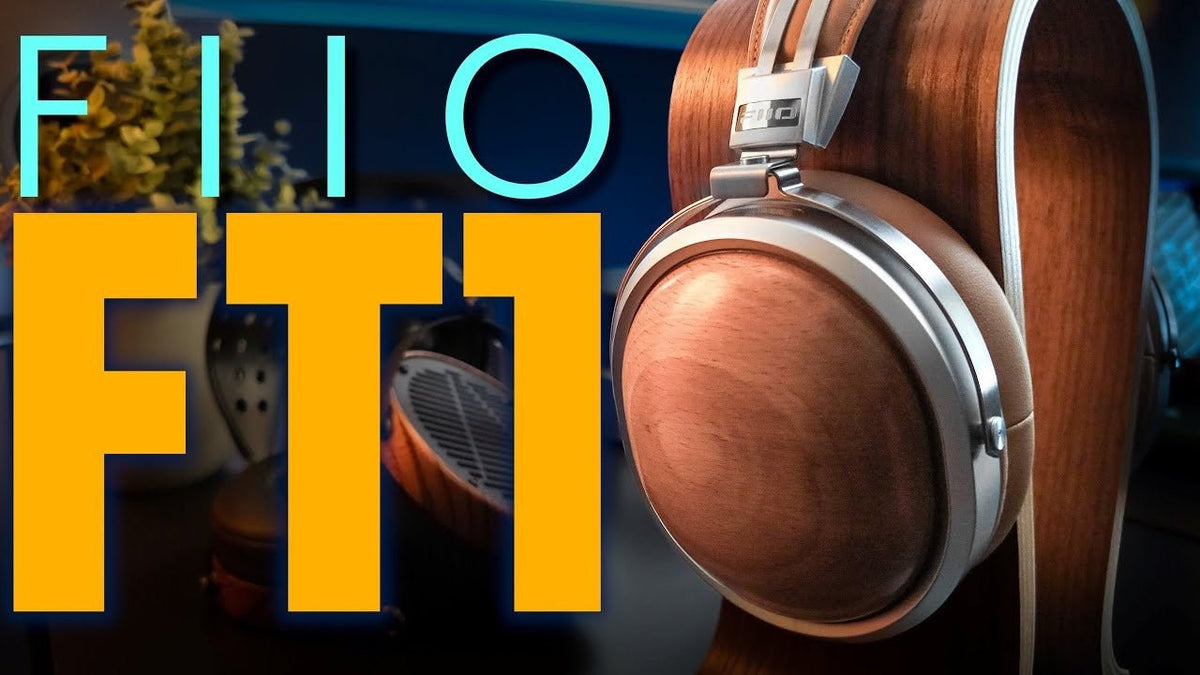
FiiO FT1 and FT1 Pro are not a simple standard-versus-Pro ladder. The FT1 is a closed-back dynamic headphone; the FT1 Pro is an open-back planar model. That difference changes isolation, leakage, driver behavior, and where each is practical.
Quick answer: Choose FT1 when a closed design and reduced leakage matter. Consider FT1 Pro when an open-back planar design fits a quiet listening space. Then compare drive requirements, weight, fit, and price.

The Acoustic Design Is the Biggest Difference
FiiO lists the FT1 as a closed-back headphone with a 60 mm dynamic driver, while the FT1 Pro is an open-back headphone with a 95 × 86 mm planar driver.
Isolation and Leakage Follow the Design
A closed cup is generally more practical when outside noise or sound leakage matters. An open back intentionally exchanges more sound with the room, so it is a poor fit for quiet shared spaces or microphone tracking near an open mic.
Electrical Specifications Differ
FiiO publishes 32 ohms for FT1 and 20 ohms for FT1 Pro, alongside different sensitivity figures. Do not use impedance alone to predict volume; consider sensitivity and the actual source as well.
Weight and Fit Still Matter
FiiO lists approximately 340 g for FT1 and 374 g for FT1 Pro excluding cable. Pad shape and headband fit can matter more than that difference for long sessions.
FAQ
Is FT1 Pro simply a better FT1?
No. It changes both driver type and acoustic design, so it serves a different listening environment rather than being a universal upgrade.
Which one isolates better?
The FT1’s closed-back design is the relevant choice when isolation and reduced leakage matter.
Do I need an amplifier?
That depends on source output, listening level, and the full impedance/sensitivity specification. Check your source rather than judging from impedance alone.

