
A CB microphone is not universal. Two radios can both use multi-pin microphone plugs while assigning push-to-talk, audio, ground and other functions differently. Start with the exact radio model and wiring diagram, then compare microphone type, noise rejection and ergonomics.
Quick answer: Match the connector and pinout first. Then choose between a standard dynamic microphone, a noise-cancelling design for high-background-noise environments, or a powered/amplified microphone only when the radio and operating setup support it.

Connector Shape Is Not Enough
| Check | Why it matters |
|---|---|
| Radio model | Determines connector, pinout and supported controls |
| Pin count and wiring | Similar plugs can use different audio/PTT assignments |
| Microphone type | Dynamic, electret or powered designs can have different electrical requirements |
| Push-to-talk switch | Must key the transmitter correctly and return reliably |
| Cord and strain relief | Important in vehicles where the microphone is handled repeatedly |
Noise-Cancelling CB Microphones
In a loud cab, a noise-cancelling microphone can improve intelligibility by emphasizing speech close to the microphone while reducing some surrounding sound. Placement matters: these microphones generally work best when kept consistently close to the mouth rather than held at arm’s length.
Powered or Amplified Microphones
A powered microphone can increase microphone output or add controls, but more level does not guarantee clearer transmitted audio. Excessive microphone gain can create distortion or overdrive the radio’s audio stages. Use the radio and microphone manufacturer’s setup guidance.
Wireless CB Microphones Need Radio-Specific Verification
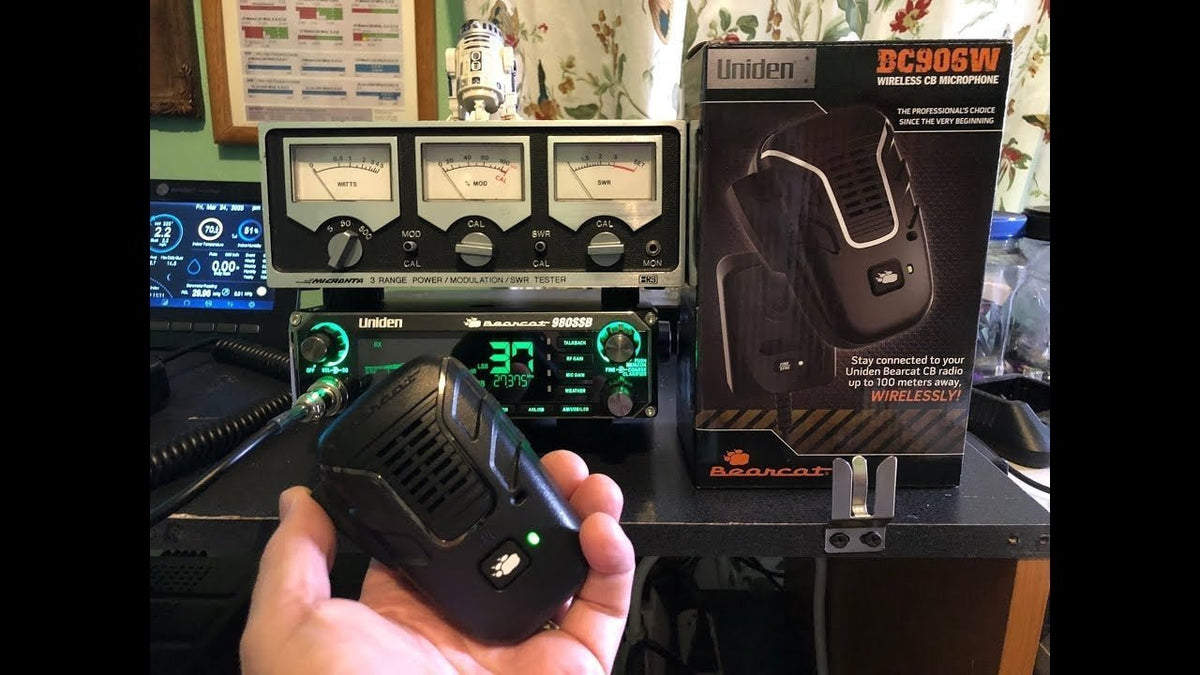
“Wireless CB microphone” can describe an accessory system that connects to a particular radio rather than a universal CB standard. Confirm the base/adapter, charging, range, push-to-talk behavior and exact radio compatibility before buying.
CB Radio Context
The FCC describes the CB Radio Service as low-power mobile and base stations operating in the 27 MHz band. A replacement microphone does not change the radio service rules or authorize modifications outside the radio’s permitted operation. See the FCC CB Radio Service discussion.
Practical Buying Checklist
- Exact CB radio brand and model
- Microphone connector and pinout
- Dynamic/electret/powered microphone requirements
- Noise level inside the vehicle
- PTT switch feel with the hand or gloves you use
- Cord length, coil tension and strain relief
- Availability of replacement cords or plugs
CB Microphone FAQ
Will any 4-pin CB microphone work on any 4-pin radio?
No. Pin assignments can differ even when the connector has the same number of pins. Match the exact radio wiring.
Is a noise-cancelling CB mic useful for truck drivers?
It can help in a noisy cab when the microphone is used at the intended mouth distance. Actual improvement depends on the mic, radio and environment.
Does an amplified mic increase radio transmit power?
No. It changes the microphone audio level; it does not by itself change the transmitter’s legal RF output power.
Can I use a wireless mic with my CB?
Only when a wireless microphone system explicitly supports the exact radio or provides a correctly wired compatible interface.


1 comment
Can u recommend a 4 pin microphone for a harvard good buddy cb. Thanks