
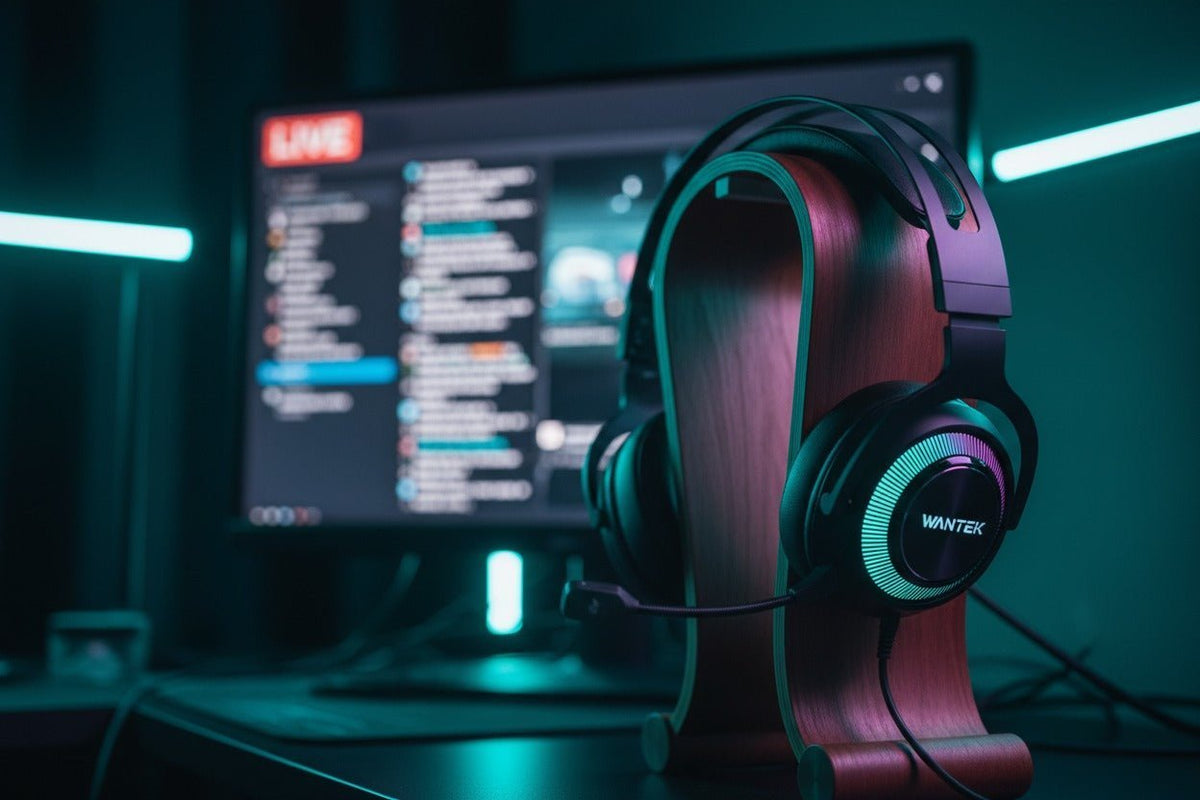
Una buona cuffia per lo streaming deve risolvere due problemi contemporaneamente: permetterti di ascoltare chiaramente il gioco o il mix di monitoraggio e mantenere la tua voce intelligibile senza aggiungere un microfono da tavolo separato. Per la maggior parte degli streamer, il confronto più utile non è "cablato contro wireless" in isolamento. Si tratta di evidenze sul microfono, percorso di connessione, rumore ambientale, comfort, controlli e di come la cuffia si adatta al resto del setup di streaming.
Risposta rapida: Le Audio-Technica ATH-M50xSTS-USB sono l'opzione cablata più specifica per lo streaming in questa breve lista. Le Razer BlackShark V2 Pro (2023) sono una valida alternativa wireless se desideri un microfono a braccetto con elogi indipendenti pubblicati e un percorso dedicato a 2,4 GHz per PC/PlayStation. Le Beyerdynamic MMX 300 Pro sono una scelta cablata chiusa con microfono a condensatore cardioide, mentre le Drop + EPOS PC38X meritano di essere prese in considerazione per una stanza silenziosa se preferisci un design aperto.
Nota sulle evidenze: Wantek non ha condotto test di laboratorio comparativi su queste cuffie per questo articolo. I confronti seguenti si basano sulla documentazione attuale del produttore e sulle valutazioni dei microfoni pubblicate da recensori indipendenti.

Migliori cuffie con buoni microfoni per lo streaming: confronto rapido
| Cuffie | Connessione | Perché prenderle in considerazione | Limitazione principale |
|---|---|---|---|
| Audio-Technica ATH-M50xSTS-USB | USB-A, con adattatore USB-C | Cuffie per lo streaming appositamente progettate con microfono a braccetto a condensatore cardioide, sidetone e supporto USB fino a 24-bit/96 kHz | Solo cablate; nessun controllo del volume principale sulle cuffie |
| Razer BlackShark V2 Pro (2023) | Wireless 2,4 GHz o Bluetooth 5.2 | Ottimi risultati del microfono pubblicati, microfono a braccetto rimovibile e fino a 70 ore di durata della batteria dichiarata dal produttore | Nessun percorso audio analogico da 3,5 mm; verificare la modalità wireless prevista per ogni dispositivo |
| Beyerdynamic MMX 300 Pro | Cablato da 3,5 mm | Design chiuso con microfono a condensatore cardioide e componenti soggetti a usura sostituibili | Solo cablate, prezzo premium e nessun software di supporto |
| Drop + EPOS PC38X | Cablato da 3,5 mm | Cuffie aperte con solide prestazioni microfoniche pubblicate e percorsi via cavo separati per PC/console | Il design aperto offre scarso isolamento dal rumore ambientale |
1. Audio-Technica ATH-M50xSTS-USB: pensate per lo streaming
Le ATH-M50xSTS-USB sono la scelta più ovvia quando lo streaming è l'attività principale piuttosto che un extra occasionale. Audio-Technica documenta un design chiuso, un microfono a braccetto a condensatore back-electret con diagramma polare unidirezionale e supporto USB per 44,1, 48, 88,2 e 96 kHz a 16 o 24 bit di profondità. La versione USB include anche un adattatore da USB-A a USB-C. Consulta il manuale Audio-Technica ATH-M50xSTS-USB per le specifiche attuali.
I test indipendenti sono il motivo per cui questo modello si trova in cima a una breve lista incentrata sullo streaming. PC Gamer identifica attualmente le ATH-M50xSTS StreamSet come la sua scelta per il microfono delle cuffie da gaming, mentre Expert Reviews ha riscontrato che il microfono è chiaro, ben isolato dai comuni rumori di fondo domestici ed efficace per il monitoraggio. Ciò non le rende equivalenti a qualsiasi microfono standalone, ma conferisce al modello prove più solide rispetto a una cuffia scelta solo in base alle specifiche.
Controllo versione: L'ATH-M50xSTS analogica e l'ATH-M50xSTS-USB non hanno la stessa configurazione di connessione. La versione analogica utilizza un jack per cuffie più un connettore microfonico XLR separato e richiede un ingresso microfonico compatibile con alimentazione phantom. Scegli la versione in base alla tua interfaccia, non solo al nome del modello.
2. Razer BlackShark V2 Pro (2023): wireless senza considerare il microfono come un ripensamento
Per gli streamer che vogliono allontanarsi dalla scrivania senza rinunciare a un microfono a braccetto integrato, le BlackShark V2 Pro (2023) sono un pratico confronto wireless. Razer documenta wireless a 2,4 GHz, Bluetooth 5.2, microfono unidirezionale rimovibile, ricarica USB-C e fino a 70 ore di durata della batteria. L'attuale pagina di supporto Razer distingue anche il modello 2023 dalla vecchia generazione Micro-USB.
Tom's Hardware continua a distinguere il modello 2023 per prestazioni del microfono delle cuffie insolitamente forti nella sua attuale copertura delle cuffie da gaming wireless. La principale precauzione di setup è il comportamento della connessione: questa cuffia non ha una connessione audio analogica da 3,5 mm e non si dovrebbe dare per scontato che il Bluetooth si comporti come il percorso dedicato a 2,4 GHz per ogni flusso di lavoro di gaming o streaming.
Se stai confrontando questo modello principalmente per la chat vocale durante il gioco piuttosto che per la produzione live, la guida di Wantek alle cuffie da gaming con buoni microfoni approfondisce i campioni microfonici, il comportamento in ambiente e le problematiche segnalate dai proprietari.
3. Beyerdynamic MMX 300 Pro: opzione cablata chiusa con microfono a braccetto a condensatore
Le MMX 300 Pro sono un'alternativa cablata e chiusa per gli streamer che non necessitano di mobilità wireless. Beyerdynamic specifica un microfono a condensatore back-electret cardioide, una connessione cablata da 3,5 mm e cuscinetti, parti dell'archetto e cavo sostituibili. La pagina prodotto del produttore elenca anche la compatibilità con console tramite jack da 3,5 mm.
Le recensioni del microfono non sono perfettamente unanimi, il che rappresenta un contesto utile. SoundGuys descrive il microfono come eccezionalmente chiaro e naturale nei suoi test, mentre Tom's Hardware lo valuta sopra la media ma evita di definirlo di qualità broadcast. La conclusione sensata è che le MMX 300 Pro hanno evidenze microfoniche credibili, ma dovresti comunque ascoltare i campioni prima di pagare un premio specificamente per la qualità vocale.
4. Drop + EPOS PC38X: solide evidenze microfoniche per stanze silenziose
Le PC38X adottano un approccio diverso perché sono cuffie aperte. La documentazione EPOS le descrive come un design aperto cablato con un cavo PC da 3,5 mm a due jack e un cavo console da 3,5 mm a jack singolo. Anche SoundGuys pubblica campioni microfonici e valuta il microfono con un punteggio alto. Puoi confrontare i dettagli di connessione nella scheda tecnica delle EPOS PC38X.
Il compromesso è l'isolamento ambientale. I padiglioni aperti lasciano entrare intenzionalmente il suono esterno e permettono a parte dell'audio delle cuffie di uscire. Questo può far sentire il suono più spazioso e traspirante in una stanza silenziosa, ma è un'impostazione predefinita scarsa per uno spazio condiviso, un ambiente PC rumoroso o una stanza in cui stai già combattendo contro il rumore di fondo.

Cuffie cablate vs. wireless per lo streaming
| Decisione | Cablata | Wireless |
|---|---|---|
| Gestione batteria | Nessuna necessità di ricarica | Autonomia e ricarica diventano parte del flusso di lavoro |
| Mobilità | Il cavo ti mantiene vicino alla scrivania o all'interfaccia | Migliore per stare in piedi, muoversi fuori dall'inquadratura o cambiare posizione |
| Controlli connessione | Verifica USB, jack TRRS 3,5 mm, jack PC sdoppiati o requisiti XLR/interfaccia | Verifica ricevitore 2,4 GHz, comportamento Bluetooth, supporto piattaforma e se le modalità si alternano o si miscelano |
| Punti di rottura | Instradamento cavi, usura dei connettori e compatibilità interfaccia | Batteria, accoppiamento, firmware/software, condizioni RF e compatibilità ricevitore |
Non ridurre questa decisione a "il cablato non ha latenza" o "il Bluetooth è inutilizzabile". Il comportamento reale dipende dal dispositivo, dal trasporto, dal codec, dal sistema operativo, dal gioco, dal percorso di monitoraggio e dallo stack software. Per il gaming dal vivo, utilizza il percorso di connessione che il produttore delle cuffie intende effettivamente per quella piattaforma e verifica sia l'ingresso microfonico che l'uscita cuffie.
Cosa rende il microfono di una cuffia adatto allo streaming?
Un microfono utile per lo streaming è definito dall'intelligibilità e dalla coerenza, non da una singola specifica. L'intervallo di risposta in frequenza, la frequenza di campionamento e la profondità di bit possono descrivere parte del percorso del segnale, ma nessuno di essi prova che una cuffia rifiuterà il rumore della tastiera, eviterà il clipping o suonerà in modo naturale con la tua voce.
- Posizionamento del braccetto: Un microfono che mantiene una distanza costante dalla bocca è più facile da gestire in termini di guadagno ed è meno sensibile ai movimenti della testa rispetto a un microfono distante di un laptop o di una webcam.
- Direzionalità: I design cardioidi o unidirezionali possono ridurre la cattura da alcune direzioni, ma non sostituiscono il trattamento acustico della stanza o l'elaborazione software.
- Comportamento col rumore: Ascolta campioni registrati in più di un ambiente. Un microfono che suona bene in una stanza silenziosa potrebbe comportarsi diversamente vicino a tastiere, ventole o riflessi della stanza.
- Muto e monitoraggio: Il muto hardware e il sidetone possono essere più importanti durante una diretta rispetto a piccole differenze su una scheda tecnica.
- Percorso software: Filtri OBS, guadagno di ingresso del sistema operativo, elaborazione della chat vocale e software del produttore possono cambiare materialmente il risultato finale.
Una volta ottenute le cuffie, utilizza la stessa posizione del microfono e lo stesso livello di ingresso che userai durante lo streaming. La guida di Wantek alla configurazione del microfono delle cuffie copre in modo più dettagliato connessione, guadagno, posizionamento e controlli software.
Quando ha più senso un microfono separato
Una cuffia è attraente perché il microfono si muove con la tua testa e mantiene la scrivania semplice. Un microfono USB o XLR separato ha più senso quando desideri percorsi di aggiornamento indipendenti, più controlli fisici, diagrammi polari diversi o un microfono che possa rimanere nella stessa posizione mentre cambi cuffie.
Se possiedi già delle cuffie che ti piacciono, confronta quella strada prima di sostituire tutto. La guida di Wantek ai microfoni PC per gaming e streaming copre le opzioni standalone e i compromessi tra USB e XLR.
Lista di controllo per il setup delle cuffie da streaming
Conferma l'esatto percorso di connessione
Identifica se la cuffia utilizza USB, 3,5 mm, XLR più un'interfaccia, un ricevitore 2,4 GHz, Bluetooth o più di una modalità. Conferma che il percorso selezionato trasporti sia la riproduzione che l'ingresso microfonico.
Posiziona il braccetto in modo coerente
Posiziona il microfono vicino al lato della bocca anziché direttamente davanti alle labbra, quindi mantieni quella posizione costante mentre imposti il guadagno in ingresso.
Registra un campione locale prima di andare live
Verifica il parlato normale, reazioni più forti, rumore della tastiera e silenzio. Ascolta per rilevare clipping, pumping, fruscio, eccessivo suono ambientale e volume instabile.
Aggiungi elaborazione solo quando risolve un problema
Soppressione del rumore, gating, compressione e limitazione possono aiutare, ma impostazioni aggressive possono far sembrare il parlato innaturale o troncare parole sussurrate. Cambia un controllo alla volta e registra nuovamente.
Quali cuffie per lo streaming dovresti scegliere?
Scegli le ATH-M50xSTS-USB quando il design del microfono specifico per lo streaming conta più della libertà wireless. Scegli le BlackShark V2 Pro (2023) quando hai bisogno di cuffie wireless e desideri evidenze microfoniche pubblicate insolitamente forti. Scegli le MMX 300 Pro se preferisci un design cablato chiuso di qualità superiore e scegli le PC38X se desideri cuffie aperte e la tua stanza è abbastanza silenziosa.
Nessuna di queste scelte elimina la necessità di testare la tua catena di segnale reale. La tua stanza, la posizione del microfono, il guadagno in ingresso, l'elaborazione e la modalità di connessione possono cambiare il risultato più di una specifica principale.
FAQ cuffie per lo streaming
Una cuffia cablata è sempre meglio per lo streaming?
No. Le cuffie cablate evitano la ricarica e l'accoppiamento wireless, mentre i modelli wireless aggiungono mobilità. Scegli in base alle evidenze microfoniche, al supporto della connessione, alle condizioni della stanza e a quanto movimento richiede il tuo setup di streaming.
Ho bisogno di un microfono a 48 kHz per lo streaming?
Non usare la sola frequenza di campionamento come soglia di qualità. Il design del microfono, il posizionamento, il guadagno, la gestione del rumore, l'elaborazione e le impostazioni della piattaforma hanno un effetto pratico maggiore sull'intelligibilità vocale.
Il Bluetooth è abbastanza buono per una cuffia da streaming?
A volte, ma il comportamento varia a seconda delle cuffie, del codec, del sistema operativo e della modalità microfono. Per gli streaming di gioco, verifica il percorso di connessione a bassa latenza previsto dal produttore invece di dare per scontato che ogni modalità Bluetooth si comporti allo stesso modo.
Il microfono di una cuffia è meglio di un microfono USB separato?
Non universalmente. Una cuffia mantiene la posizione del microfono coerente e la scrivania semplice. Un microfono separato ti offre più opzioni di aggiornamento indipendenti e può offrire un maggiore controllo sul setup di registrazione.
Confronta le cuffie da gaming Wantek per connessione
Vuoi un'opzione Wantek o Voistek dopo aver confrontato le prove sopra riportate? Inizia con la connessione di cui hai bisogno, quindi verifica i controlli del microfono e il supporto della piattaforma per il modello esatto.

