
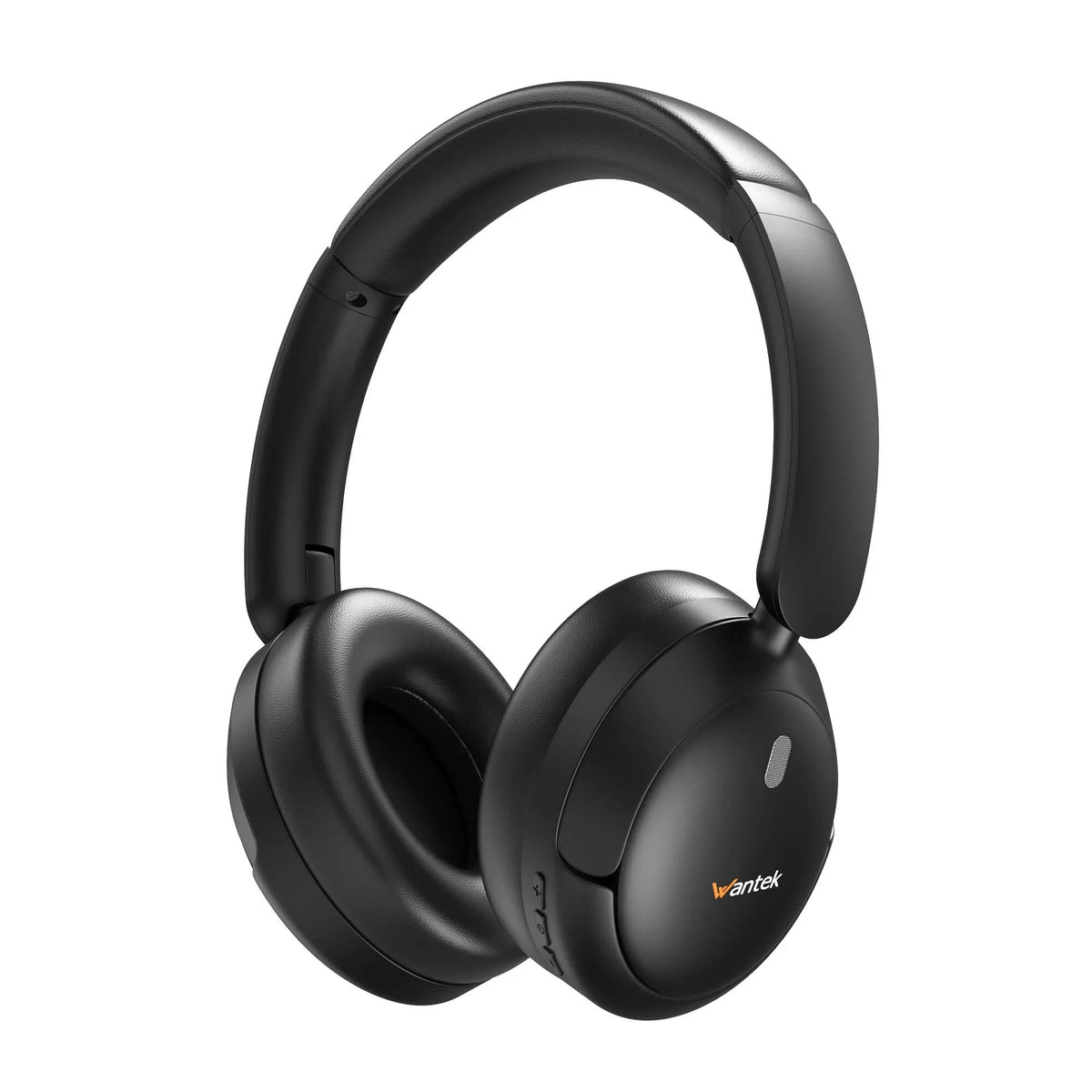
Durable wireless headphones should withstand ordinary daily use without becoming difficult to maintain. Before buying, check the hinges and headband, battery service options, replacement ear pads, charging connection, and protection suited to where you listen. A long battery-life claim or a metal accent alone cannot tell you how long a headset will last.
Quick answer: For commuting, prioritize secure construction, a protective case, and practical replacement parts. For office calls, check the microphone arm, adjustment points, and charging setup. For exercise or wet conditions, look for a documented water-resistance rating that covers your intended use. Whatever the category, confirm the battery and repair support for the exact model.
What Makes Wireless Headphones Durable?
Durability has several dimensions: surviving normal handling, resisting the environment, and remaining usable when a wear part or battery deteriorates. A pair can have a sturdy-looking headband but still be difficult to repair if its ear pads or battery cannot be replaced.
The European Commission's Joint Research Centre identifies spare-parts availability, repair information, fasteners, and access to components as important repairability factors. These principles are useful when shopping for headphones, although the EU's smartphone-and-tablet repairability label is not a durability certification for the headphones in this guide. See the JRC explanation of repairability.
Durable Wireless Headphones: The Buying Checklist
| Area | What to check |
|---|---|
| Headband and hinges | Look for consistent adjustment, controlled earcup movement, and clearly documented construction. A material claim is not a drop-test result. |
| Ear pads and cushioning | Find replacement parts sold for the exact model, and check whether replacement instructions are available. |
| Battery | Separate advertised listening hours from battery lifespan. Ask whether a battery replacement or authorized service is available. |
| Charging connection | Check connector accessibility and cable fit. Avoid designs that require a fragile or hard-to-source proprietary accessory unless support is clear. |
| Water and dust | Look for a stated IP rating and the manufacturer's precise exposure limits. An unrated headset should not be treated as sweatproof or waterproof. |
| Service and warranty | Verify the warranty terms, spare-parts availability, and whether service is offered in your location. |
Hinges, Yokes, and Headbands
Hinges and sliders move every time you put headphones on or adjust the fit. Check whether the earcups rotate smoothly within their intended range and whether the sliders hold their position. Avoid forcing a folding joint beyond the manufacturer's stated travel. A reinforced or metal part can help a design, but its presence does not establish total product reliability.

Replaceable Ear Pads Matter
Ear pads are exposed to skin oils, moisture, and repeated compression. If replacement pads are available for your exact model, worn cushions need not end the headset's useful life. Confirm part compatibility rather than assuming pads from a visually similar model will fit.
Water Resistance Is Different From Impact Resistance
An IP rating describes specified protection against dust and water ingress; it does not certify resistance to dropping, twisting, or crushed hinges. The first IP digit addresses solid objects or dust, while the second addresses water. An X means that category is not specified by the rating.
For gym use, check the stated sweat or splash protection and the manufacturer's care instructions. For office and travel headphones with no documented IP rating, keep them away from rain and splashes. Do not infer an IP rating from marketing words such as “rugged” or “outdoor.”
Battery Runtime vs. Battery Lifespan
Runtime is how long headphones operate between charges; lifespan concerns how much capacity a rechargeable battery retains over time. They are not interchangeable. Active noise cancellation, volume, call use, and connection conditions may affect the hours you get from one charge.
Heat can accelerate battery aging. Apple's battery care guidance explains why avoiding high temperatures helps preserve lithium-ion battery capacity. The precise storage and charging instructions for your headphones should come from their own manufacturer.
Ask whether replacement-battery service is offered and whether any documented wired listening mode still works when the battery is depleted. A cable in the box does not, by itself, establish battery-free operation.
Wantek Wireless Headphones to Compare by Use Case
The following are current Wantek options with documented listening or communication features. They are not ranked or certified for toughness: the reviewed product listings do not establish drop-test performance, hinge-cycle ratings, or user-replaceable batteries for these models.
| Model and use | Documented features and durability questions |
|---|---|
|
T3 ANC Music and travel |
Over-ear Bluetooth 5.3 headphones with ANC, transparency mode, and up to 60 hours of stated battery life. Confirm pad and battery service options; the runtime claim does not show long-term durability. |
|
WK882BT Work calls |
Dual-ear Bluetooth headset with boom mic, one-key mute, and up to 45 hours of stated battery life. Dock and no-dock variants are listed. Check microphone-joint care and replacement-part availability. |
|
186BTC Multi-device work |
Bluetooth multipoint positioning with an adjustable boom mic; dock options vary by variant. Verify the correct configuration and any replacement-parts or service options before buying. |

For a broader shortlist organized by wearing style and connection, use the Wantek wireless headset collection. Always check the exact model page for current specifications and included accessories.
How to Inspect a Pair Before You Commit
- Confirm the intended environment. Desk use, daily commuting, and sweaty workouts expose headphones to different stresses.
- Inspect moving parts. Adjust the headband normally and rotate earcups only as designed; look for obvious looseness or binding.
- Check support documentation. Locate ear-pad replacements, battery service information, warranty exclusions, and product care instructions.
- Verify connection options. Confirm Bluetooth device compatibility, charging accessories, and any claimed wired fallback for the exact model.
- Protect the headset in transit. Use a properly fitting case, and do not pack heavy objects against the earcups or hinges.
Daily Habits That Can Help Headphones Last
- Carry headphones in a suitable case rather than loose under heavy items in a bag.
- Clean pads and contact surfaces using the manufacturer's recommended method, and let moisture dry before storage.
- Hold the charging connector rather than pulling on the cable; avoid unnecessary strain at the port.
- Keep headphones out of hot vehicles and direct prolonged heat exposure.
- Replace compatible worn cushions or accessories when replacement is supported instead of improvising repairs.
Durable Wireless Headphones FAQs
Are metal headphones always more durable?
No. Structural design, joints, assembly, and how the headset is used also matter. Metal components alone cannot predict hinge life, drop survival, or battery serviceability.
Does a longer battery rating mean longer product life?
No. Advertised hours describe operation per charge under particular conditions. Battery aging and the ability to replace or service the battery are separate questions.
Can I use wireless over-ear headphones in the rain?
Only within the manufacturer's documented water-resistance limits. If the model has no verified rating or wet-use instructions, avoid rain and moisture exposure rather than assuming protection.
What should I check first when buying a long-lasting headset?
Start with hinges, replacement ear pads, battery service, and warranty support for the exact model. Then check whether its stated water protection and connection features fit your routine.
Compare Wireless Headsets for Your Routine
Choose by work calls, music, battery needs, and connection type. Confirm repair and replacement options before ordering.

