
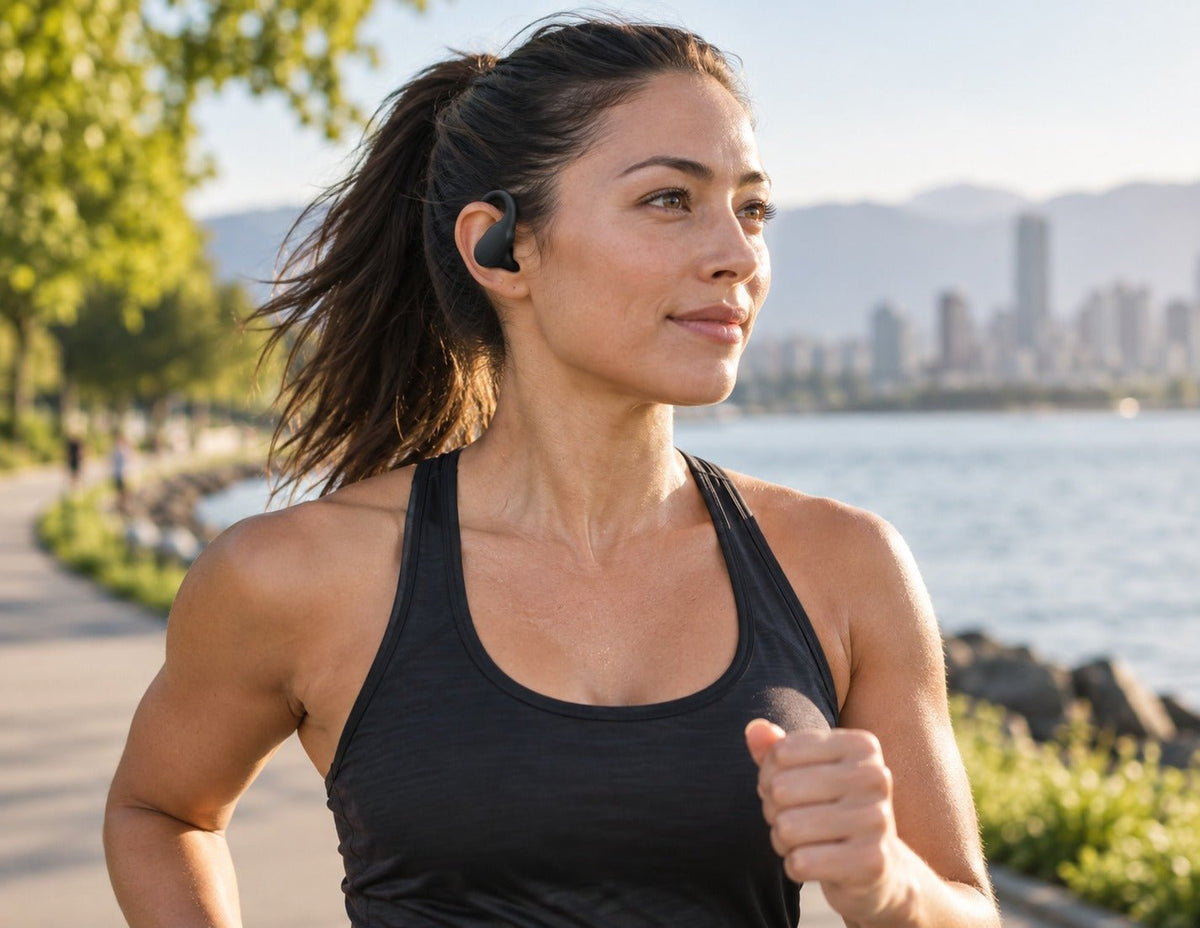
Le cuffie wireless con gancio auricolare risolvono un problema specifico: mantenere ogni auricolare saldamente in posizione quando la vestibilità standard dei modelli true-wireless risulta inaffidabile. La scelta migliore dipende dal fatto che tu preferisca un design in-ear sigillato per l'isolamento, un design open-ear per una maggiore consapevolezza dell'ambiente circostante, o funzionalità extra come la cancellazione attiva del rumore, la connessione multipoint e una maggiore durata della batteria.
Risposta rapida: In questo confronto basato sulla documentazione, le JLab GO Sport+ rappresentano l'opzione con gancio auricolare più economica, le soundcore Sport X20 puntano su ganci regolabili e ANC, le JBL Endurance Peak 4 combinano il gancio auricolare con protezione IP68 e connessione multipoint, le Shokz OpenFit Air 2 mantengono il canale uditivo aperto, mentre le Powerbeats Pro 2 aggiungono ANC premium, modalità Trasparenza e rilevamento della frequenza cardiaca durante l'allenamento.
Questa non è una classifica basata su test pratici di laboratorio Wantek. I dettagli dei prodotti riportati di seguito si basano sull'attuale documentazione dei produttori e sulle pagine prodotto statunitensi verificate il 20 settembre 2026. Prezzi e disponibilità possono variare.
Cosa si intende per cuffie con gancio auricolare?
Un vero auricolare con gancio utilizza un supporto che avvolge l'orecchio esterno per aggiungere stabilità meccanica. Questo è diverso da una piccola aletta in-ear, da un auricolare clip-on che si aggancia o si appoggia intorno all'orecchio, o da un archetto a conduzione ossea che passa dietro la nuca.
La distinzione è importante perché questi design risolvono problemi diversi. Un modello in-ear sigillato con gancio può offrire un isolamento passivo più forte e può includere l'ANC. Un modello open-ear con gancio lascia il canale uditivo libero, rendendo più facile sentire i suoni circostanti, ma permettendo anche a una maggiore quantità di rumore esterno di interferire con l'audio.

Come scegliere le cuffie wireless con gancio auricolare
1. Scegli tra design in-ear sigillato e open-ear
Scegli un design in-ear sigillato se desideri un isolamento passivo più forte, una risposta in frequenza alle basse più piena o l'ANC per allenamenti al chiuso e palestre rumorose. Scegli un design open-ear se preferisci mantenere il canale uditivo libero e ascoltare maggiormente ciò che ti circonda durante passeggiate, corse o per l'uso quotidiano prolungato.
2. Controlla la regolazione del gancio, non solo la parola "sicuro"
La vestibilità del gancio auricolare è molto soggettiva. I ganci regolabili o flessibili possono adattarsi a diverse forme dell'orecchio, mentre un gancio fisso può risultare naturale o scomodo a seconda della tua anatomia. Anche occhiali, cinturini per casco, cappelli e capelli lunghi possono competere per lo spazio dietro l'orecchio.
3. Leggi l'esatta portata della resistenza all'acqua
Non considerare ogni grado di protezione IP come intercambiabile. Un prodotto resistente al sudore e agli schizzi non è automaticamente destinato all'immersione, e la custodia di ricarica potrebbe avere un grado di protezione diverso rispetto agli auricolari. Segui gli esatti limiti d'uso del produttore per lo specifico modello.

4. Confronta la durata della singola ricarica separatamente dai totali della custodia
Un valore di "35 ore" o "48 ore" include spesso le ricariche fornite dalla custodia. Se hai bisogno di un paio di auricolari per una corsa lunga, un turno di lavoro o una giornata di viaggio, confronta innanzitutto l'autonomia con una singola carica, utilizzando poi il totale della custodia come secondo parametro.
5. Abbina il controllo del rumore e la connettività ai luoghi in cui li utilizzerai
L'ANC può essere utile per tapis roulant, palestre e spostamenti, mentre la modalità trasparenza o l'ascolto open-ear possono essere più pratici quando hai bisogno di percepire i suoni ambientali. La connessione multipoint è utile se passi regolarmente da un telefono a un altro dispositivo Bluetooth.
Confronto delle cuffie wireless con gancio auricolare
| Modello | Vestibilità e prezzo | Punti di forza verificati |
|---|---|---|
| JLab GO Sport+ | Sport in-ear sigillato con gancio 29,99 $ |
IP55; 9+ ore per auricolare e 35+ totali; modalità Be Aware; supporto app. |
| soundcore Sport X20 | In-ear sigillato con gancio regolabile 79,99 $ |
Ganci con rotazione fino a ±30° e quattro posizioni di estensione; ANC; fino a 12 ore per ricarica e 48 con custodia in modalità normale, o 7/28 ore con ANC; protezione SweatGuard. |
| JBL Endurance Peak 4 | In-ear sigillato con gancio in silicone liquido 89,95 $ (prezzo in offerta osservato) |
Auricolari IP68; cancellazione del rumore adattiva; multipoint; fino a 12 ore con ANC disattivata e 48 totali. |
| Shokz OpenFit Air 2 | Open-ear con gancio flessibile 129,95 $ |
7,2 g per auricolare; auricolari IP55; 8 ore per ricarica e 36 totali; connessione multipoint. |
| Powerbeats Pro 2 | In-ear sigillato con gancio in nichel-titanio 249,99 $ |
ANC e modalità Trasparenza; IPX4; fino a 10/45 ore in modalità Adaptive EQ o 8/36 ore con ANC o Trasparenza; rilevamento della frequenza cardiaca per l'allenamento. |
JLab GO Sport+: opzione sigillata con gancio più economica
Le GO Sport+ rappresentano la scelta economica e lineare in questo confronto tra cinque modelli. JLab documenta un gancio sportivo più piccolo, una classificazione IP55, più di nove ore per auricolare, più di 35 ore totali con custodia e una modalità "Be Aware" che miscela i suoni esterni.
Non punta allo stesso set di funzionalità dei modelli ANC descritti di seguito. Il suo valore risiede nella combinazione di un vero gancio sopra l'orecchio, ascolto ambientale base, controllo tramite app e un prezzo ufficiale inferiore ai 30 $ al momento della verifica.
soundcore Sport X20: gancio regolabile e ANC
Le Sport X20 offrono una maggiore configurabilità intorno all'orecchio: soundcore dichiara che il gancio può ruotare fino a 30 gradi in entrambe le direzioni e offre quattro posizioni di estensione. Aggiunge inoltre l'ANC. soundcore elenca fino a 12 ore con una singola carica e 48 ore con la custodia in modalità normale, o 7 ore e 28 ore con ANC nelle condizioni di test dichiarate dal produttore.
Si tratta di un pratico passo in avanti se la regolabilità del gancio e la riduzione del rumore contano più del mantenimento del canale uditivo aperto.
JBL Endurance Peak 4: protezione documentata più forte e multipoint
Le attuali Endurance Peak 4 di JBL utilizzano un gancio in silicone liquido con filo a memoria di forma e design TwistLock. Gli auricolari hanno una classificazione IP68, mentre la custodia di ricarica ha una classificazione separata IPX2. JBL documenta anche la cancellazione del rumore adattiva, Smart Ambient, multipoint e fino a 12 ore di riproduzione con ANC disattivata.
Questa combinazione le rende l'opzione sportiva sigillata più ricca di funzionalità in questo confronto, se dai priorità a un alto grado IP dell'auricolare e alla possibilità di passare da un dispositivo Bluetooth all'altro.
Shokz OpenFit Air 2: gancio open-ear per la consapevolezza ambientale
Le OpenFit Air 2 adottano un approccio diverso. L'altoparlante si posiziona all'esterno del canale uditivo, il gancio avvolge l'orecchio e ogni auricolare pesa 7,2 g. Shokz indica IP55 per gli auricolari, fino a otto ore con una ricarica, 36 ore con la custodia, comandi sensibili alla pressione e connessione multipoint.
Scegli questo fattore di forma quando mantenere il canale uditivo aperto è più importante che isolarsi dal rumore esterno. In ambienti molto rumorosi, tuttavia, l'audio open-ear ha meno isolamento su cui fare affidamento.
Powerbeats Pro 2: gancio sigillato premium con ANC
Le Powerbeats Pro 2 sono l'opzione di fascia premium in questo confronto. Beats documenta ganci auricolari rinforzati in nichel-titanio, resistenza al sudore e all'acqua IPX4, ANC, modalità Trasparenza, fino a 10 ore per ricarica e 45 ore con la custodia in modalità Adaptive EQ, o fino a 8/36 ore con ANC o Trasparenza, oltre al monitoraggio della frequenza cardiaca per l'allenamento.
Il motivo principale per spendere di più è il pacchetto completo di funzionalità, non solo il gancio auricolare in sé. Se non hai bisogno di ANC, rilevamento biometrico per l'allenamento o del set di funzionalità Beats/Apple più ampio, un modello con gancio più economico potrebbe soddisfare i requisiti fondamentali di vestibilità.
Design open-ear vs in-ear sigillato con gancio
I ganci auricolari descrivono come il prodotto rimane attaccato; non ti dicono se il canale uditivo sia aperto o sigillato. Questa differenza ha un impatto maggiore sull'uso quotidiano rispetto al gancio stesso.
- Gancio open-ear: più adatto agli ascoltatori che desiderano sentire più suoni ambientali ed evitare il sigillo all'interno del canale uditivo.
- Gancio in-ear sigillato: più adatto agli ascoltatori che desiderano un isolamento passivo più forte, un sigillo più costante per le basse frequenze o l'ANC.
- Modalità Trasparenza: può permettere a un modello sigillato di far passare i suoni esterni, ma si tratta comunque di un design fisico diverso dal lasciare il canale uditivo libero.

Da quali cuffie con gancio auricolare dovresti iniziare?
| Priorità | Punto di partenza | Perché |
|---|---|---|
| Spesa minima | JLab GO Sport+ | Gancio sportivo, IP55 e lunga autonomia assistita dalla custodia al prezzo ufficiale più basso di questa selezione. |
| Vestibilità regolabile + ANC | soundcore Sport X20 | I ganci rotanti ed estensibili aggiungono regolazione, mentre l'ANC punta agli spazi rumorosi. |
| Grado IP alto + multipoint | JBL Endurance Peak 4 | Auricolari IP68 più cancellazione del rumore adattiva, Smart Ambient e connessione Bluetooth a due dispositivi. |
| Ascolto open-ear | Shokz OpenFit Air 2 | Lascia libero il canale uditivo e utilizza un gancio flessibile leggero invece di un sigillo in-ear. |
| ANC premium + rilevamento allenamento | Powerbeats Pro 2 | Aggiunge ANC, modalità Trasparenza, monitoraggio della frequenza cardiaca e un gancio rinforzato sicuro. |
E le Wantek OBT030?
Le Wantek OBT030 sono meglio considerate come un'opzione clip-on open-ear adiacente, piuttosto che come un vero modello con gancio sopra l'orecchio. Wantek documenta attualmente Bluetooth 5.4, 8,5 g di peso, otto ore di autonomia degli auricolari, microfono integrato e fino a 50 ore totali con la custodia di ricarica.
Questo le rende rilevanti se il tuo obiettivo reale è una vestibilità open-ear leggera, ma non dovrebbero essere presentate come equivalenti ai design con gancio sopra l'orecchio confrontati sopra.
La vestibilità conta più dell'etichetta. Se possibile, utilizza un rivenditore che offra un pratico periodo di reso e testa i ganci con i tuoi occhiali, cappelli, cinturini per casco o altre attrezzature che indossi abitualmente.
Domande frequenti
Le cuffie con gancio sono migliori per la corsa?
Possono essere più stabili rispetto agli auricolari standard perché il gancio aggiunge un secondo punto di ritenzione. Vestibilità, resistenza al sudore, controlli e consapevolezza ambientale rimangono comunque importanti per la corsa.
Si possono indossare auricolari con gancio auricolare con gli occhiali?
Spesso sì, ma il comfort dipende da quanto spazio condividono il gancio e l'asta degli occhiali dietro l'orecchio. Le montature più spesse possono creare maggiore pressione rispetto alle stanghette sottili.
I ganci open-ear sono migliori degli auricolari sigillati con gancio?
Nessuno dei due è universalmente migliore. I design open-ear danno priorità ai suoni ambientali e a un canale non ostruito; i design sigillati danno priorità all'isolamento, alla coerenza dei bassi e all'accesso a funzionalità come l'ANC.
Gli auricolari con gancio IP68 possono essere usati per nuotare?
Non darlo per scontato solo dal numero IP. Segui gli esatti limiti di immersione del produttore, il tipo di acqua, la profondità, la durata e le istruzioni per l'uso in acqua per quello specifico modello.
Quali auricolari con gancio in questo confronto hanno l'ANC?
soundcore Sport X20, JBL Endurance Peak 4 e Powerbeats Pro 2 documentano la cancellazione attiva del rumore. JLab GO Sport+ e Shokz OpenFit Air 2 adottano approcci diversi.

