
Inside this Article:
- Understanding the Core Purpose and Evolution of Ear Hooks
- Section 1: A Deep Dive into Ear Hooks for Earbuds and Headphones
- Key Design, Material, and Entity Considerations
- Top Brands and Entities in the Earbud Hook Ecosystem
- Section 2: Mastering Ear Hooks for Glasses and Sunglasses
- Key Design, Material, and Entity Considerations
- Top Brands and Entities in the Glasses Hook Ecosystem
- How to Choose: A Detailed Decision Matrix
- The Critical Role of Anatomy and Advanced Customization
- Frequently Asked Questions (FAQ) for Search Intent Satisfaction
- Can I buy replacement ear hooks for my specific earbud model?
- Are slip-on ear hooks for glasses truly universal?
- How can I prevent pain from over-the-ear headphones? What's the ergonomic solution?
- What is the most secure fit solution for small or unusually shaped ears?
- What is the proper way to clean and maintain silicone ear hooks to ensure longevity?
- Summary and Actionable Final Recommendations
Finding the perfect ear hooks is a multi-factor process centered on activity type, device compatibility, and individual ear anatomy. For ear hooks earbuds, prioritize flexible, medical-grade silicone and over-the-ear designs for high-intensity sports. For ear hooks glasses, focus on material weight and attachment mechanisms like silicone sleeves or integrated cable temples for all-day comfort. The ultimate goal is a secure, stable, and comfortable fit that eliminates pressure points, tailored to your specific needs. Key decision factors include material science (silicone, TPU, acetate), design style (over-the-ear, fin, integrated), and brand-specific ergonomics from leaders like Bose, Oakley, and Shokz.
In our dynamic, on-the-go society, the stability of our essential personal devices and accessories is non-negotiable. Whether you are an elite athlete logging miles, a professional immersed in back-to-back virtual meetings, or someone who needs their prescription glasses to remain perfectly positioned, the unassuming ear hook is a critical piece of technology and ergonomics. This definitive guide delivers an exhaustive analysis for selecting ideal ear hooks, providing a deep dive into the two primary categories: ear hooks for earbuds and ear hooks for glasses. We will explore material science, biomechanical design principles, leading industry brands, and the pivotal anatomical considerations that culminate in a personalized, perfect fit.
Understanding the Core Purpose and Evolution of Ear Hooks

An ear hook is fundamentally a biomechanical stabilization device. Its core function is to securely anchor an object to the auricle (the external part of the ear), thereby preventing slippage, displacement, or loss during movement. This is achieved through sophisticated design that leverages the unique contours of the pinna, distributing pressure evenly across non-sensitive areas to ensure security without sacrificing comfort.
User search intent for this topic typically segments into three distinct categories, which this guide is structured to satisfy comprehensively:
- Informational Intent: Understanding types, materials, design principles, and how they interact with ear anatomy.
- Commercial Intent: Comparing specific products, brands (Jabra, Oakley, Powerbeats), and price points.
- Navigational Intent: Seeking a specific model, replacement part, or compatibility information.
The evolution of ear hooks has moved from generic, one-size-fits-all solutions to highly specialized designs informed by ergonomic research and sports medicine, reflecting a growing understanding of user-centric design.
Section 1: A Deep Dive into Ear Hooks for Earbuds and Headphones
This category is driven by the demand for unwavering stability during physical exertion and extended wear. The correct ear hooks for earbuds can transform the user experience from one of constant adjustment and frustration to seamless, immersive audio.
Key Design, Material, and Entity Considerations
-
Material Science and Composition:
- Medical-Grade Silicone: This is the gold standard for quality and safety. It is hypoallergenic, non-porous, soft, and exhibits excellent flexibility and a high-friction coefficient for a non-slip grip. Leading brands like Bose (with their StayHear Max tips) and Jabra (Elite series) utilize this material for its superior comfort and durability, especially in sport-oriented models.
- Thermoplastic Polyurethane (TPU): This polymer offers a balance between rigidity and flexibility. It is often used for the structural core of an ear hook, providing a durable "memory" shape that locks around the ear's helix. TPU is common in the designs of aftermarket brands and some OEM designs for budget-friendly headphones.
- Memory Foam with Integrated Fins: Companies like Comply pioneered this hybrid approach. The memory foam tip expands in the ear canal for a seal, while a small, flexible fin acts as a minimalist hook, tucking into the ear's anti-helix. This provides exceptional noise isolation and stability.
-
Anatomical Fit and Design Styles:
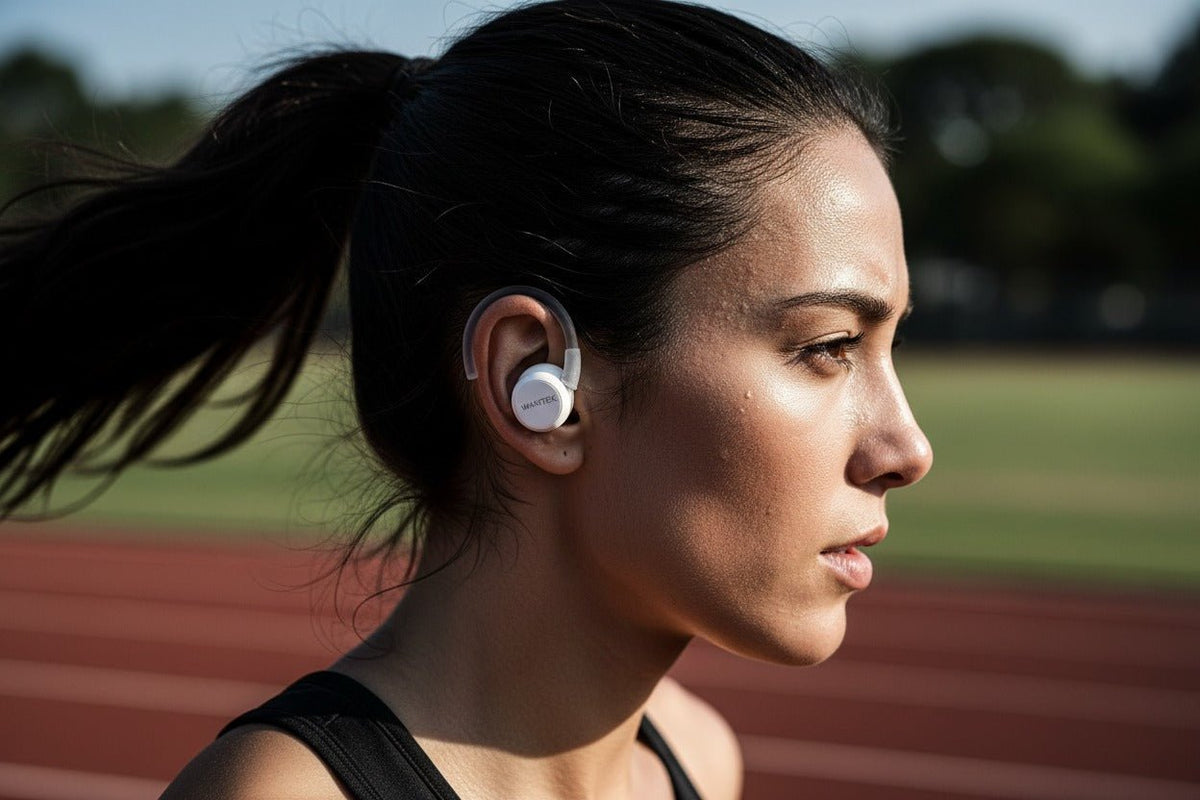
- Over-the-Ear Hooks: This design offers maximum security. A flexible sheath, often combining silicone and TPU, wraps over the top of the ear's auricle, anchoring the earbud firmly in place. This is the unequivocal choice for high-intensity activities like running, CrossFit, and basketball. The Powerbeats Pro by Beats by Dre are an iconic entity in this category.
- Ear Wings/Fin Hooks: These are lower-profile attachments that snap onto the earbud body and press gently against the inner ridge (the anti-helix) of the ear. They provide excellent stability for jogging and gym workouts without the bulk of a full over-the-ear hook. This design is a hallmark of brands like Samsung (Galaxy Buds series) and Jaybird.
- Concha Lock Hooks: This style is designed to fill the concha bowl—the largest cavity of the outer ear. By utilizing this space, it provides significant stability and is frequently employed in hearing aid designs and specialized communication earbuds for military or industrial use.
-
Compatibility, Connectivity, and Specialized Technology:
- Model-Specific Compatibility is paramount. A hook designed for Apple AirPods Pro will not fit a Sony WF-1000XM5 model due to distinct housing shapes and charging contact placements.
- Consider the underlying audio technology. For instance, bone conduction headphones from the industry leader Shokz use a unique titanium-reinforced hook that wraps around the mastoid bone behind the ear, leaving the ear canal completely open for situational awareness.
Top Brands and Entities in the Earbud Hook Ecosystem
- Beats by Dre (Powerbeats Pro): Synonymous with the durable, over-the-ear hook design for athletes.
- Bose (Sport Earbuds): Renowned for their StayHear Max tips, which combine a soft silicone tip with a wide wing for a comfortable, supremely secure fit.
- Jabra (Elite Series): Often employs a secure-fit system using a combination of interchangeable ear gels and wings.
- Shokz (OpenRun Pro): The dominant entity in bone conduction, utilizing a lightweight, neckband-style ear hook for maximum comfort during endurance activities.
- Aftermarket Specialists: Comply is the authoritative brand for memory foam tips with integrated fins, offering enhanced comfort and noise isolation for a wide range of earbud models.
Section 2: Mastering Ear Hooks for Glasses and Sunglasses
For eyewear users, ear hooks for glasses address a different but equally critical challenge: preventing slippage due to perspiration, facial movement, or incompatible frame geometry. This is especially vital for individuals with active lifestyles, narrow nose bridges, or those requiring safety glasses for occupational use.
Key Design, Material, and Entity Considerations
-
Material Composition and Durability:
- Silicone Sleeves: The most prevalent aftermarket solution. These high-friction silicone covers slip over the existing temple ends to dramatically increase grip. Their effectiveness varies based on the temple's shape and thickness.
- Acetate/Injected Molded Plastic: Frequently part of the original frame design from premium brands. These are hard plastic hooks that are sculpted to curve perfectly behind the ear. This is a signature feature of sports performance brands like Oakley and Wiley X.
- Thermoplastic Rubber (TPR): Offers a middle ground with good flexibility and a grippy surface, used in both aftermarket products and OEM designs from brands like Maui Jim for their cable temples.
-
Attachment Mechanisms and Retention Systems:
- Slip-On Silicone Sleeves: These are universal or size-based solutions, popularized by brands like EazyHook. They are a cost-effective, non-permanent fix for everyday glasses slippage.
- Integrated Hooks: Many performance-oriented brands design their frames with built-in, ergonomically curved hooks. The Ray-Ban RB4281 aviator and nearly the entire Oakley Flak Jacket series are prime examples, offering a permanent, optimized solution for stability.
- Adjustable Cable Temples: Representing the pinnacle of customizable fit, these are thin, flexible metal cores encased in a soft silicone or rubber sheath. The wearer can mold them to the exact contour of their head. This feature is a hallmark of high-end brands like Maui Jim and Persol, and is essential for optometry professionals fitting clients for all-day comfort.
-
Fit and Comfort for Extended Wear:
- The engineering challenge is to apply sufficient pressure to hold the glasses firm without inducing pain or fatigue behind the ears. The weight and balance of the frames are critical factors; heavier frames necessitate more substantial and wider hooks to distribute pressure effectively.
Top Brands and Entities in the Glasses Hook Ecosystem
- Oakley: A dominant entity in integrated, high-performance eyewear hooks, utilizing their Unobtainium material that increases grip when wet.
- Wiley X & Smith Optics: Specialize in tactical, sports, and safety sunglasses with advanced retention systems like Regulator and Lock-Tight temples.
- Maui Jim: Offers numerous models with comfortable, built-in cable temples, combining a secure fit with their renowned lens technology.
- Aftermarket Innovators: Companies like Nerdwax (with its wax-based applicator) and EazyHook provide accessible anti-slip solutions for existing eyewear.
How to Choose: A Detailed Decision Matrix
This matrix synthesizes entity relationships and user intent to provide actionable recommendations.
| Primary Use Case | Recommended Earbud Hook Type | Recommended Glasses Hook Type | Key Entities & Features to Prioritize |
|---|---|---|---|
| High-Intensity Sports (Running, HIIT) | Over-the-Ear Hook | Integrated, Wraparound Hook | Entities: Powerbeats Pro, Oakley. Features: Maximum Security, Sweat Resistance, Unobtainium/Sport Cloth Nose Pads |
| All-Day Office Wear & Commuting | Ear Wings / Fin Hooks | Silicone Slip-On Sleeves | Entities: Samsung Galaxy Buds, EazyHook. Features: Discreet Profile, All-Day Comfort, Lightweight Materials |
| Outdoor Adventures (Hiking, Cycling) | Over-the-Ear Hook | Adjustable Cable Temples | Entities: Shokz (for awareness), Maui Jim. Features: Stability with Wind/Vibration Resistance, Polarized Lenses, Secure Fit |
| Swimming & Water Sports | Specialized Waterproof Hooks | Floating Retainers (e.g., Chums) | Entities: Waterproof MP3 players, Chums. Features: Flotation, Extreme Security, 100% Waterproof Seal |
The Critical Role of Anatomy and Advanced Customization

The most overlooked variable in selecting ear hooks is the unique topography of the human ear. A design that works for one individual may fail utterly for another due to anatomical differences.
- Ear Shape Variations: Individuals with a prominent anti-helix ridge are ideal candidates for fin-style hooks. Those with a smoother concha or smaller pinna often find over-the-ear designs or concha locks necessary for stability.
- The Trial and Error Process: Reputable brands acknowledge this variability by including multiple sizes and styles of hooks and tips in the packaging. It is expected that users may need to experiment to find their perfect match.
- Custom-Molded Solutions: For the ultimate in fit, performance, and comfort—particularly in professional audiology for hearing aids or for musicians using in-ear monitors (IEMs)—custom-molded options are available. An audiologist takes an impression of the ear canal, which is used to create a perfectly anatomical shell. Leading entities in this bespoke space include 64 Audio and Ultimate Ears, serving both the professional music and high-end audio markets.
Frequently Asked Questions (FAQs) for Search Intent Satisfaction
Can I buy replacement ear hooks for my specific earbud model?
Are slip-on ear hooks for glasses truly universal?
How can I prevent pain from over-the-ear headphones? What's the ergonomic solution?
What is the most secure fit solution for small or unusually shaped ears?
What is the proper way to clean and maintain silicone ear hooks to ensure longevity?
Summary and Actionable Final Recommendations
Selecting the perfect ear hooks is a deliberate, multi-faceted process that harmonizes activity requirements, device compatibility, and the unique landscape of your personal anatomy. The journey to an optimal fit is guided by understanding the relationships between key entities—materials, designs, and brands.
For Earbuds: Match the hook style to your activity's intensity. Robust over-the-ear designs from Beats or Bose are ideal for intense exercise, while subtle ear fins from Samsung or Jaybird suffice for casual and office use.
For Glasses: Choose between convenience and permanence. Slip-on silicone sleeves from EazyHook are excellent for combating everyday slippage, while integrated, wraparound designs from Oakley or Wiley X are engineered for demanding physical activities.
Always prioritize products constructed from high-quality, hypoallergenic materials like medical-grade silicone and durable TPU. The most expensive option is not inherently the best; the ideal ear hook is the one that disappears from your awareness, providing a flawless, secure, and comfortable fit that empowers your daily life.
"Still Not Sure Which Hook Design is Right for You? Try Risk-Free."
Every ear is different—that's why Wantek offers a 30-day Perfect Fit Guarantee. Order your recommended ear hook style (over-ear, fin, or hybrid) and if it's not perfect, we'll exchange it free or give you a full refund. Zero risk, maximum comfort.
Read more
📖 Best Gaming Headset PC: Top Picks for Wired & Wireless Options
📖 Best Wireless Headphones for TV: Top Picks & Buying Guide
📖 Best PS5 Headset Guide: Setup, Compatibility & Top Picks
📖 Best Headphones for Music Wireless: Top Picks for Audiophiles
📖 Best Swimming Headphones 2025: Top Picks & Buying Guide
📖 Top 10 Cute Headphones for Everyday Use – Wireless & Stylish
📖 Best Noise Cancelling Earbuds for Airplane Travel: An In-Depth Review
📖 Discover the Best Cat Ear Headphones: Ultimate Wireless and Bluetooth
📖 Best Gym Headphones 2025 – Top Wireless & Sweatproof Picks
📖 The Best Sweat Resistant Headphones for Your Intense Workout Routine